Destinations
Mallorca Is Much Larger Than You Think, and Much More Interesting
Last updated · 7 min read
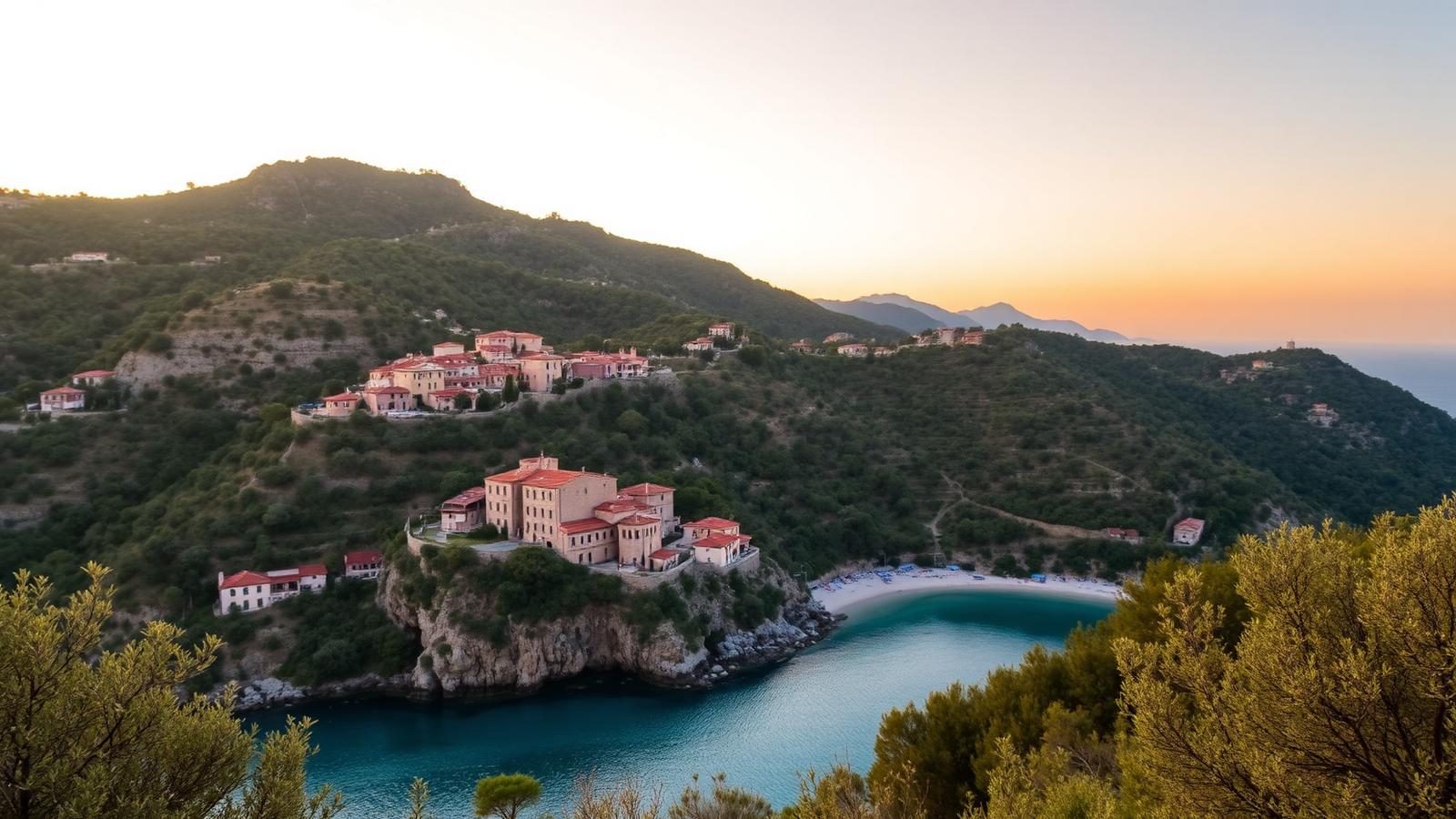
Most people's mental image of Mallorca involves a pool bar, a sunburnt British couple, and a buffet breakfast. And yes, that version of Mallorca exists. It exists emphatically, in certain coastal resort areas that have been built entirely around that experience. But the island itself is 3,600 square kilometres of varied terrain, and most of it has nothing to do with that image.
Mallorca has a mountain range (the Serra de Tramuntana, a UNESCO World Heritage Site), a network of stone villages that feel genuinely medieval, an olive and almond agricultural landscape that has barely changed in a century, a capital city with serious restaurants and a formidable cathedral, and a coastline with coves that are as beautiful as anything in the Mediterranean. Getting between those things takes about forty minutes by car.
The question isn't whether Mallorca is worth visiting. It's which Mallorca you're going to. And almost all of the better answers require a small rental car from PMI airport.
Palma: The Capital That Gets Overlooked
Palma is one of the best small cities in Spain, and it's consistently underrated in travel conversation because the island's reputation pulls focus toward the coast. This is a mistake.
The Cathedral of Santa Maria (known locally as La Seu) is a genuine architectural achievement. Gothic in form, with rose windows on an extraordinary scale, it rises above the harbour in a way that announces itself from the water. The interior has been partly redesigned by Antoni Gaudí and is worth extended time inside.
The old city around the cathedral — the narrow streets of the Arab Quarter, the Palau de l'Almudaina, the small squares with cafés that run on an unhurried schedule — offers the kind of urban texture that takes half a day to begin to appreciate. The contemporary restaurant scene in Palma, which has developed significantly over the past decade, is among the best in the Balearics.
By the way: Palma has a genuine local life that continues regardless of tourist season. Visiting in October or November gives you a city that functions normally, with restaurants full of locals and hotel rates that make the quality of the accommodation feel remarkable.
The Tramuntana: The Other Island
The Serra de Tramuntana runs along the northwest coast of Mallorca for about 90 kilometres. Its villages — Valldemossa, Deià, Sóller, Fornalutx — each have a distinct character shaped by the terraced agriculture, the stone architecture, and the position between the mountains and the sea.
Deià is the one that tends to generate the most attention. The poet Robert Graves lived here for much of his adult life and is buried in the small village cemetery. The village climbs a hillside above olive trees and looks out toward the sea. It's small, beautiful, and aware of its own beauty in a way that doesn't diminish it.
Valldemossa has the Charterhouse monastery where Frédéric Chopin and George Sand famously (and not very happily) spent a winter in 1838-1839. The building is a museum now, and the village retains an austere grandeur appropriate to its setting.
Sóller is the most functional of the Tramuntana towns — it has a weekly market, good restaurants, and the famous vintage tram that runs down to Port de Sóller on the coast. The port is one of the more pleasant on the island, protected enough to be calm and still retaining a fishing village character alongside the tourism. The vintage tram and a Sa Calobra boat trip are both genuinely worth pre-booking.
The Coves: Where the Water Colour Requires an Explanation
Mallorca's southeastern coastline, around Cala d'Or, Cala Mondrago, and the Parc Natural de Mondragó, contains coves with water colour in the turquoise range that doesn't quite match your expectations when you see it in person. The limestone bottom, the clarity of the water, and the light at certain times of day produce a colour that most people assume is filtered in photographs. It isn't.
Cala Varques and Cala Magraner on the eastern coast require a twenty to thirty minute walk from the nearest road, which is exactly enough deterrent to keep them from being overwhelmed. Bring everything you need.
Cap de Formentor at the island's northern tip combines dramatic cliffs with a beach (Platja de Formentor) that has the clear turquoise water and pine forest backdrop that defines the Mallorcan ideal. Access is restricted by car during summer — a shuttle bus runs from Port de Pollença, which is the sensible way to arrive.
Cycling: The Other Way In
Mallorca has become one of Europe's leading cycling destinations, and not without reason. The road infrastructure, the terrain variety (from flat coastal routes to serious mountain climbs), and the general acceptance of cyclists by local drivers make it a genuinely good place to ride. Professional cycling teams train here. The routes are well-documented.
If you cycle, bringing or renting a bike and spending several days covering ground that way gives you access to the island's landscape at a pace and a level of detail that a car doesn't. The Sa Calobra descent in the Tramuntana is one of the most famously beautiful cycling roads in Europe — the road winds down through the mountains to a river gorge and a beach, and climbing back up is one of those sufferings that produces the appropriate satisfaction.
Getting Around
A car is the most practical way to cover the island. Hiring a small car at Palma airport is straightforward and affordable outside peak season. The road network is good and driving is uncomplicated. Public buses (EMT) connect most towns and resorts but on less frequent schedules that make spontaneous exploration difficult.
If the dates are still flexible, comparing PMI flight prices across a wider window is usually worth the ten minutes — Mallorca has some of the most volatile fare swings in Europe.
What Mallorca Actually Is
Mallorca is a complex island that has allowed one version of itself to be its loudest representative for decades. That version exists and serves its purpose for the people who want it. However, the island's actual depth — its architecture, its landscape, its food culture, its coast — is available to anyone willing to move twenty minutes in any direction away from the resort areas.
It doesn't take much. It just takes the choice.
Good to know: The best months to visit are May, June, September, and October. July and August are hot, busy, and expensive. Late April brings almond blossoms — one of the more beautiful things the island does each year.
Keep exploring
If this story landed, you'll probably enjoy the slow guide to Capri, slowing down on the Amalfi Coast, why the beach doesn't need a plan next.
Sources & further reading
Frequently asked questions
- What's the quietest part of Mallorca?
- The Serra de Tramuntana villages on the north-west coast — Deià, Sóller, Valldemossa, Fornalutx — and the rural interior around Petra and Sineu. They feel a world away from Magaluf or Palma's high season.
- Do I need a car to explore Mallorca?
- Yes if you want to reach the Tramuntana coves and inland villages. Palma and Sóller are connected by the historic wooden train, but most of the rural island is impractical without a car or a serious cycling plan.
- When is the best time to visit Mallorca?
- May, June and September are ideal — warm enough to swim, dry enough to hike the Tramuntana, and far less crowded than July–August. April and October are great for cycling and walking but cooler for the sea.
Tools & links from this story
Some links are affiliate. They cost you nothing and keep this site running.
- Kiwi.com — flights to Palma de Mallorca (PMI) →PMI is one of Europe's busiest seasonal airports — compare.
- GetRentacar — small rental cars from PMI →Essential for the interior, the Tramuntana and the eastern coves.
- Klook — Mallorca tours and tickets →Sa Calobra boat trips, vintage tram, Caves of Drach.
- EKTA — Schengen travel insurance →Covers the Balearics under Spain.
Written by
Meric Erdinc · Founder, 1-Minute Nomad
Meric has spent the last six years moving around Southeast Asia and beyond, with a laptop, a rotating set of Wi-Fi passwords, and an opinion on every co-working space he’s ever stepped into. Rooted in Istanbul, currently working out of Bangkok — though the next flight is usually already booked. He started 1-Minute Nomad for people like him: nomads who don’t have time to read forty Reddit threads to figure out a city. Every guide here comes from a place he’s actually lived, worked or months of on-the-ground research.
Subscribe
Get the next dispatch
One email when a new city guide drops. No spam, no daily noise.