
The Stay
Airbnb vs. Coliving for Digital Nomads: The Honest Pros and Cons
Last updated · 7 min read
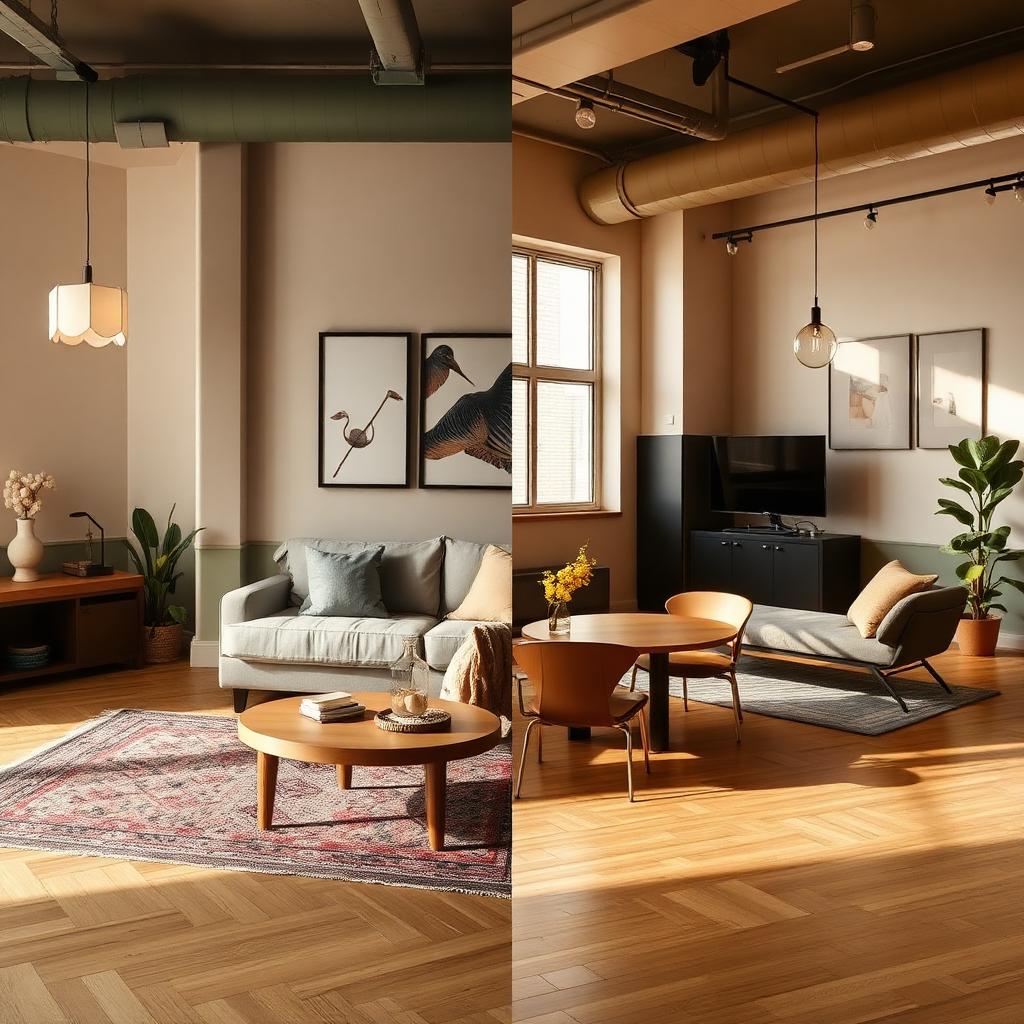
Airbnb vs. coliving is one of the first real decisions a digital nomad makes for every new city, and the wrong choice costs you two weeks of a four-week stay. This is the honest side-by-side: Airbnb vs. coliving for digital nomads, with the trade-offs people actually feel by day 10, not the ones written on the landing page.
The one-line answer
- Coliving wins for the first month in a new city, first-time nomads, and anyone whose social energy comes from other people.
- Airbnb (or direct monthly rentals) wins for stays of 2+ months, couples, deep-work seasons, and anyone who's already got a local network.
Cost
Coliving: $700–$1,800 per person per month in most nomad hubs, all-in: room, utilities, Wi-Fi, cleaning, coworking, events. Some offer private studios at $1,500–$3,000.
Airbnb: wildly variable. Short-term (under a month) is 40–80% more expensive than a direct monthly rental. A one-month Airbnb in a nomad hub runs $800–$2,500. Longer than a month, always try to negotiate off-platform (fully legal in most markets; check local rules).
Direct monthly rental (Facebook groups, local agencies): usually 25–40% cheaper than Airbnb for the same apartment. This is the real value option once you know a city.
Verdict: For 1 month in a new city, coliving and Airbnb are similar all-in once you add cleaning fees, utilities and coworking. Beyond a month, direct rentals win on cost, then Airbnb, then coliving.
Community
Coliving: built in. Shared meals, events, coworking, and a WhatsApp group already running. You'll have people to eat dinner with on day one.
Airbnb: you build your own. Meetup, coworking spaces, Bumble BFF, and local nomad Slacks are how you get there. Slower, deeper if you commit; lonely if you don't.
Verdict: Coliving wins hard on speed. Airbnb wins on depth if you stay 2+ months and put in the work.
Focus and quiet
Coliving: noisy on average. Common areas run all day, events run several nights a week, and the crowd rotates. Great for extroverts, tiring for deep-work seasons.
Airbnb: as quiet as the building. A well-chosen apartment is the best deep-work environment a nomad can get.
Verdict: Airbnb, no contest, for focus-heavy work.
Workspace
Coliving: dedicated coworking space, monitors sometimes included, other people working around you.
Airbnb: whatever the host set up, which is usually a small table and a chair from the dining set. A monitor, standing desk, or second screen — rare.
Verdict: Coliving wins for workspace quality out of the box; Airbnb requires that you filter listings for a real desk chair and table depth, and often add a coworking day pass on top.
Flexibility
Coliving: short-term is the norm — a week to three months is standard. Cancellations are usually easier than Airbnb long-stay bookings.
Airbnb: long-stay bookings often lock you in with strict cancellation policies to get the monthly discount. Direct rentals typically want deposits and 1–3 month commitments.
Verdict: Coliving is the most flexible; direct rentals the least.
Cost of switching mid-stay
A common pattern: book coliving for the first 1–2 weeks, use it to explore neighborhoods and meet people, then move into an Airbnb or direct rental for the rest of the stay. This costs a few hundred dollars extra but saves the far bigger cost of a bad long-term booking. Worth it in any city you don't already know.
The honest decision tree
- First time in this city? → Coliving for 1–2 weeks, then decide.
- Stay under 3 weeks? → Coliving or Airbnb, whichever you prefer socially.
- Stay 1–3 months, solo, new to nomad life? → Coliving.
- Stay 1–3 months, experienced, focus-heavy? → Airbnb.
- Stay 3+ months? → Direct monthly rental, always.
- Traveling as a couple or with a partner? → Airbnb or direct rental. Coliving rarely economical for two.
What to check on any listing
- Wi-Fi speed and symmetry (Speedtest screenshot from the host).
- Desk depth and chair (photos, not descriptions).
- Noise (search reviews for "noise" and "loud" specifically).
- Neighborhood commute to your target coworking or café.
- Total cost including fees and utilities — never compare a raw nightly price to a coliving all-in rate.
Where this fits in the bigger picture
For a step-by-step read on finding monthly stays, see our apartment vs. hotel monthly stay guide. For a real one-city cost example, see the Chiang Mai digital nomad monthly budget breakdown and the best neighborhoods in Porto for short-term rentals.
Book flights with Kiwi.com, keep an Airalo eSIM as backup when the apartment Wi-Fi goes down, and cover the stay with EKTA.
Some links in 1 Minute Nomad posts are affiliate. They cost you nothing and help keep the site running.
Tools & links from this story
Some links are affiliate. They cost you nothing and keep this site running.
- Kiwi.com — flights to nomad hubs →One search across major coliving destinations.
- Airalo — global eSIM →Backup connectivity for Airbnb or coliving Wi-Fi.
- EKTA — long-stay nomad insurance →Covers 1–12 month stays worldwide.
Written by
Meric Erdinc · Founder, 1-Minute Nomad
Meric has spent the last six years moving around Southeast Asia and beyond, with a laptop, a rotating set of Wi-Fi passwords, and an opinion on every co-working space he’s ever stepped into. Rooted in Istanbul, currently working out of Bangkok — though the next flight is usually already booked. He started 1-Minute Nomad for people like him: nomads who don’t have time to read forty Reddit threads to figure out a city. Every guide here comes from a place he’s actually lived, worked or months of on-the-ground research.
Subscribe
Get the next dispatch
One email when a new city guide drops. No spam, no daily noise.