
The Stay
The Stay: Apartment vs. Hotel for Monthly Stays — What Actually Works
Last updated · 9 min read
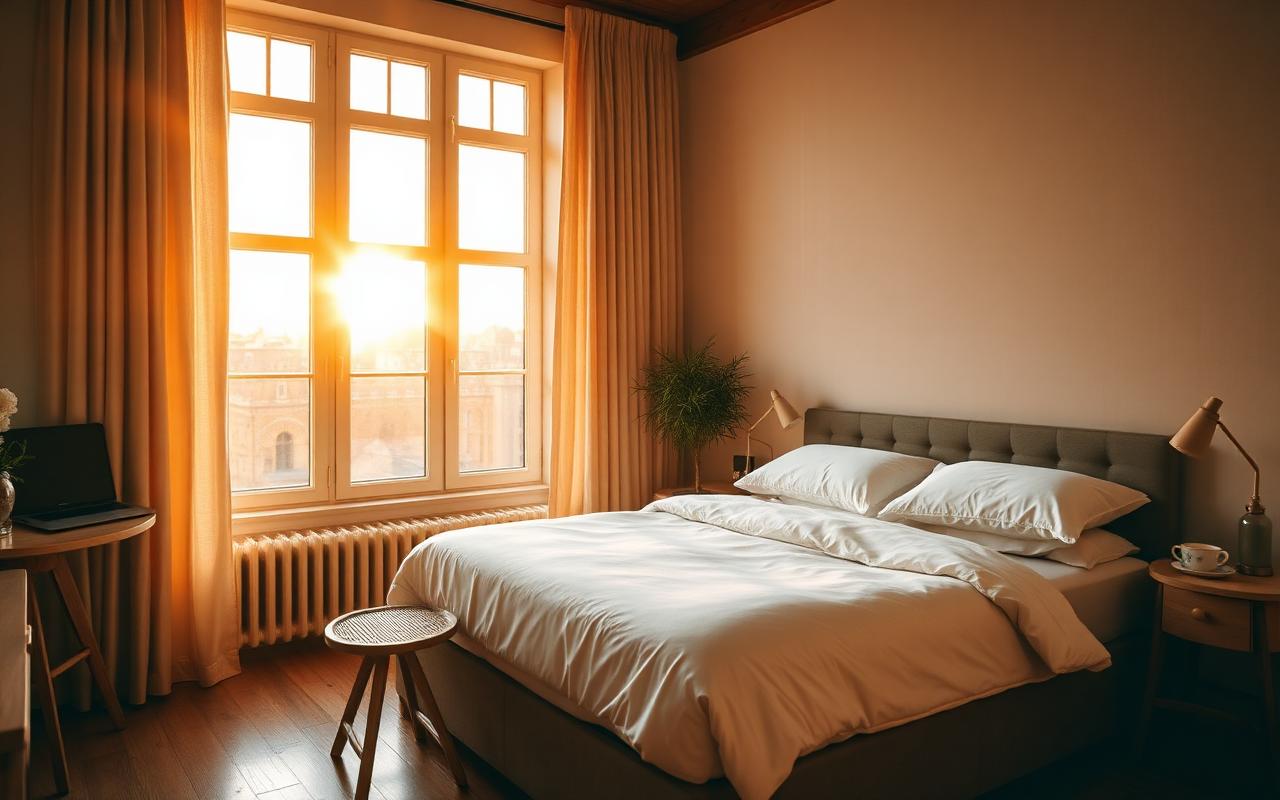
If you're staying somewhere for a month or more, the hotel-vs-apartment question becomes less about luxury and more about how you actually live. After years of switching between the two, I've developed a pretty clear sense of when each one wins — and it has less to do with budget than most people think.
When Hotels Still Make Sense
Hotels aren't dead for long stays. They're just situational. A hotel makes sense when:
You don't want to think about anything. Housekeeping, fresh towels, a desk that's already set up, a gym downstairs, someone at reception who can help. If your month is work-heavy and you want to minimize mental overhead, a well-chosen hotel — especially a business or boutique property with monthly rates — can be the most productive choice.
The location is non-negotiable. In some cities, the apartment inventory in the center is weak, dated, or overpriced. A mid-range hotel in the right neighborhood often beats an apartment 20 minutes out.
You want flexibility. Most hotels let you shorten or extend with a day's notice. Apartments usually lock you into a fixed term with penalties.
The catch? After two or three weeks, hotel rooms start to feel small. Same view, same layout, no kitchen, no living room. If you're someone who needs variety in your environment to stay creative, hotels can quietly become draining.
When Apartments Take Over
Apartments pull ahead when:
You want a kitchen. Not a kitchenette with a microwave — a real kitchen. If you cook even a few times a week, the savings and the quality-of-life improvement are substantial. More importantly, cooking is one of the fastest ways to feel at home in a new city.
You need space to think. A separate living area changes how you work. You can close the bedroom door and treat the living room as an office. Or lie on a sofa and read without sitting on your bed. These spatial separations matter more than people expect.
You're staying somewhere seasonal. In summer, you want a balcony. In winter, you want a space that doesn't feel like a box. Apartments usually offer more architectural variety and better natural light.
You want to live like a local. Walking into a residential building, greeting neighbors, shopping at the corner store — these small rituals ground you in a place in a way hotels rarely do.
The Hidden Costs of Each
Hotels advertise all-inclusive simplicity, but long-stay guests often end up spending more on food, laundry, and co-working spaces because those things aren't built in.
Apartments look cheaper on paper, but you need to factor in: setup costs (buying basics the kitchen lacks), utility deposits, cleaning fees, and the time spent managing the space. In some cities, the total cost difference shrinks dramatically once you add everything up.
My Decision Framework
If I'm staying 1–2 weeks: Hotel, almost always. The convenience outweighs everything.
If I'm staying 3–4 weeks: It depends on the city. In places like Lisbon, Tbilisi, or Mexico City where apartments are excellent and cheap, I go apartment. In expensive or apartment-scarce cities like London, Singapore, or Zurich, I look for extended-stay hotels or serviced apartments.
If I'm staying 2+ months: Apartment, no question. At that point, you need roots, not a room.
The real test is simple: after a long workday, do you want to come back to a room, or to a home?
Tools & links from this story
Some links are affiliate. They cost you nothing and keep this site running.
- Hotellook — compare extended-stay options →Filter by apartments and long-stay hotels in any city.
- EKTA — monthly travel insurance →Covers longer stays without the usual gaps.
Written by
Meric Erdinc · Founder, 1-Minute Nomad
Meric has spent the last six years moving around Southeast Asia and beyond, with a laptop, a rotating set of Wi-Fi passwords, and an opinion on every co-working space he’s ever stepped into. Rooted in Istanbul, currently working out of Bangkok — though the next flight is usually already booked. He started 1-Minute Nomad for people like him: nomads who don’t have time to read forty Reddit threads to figure out a city. Every guide here comes from a place he’s actually lived, worked or months of on-the-ground research.
Subscribe
Get the next dispatch
One email when a new city guide drops. No spam, no daily noise.