Destinations
Destinations: Best Mexico Travel Destinations to Visit in 2025
Last updated · 10 min read
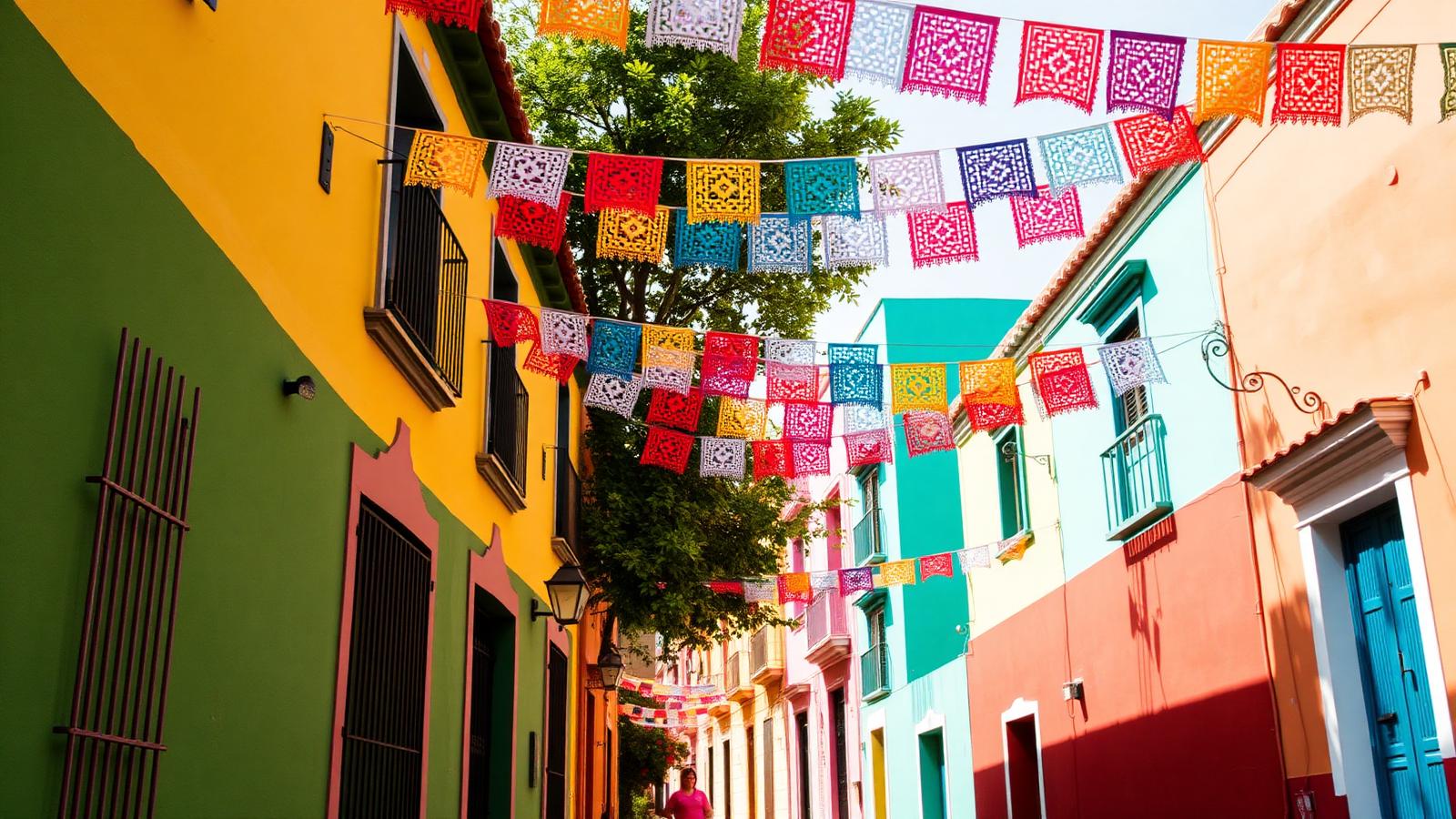
Mexico is the kind of country that people visit once and spend years trying to get back to. It's enormous — the 14th-largest country in the world — and wildly diverse in ways that genuinely catch first-timers off guard. Pacific surf culture and Caribbean beach resorts are obvious. What surprises people is everything else: ancient ruins in jungle, some of the world's best food, colonial cities that look like they were designed by someone who understood how color works, and a cultural depth that takes years to fully understand.
The question for most travelers isn't whether to visit Mexico but where. Here are the Mexico travel destinations most worth your time — chosen for variety, for what makes each place genuinely distinct, and for honest assessment of what to expect.
Mexico City (CDMX)
Let's start with the capital because it's systematically underrated by international travelers who associate it with crime statistics from fifteen years ago. Mexico City today is one of the great metropolises — a city of 21 million people with world-class museums, a food scene that Michelin started covering in 2024, extraordinary pre-Columbian archaeological sites (Teotihuacan is an hour from the city center), and a cultural life that runs twenty-four hours.
Base yourself in Roma or Condesa for the best combination of walkability, restaurant access, and neighborhood feel. The Anthropology Museum in Chapultepec Park alone would justify the trip — it contains the largest collection of ancient Mexican artifacts in the world and takes a full day to do properly. Book tours to Teotihuacan through GetYourGuide if you want to beat the crowds with an early-entry slot.
Mexico City is also the best gateway to the rest of the country: excellent domestic flight connections, buses to Oaxaca and Puebla, and a major international airport.
Oaxaca
If Mexico City is the country's brain, Oaxaca is its heart. This colonial city in the southern highlands is the cultural epicenter of Mexican indigenous culture, and it produces some of the most distinguished food in the country — mole negro, tlayudas, mezcal, chapulines (roasted grasshoppers, genuinely worth trying). The surrounding state contains 16 distinct indigenous groups, and their influence is visible in everything from the textile markets to the architecture to the food.
The ruins of Monte Albán — a Zapotec city founded around 500 BCE on a flattened mountain with views across the valley — sit 9 kilometers outside the city and deserve a half-day. The Day of the Dead celebrations in Oaxaca are among the most significant in Mexico and draw visitors from around the world in late October and early November. If that's your window, book accommodation six months in advance.
Tulum
Tulum has become a cliché, but clichés exist because something was genuinely special first. The Caribbean coast south of Cancun is objectively beautiful: turquoise water, white sand, jungle inland, and an extraordinary network of cenotes — freshwater sinkholes connected by underground rivers that you can swim and dive in. The cenotes alone make the region worth visiting.
The town itself has grown rapidly and unevenly — parts of it are quite crowded and overpriced — but the beaches remain stunning, and day trips south to the Sian Ka'an Biosphere Reserve or north to Cobá (a Mayan ruin you can still climb) offer breathing room. Rent a car from Localrent.com or QEEQ for maximum flexibility; the coast is spread out and taxis get expensive quickly.
On the Tulum question of safety: the tourist strip itself is generally fine. Common sense travel precautions apply. Check current foreign travel advisories before booking, as the situation evolves.
San Cristóbal de las Casas
The highlands of Chiapas produce the most dramatic highland scenery in Mexico, and San Cristóbal sits at the center of it at 2,200 meters elevation. The city itself is a perfectly preserved colonial town of colorful houses, excellent coffee (Chiapas is a major coffee-producing region), and some of the best crafts markets in the country. The surrounding villages — Chamula, Zinacantán — offer a glimpse into living indigenous Maya communities that has remained largely unchanged for centuries.
The nearby Sumidero Canyon is one of the great natural landscapes of southern Mexico: a 1,000-meter-deep gorge cut by the Grijalva River, best seen by boat. GetYourGuide has boat tours and canyon excursions from San Cristóbal that combine both on a single day out.
Puerto Vallarta
Puerto Vallarta is Mexico's Pacific coast done right: a proper town that existed before tourism arrived, with a genuine historic center (the Zona Romántica), excellent food, good surf nearby, and a mountain backdrop that provides hiking options for days you want a break from the beach. It's significantly less developed than Cancun and feels more like an actual place.
The Marietas Islands — a group of protected islets about an hour offshore — contain the famous Hidden Beach, accessible only by swimming through a tunnel. Tours book out far in advance in high season and are strictly limited for environmental protection reasons.
Guadalajara
Mexico's second city and the birthplace of tequila (the town of Tequila is an hour away and worth the visit). Guadalajara is a walkable, beautiful colonial city with a thriving arts scene, excellent food, and the Tlaquepaque neighborhood — an artisan district of galleries, workshops, and restaurants that's become one of the most pleasant places in the country to spend an afternoon.
Less touristy than Mexico City or Oaxaca, Guadalajara rewards travelers who want to experience Mexican urban life at a slightly slower pace. Kiwi.com frequently finds good connections here from North American and European cities.
The Yucatán Peninsula
Beyond Tulum, the peninsula contains Mérida (a gorgeous colonial city that serves as the base for Yucatán exploration), Chichen Itzá (one of the New Seven Wonders of the World), Uxmal, dozens of lesser-visited Mayan ruins, and a coastline that includes the flamingo lagoons of Celestún on the Gulf side. This is the Mexico of archaeology, jungle, and colonial elegance — a completely different experience from the Caribbean beach resorts a few hours east.
Practical Travel Tips for Mexico
Getting around: domestic flights are affordable and efficient between major cities. ADO buses are excellent for Oaxaca, Yucatán, and Chiapas. Car rental (Localrent.com or QEEQ) is best for exploring coast roads and rural areas independently.
Connectivity: grab a local Mexican eSIM before landing or on arrival. Airalo and Saily both offer Mexico-specific plans with good Telcel coverage, which is the strongest network in most of the country.
Health and insurance: stomach issues are the most common medical concern for visitors — drink bottled or filtered water consistently. VisitorsCoverage offers travel insurance plans covering medical emergencies abroad, which is worth having anywhere outside your home country.
Money: cash remains king outside major tourist areas, particularly in smaller towns, markets, and local restaurants. ATMs exist everywhere but carry some pesos.
When to Visit Mexico
Mexico is a year-round destination but varies significantly by region. The Pacific coast dry season runs November to April. The Caribbean coast is driest December to April (hurricane season peaks August to October). The highlands — Oaxaca, CDMX, Chiapas — are pleasant year-round, with a rainy season June to September that brings green landscapes but occasional flooding.
Frequently asked questions
- Is Mexico safe to travel?
- Mexico's safety varies dramatically by region. Tourist areas in Oaxaca, Mexico City, the Yucatán, and Pacific coast resort towns are generally safe with standard travel precautions. Some northern border states carry higher risks. Check your government's current travel advisory before booking and stay updated.
- What is the best time to visit Mexico?
- November to April is the safest weather window for most coastal regions. Shoulder seasons (October, May) offer better value and smaller crowds. Avoid peak Christmas/New Year week everywhere unless you've booked months in advance.
- Do I need a visa for Mexico?
- Most Western nationalities (US, EU, UK, Canada, Australia) don't need a visa for tourist stays under 180 days. Always verify requirements for your specific passport before travel.
- What currency is used in Mexico?
- Mexican Peso (MXN). USD is accepted in many tourist areas but you'll get better rates paying in pesos. ATMs are widely available.
Tools & links from this story
Some links are affiliate. They cost you nothing and keep this site running.
- Kiwi.com — flights into MEX, OAX and CUN →Compare gateways before locking the long-haul leg.
- Klook — Mexico tours and excursions →Teotihuacán, cenotes, mezcal tastings and food tours.
- GetRentacar — car hire across Mexico →The Yucatán and Pacific coast both reward a rental.
- Airalo — Mexico eSIM on Telcel →Strongest coverage outside the resort zones.
Written by
Meric Erdinc · Founder, 1-Minute Nomad
Meric has spent the last six years moving around Southeast Asia and beyond, with a laptop, a rotating set of Wi-Fi passwords, and an opinion on every co-working space he’s ever stepped into. Rooted in Istanbul, currently working out of Bangkok — though the next flight is usually already booked. He started 1-Minute Nomad for people like him: nomads who don’t have time to read forty Reddit threads to figure out a city. Every guide here comes from a place he’s actually lived, worked or months of on-the-ground research.
Subscribe
Get the next dispatch
One email when a new city guide drops. No spam, no daily noise.