Destinations
Destinations: Your World Cup 2026 City Guide — 16 Host Cities, One Big Decision
Last updated · 9 min read
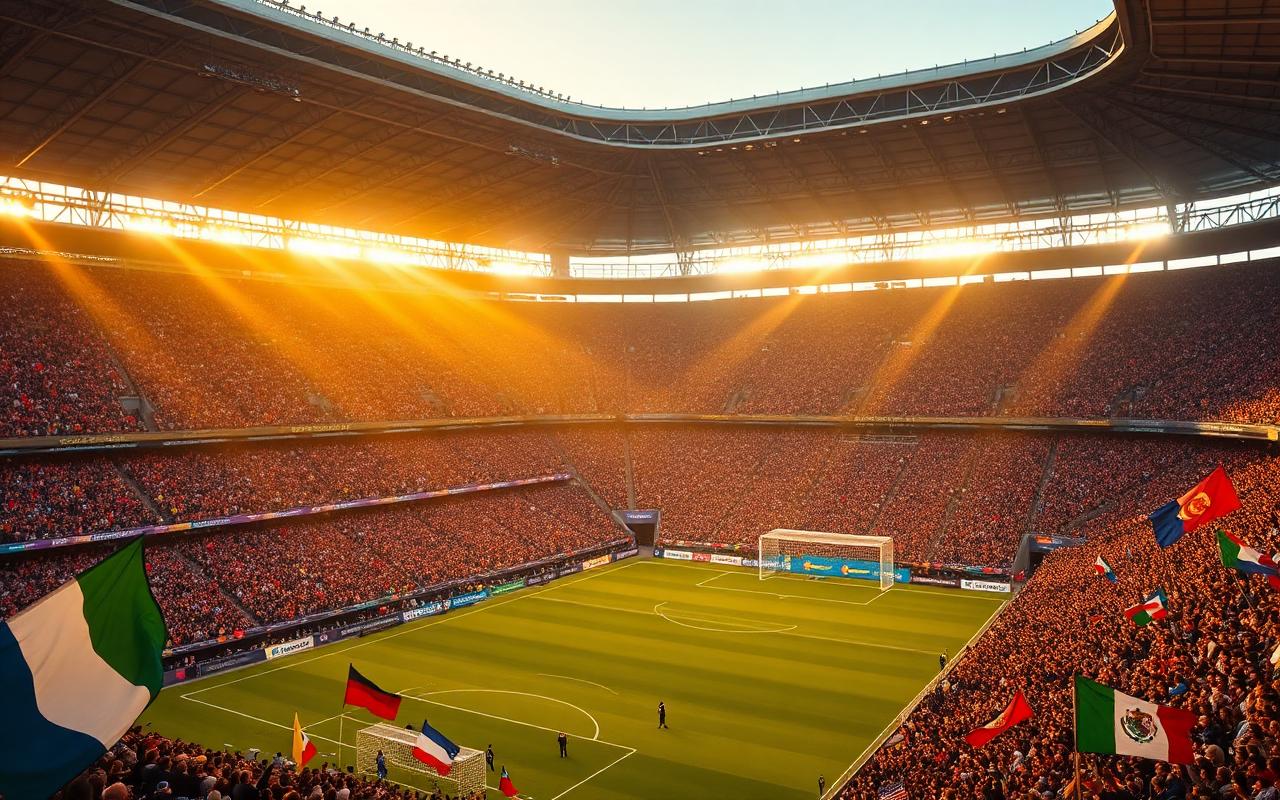
The World Cup is coming to North America this summer, and for the first time in history, three countries are sharing the stage. The United States, Canada, and Mexico will host 104 games across 16 cities between June 11 and July 19, 2026. That's a 40-day window of football madness stretching from Monterrey to Vancouver.
If you're planning to travel for it — whether you want to catch a few games or turn the whole thing into a month-long adventure — the first question you need to answer is: which city?
Here's an honest look at the 16 host cities, what they offer beyond the stadium, and how to think about choosing your base.
The Setup: 16 Cities, Three Countries
Before getting into specifics, it helps to know the geography of this tournament.
Mexico gets three cities: Mexico City, Guadalajara, and Monterrey. All three are in the early group stage, hosting games in June before the tournament moves north.
Canada gets two cities: Toronto and Vancouver. Both are World Cup first-timers and have put serious effort into readiness.
The United States carries the bulk of the tournament with eleven cities: New York/New Jersey, Los Angeles, Dallas, Miami, Atlanta, Seattle, Boston, San Francisco/Bay Area, Philadelphia, Kansas City, and Houston.
The final is scheduled for MetLife Stadium in East Rutherford, New Jersey, on July 19.
If you're still booking long-haul flights, comparing fares into multiple host airports in a single search usually beats locking onto the obvious gateway.
The Mexican Cities: Start Here
If you want to experience the World Cup at its most emotionally raw, the Mexican cities are where you want to be in the first two weeks of June.
Mexico City is the crown jewel. Estadio Azteca is the most storied stadium in football history, and the city itself is one of the most interesting urban environments in the world. It's dense, culturally rich, and relatively affordable compared to the US cities. Getting between the stadium and the city center is straightforward by metro. The food scene alone is worth the trip, and Mexico City has one of the most active digital nomad communities in the Americas.
Guadalajara is the underrated pick. Smaller, more manageable, with a genuinely warm atmosphere. If you want to watch football without feeling crushed by tourist infrastructure, Guadalajara delivers a more local experience. The city's historic center and the nearby town of Tlaquepaque are worth exploring on non-match days.
Monterrey is a modern industrial city in the north, close to the US border. It's less of a sightseeing destination but very well-connected. If you're planning to cross into Texas after the group stage, Monterrey is a logical starting point.
The American Cities: Scale and Variety
The US venues cover an enormous range of experiences. Here are the ones worth paying attention to.
New York/New Jersey is the tournament's anchor. MetLife is massive, the surrounding New York infrastructure is world-class, and the city needs no introduction. Tickets here will be the most expensive and the most competitive, but the atmosphere around a World Cup final in New York will be unlike anything else.
Los Angeles is the other major hub. SoFi Stadium in Inglewood is one of the newer NFL venues, and LA brings its own multicultural energy that translates well to international football. The city is sprawling, so factor in travel time between your accommodation and the venue.
Miami is the city where football culture already runs deep. A large Latin American diaspora means the atmosphere will feel closer to South America than a typical US sports event. Warm weather, ocean access, and strong air connections make Miami one of the more enjoyable bases for the tournament.
Atlanta and Dallas are both in the American South and offer efficient stadium access, strong hospitality infrastructure, and generally lower accommodation costs than the coastal cities. If you're value-focused, these two are worth serious consideration.
Seattle and Boston offer something different: relatively mild summer temperatures (a relief if you're coming from anywhere hot) and genuine football fan cultures. Both cities have strong MLS followings, which means more locals in the stands who actually know the game.
San Francisco/Bay Area (Levi's Stadium in Santa Clara) is well-positioned for remote workers, with strong tech infrastructure and plenty to do in and around the Bay. However, it's also the most expensive metro area in the tournament.
Philadelphia and Kansas City round out the US list. Philadelphia brings intensity and a passionate sports culture. Kansas City is the most central city in the tournament geographically, and accommodation there will be significantly cheaper than the coastal markets.
The Canadian Cities: New Energy
Toronto is making its World Cup debut and has invested accordingly. The city is genuinely diverse, football-literate, and easy to navigate. It's also one of the better cities on the list for food and nightlife. On the practical side, Toronto summers are warm without being brutal, and the transit system works.
Vancouver is arguably the most beautiful setting in the tournament. Mountains, ocean, mild weather, and a clean, walkable city. If you want to combine football with an outdoor experience, Vancouver is your pick.
How to Choose
A few practical considerations that should drive your decision:
Match schedule: Before anything else, look at what games are being played where. Group stage matchups in certain cities will attract very different crowds depending on which national teams qualified. Check the FIFA 2026 schedule and see what games align with your travel window.
Budget: The cost gap between US coastal cities and Mexican or mid-American venues is significant. Mexico City and Guadalajara are meaningfully cheaper for accommodation, food, and transport. If you're watching the budget, starting in Mexico and working your way north is a smart approach.
Base camp vs. hopping: Some people pick one city and settle in for a week or two, watching multiple games and using the city as a home base. Others plan a multi-city route, following their team or chasing the best matchups. Both approaches work, but the multi-city approach requires more planning around accommodation (flexible cancellation policies are essential) and internal flights.
Beyond football: The World Cup is six weeks long. Even the most devoted fan has non-match days, and how interesting a city is on those days matters. Mexico City, New York, Los Angeles, Vancouver, Toronto, and Miami all score high here. Dallas and Kansas City are fine; they're just not destination cities in the same way.
The Short List
If you had to pick three cities to cover across the tournament, a logical combination would be: Mexico City for the group stage atmosphere and cultural depth, Miami for the round of 16 energy and the Latin American football culture, and New York for the knockouts. That's a route that covers a lot of ground — literally and figuratively.
The World Cup only comes around every four years. It's in your neighborhood this time. That's worth planning for properly.
Keep exploring
Pair this with where to stay during World Cup 2026, what it actually feels like to watch the World Cup live, and what to pack for the tournament.
All the best, and good luck with the tickets.
Tools & links from this story
Some links are affiliate. They cost you nothing and keep this site running.
- Kiwi.com — flights to all 16 host cities →Compare US, Canadian and Mexican airports in one search.
- Klook — stadium-area tours and city passes →Skip-the-line for non-match days in NYC, LA, CDMX.
- EKTA — North America travel insurance →Cross-border cover across US, Canada and Mexico.
- GetRentacar — wheels for multi-city routes →Useful in Dallas, LA and across Texas–Mexico borders.
Written by
Meric Erdinc · Founder, 1-Minute Nomad
Meric has spent the last six years moving around Southeast Asia and beyond, with a laptop, a rotating set of Wi-Fi passwords, and an opinion on every co-working space he’s ever stepped into. Rooted in Istanbul, currently working out of Bangkok — though the next flight is usually already booked. He started 1-Minute Nomad for people like him: nomads who don’t have time to read forty Reddit threads to figure out a city. Every guide here comes from a place he’s actually lived, worked or months of on-the-ground research.
Subscribe
Get the next dispatch
One email when a new city guide drops. No spam, no daily noise.