The Suitcase
The Suitcase: What to Pack for World Cup 2026
Last updated · 9 min read
Packing for a major international football tournament is its own skill set. You're not planning for a beach holiday, a business trip, or a backpacking route. You're planning for a six-week event that takes place across three countries with different climates, requires you to stand in crowds for hours at a time, and involves more walking, sweat, and spontaneity than most travel.
This is a guide built around the specific conditions of World Cup 2026: hot North American summers, long match days, city-hopping between Mexico, the US, and Canada, and the general reality of living out of a bag for weeks.
The Bag Situation First
Before anything you put in the bag, the bag itself matters.
The ideal setup for a multi-city World Cup trip is one mid-sized checked bag (around 23kg) plus a solid daypack that fits under a stadium seat. Most stadiums have restrictions on bag size — typically nothing larger than A4/letter size or 30x30x15cm. Check the specific stadium rules for your venues before you arrive, because oversized bags often have to be left at bag check, and that adds 20 minutes to your exit.
The daypack is your match-day companion. Everything else travels in the main bag.
If you're doing shorter city stays with frequent flights, a 40L carry-on only setup is worth considering. It forces you to pack smarter and eliminates the checked bag wait at airports. Given that you'll likely be on budget carriers for some internal routes, carry-on only also saves money.
Clothing: The Real Decisions
For match days:
Wear what you want to wear — but know that stadiums in June and July in Miami, Dallas, and Atlanta are extremely warm, and the walk from transit to the stadium can take 20-30 minutes in direct sun. Lightweight, moisture-wicking fabrics are genuinely worth it here.
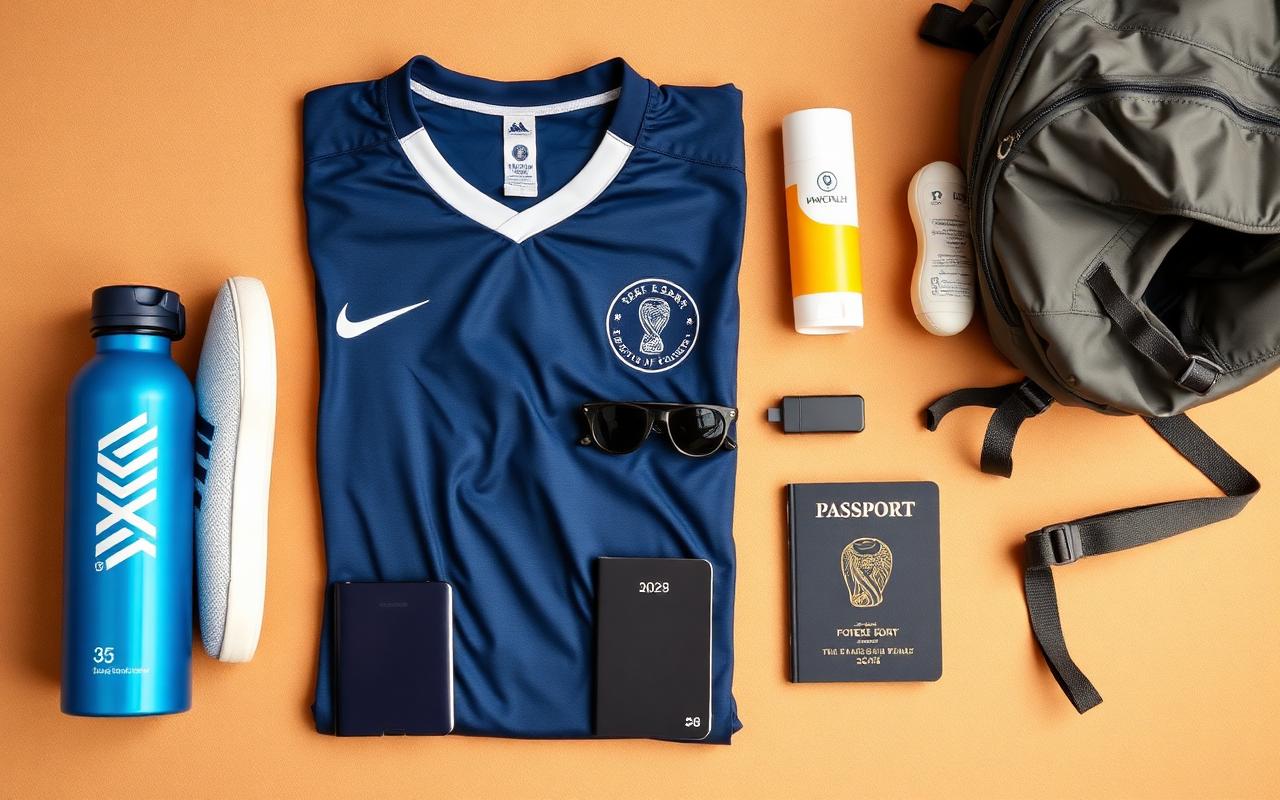
If you're bringing a national team jersey, one or two is plenty. Wearing the same jersey multiple times is completely normal and actually part of the culture. Don't pack three different jerseys thinking you'll use all of them.
Comfortable, broken-in walking shoes are essential. Stadiums involve a lot of walking — parking lots, concourses, stairs. Flip flops at a packed stadium are a bad idea. Sneakers that you've already worn enough to trust are ideal.
For everyday city life:
Pack for the climate of wherever you're going. Mexico City runs warm in June but the evenings cool down; bring one light layer. Miami and Dallas are hot and humid throughout. Vancouver and Seattle are mild and occasionally rainy. Toronto sits somewhere in the middle.
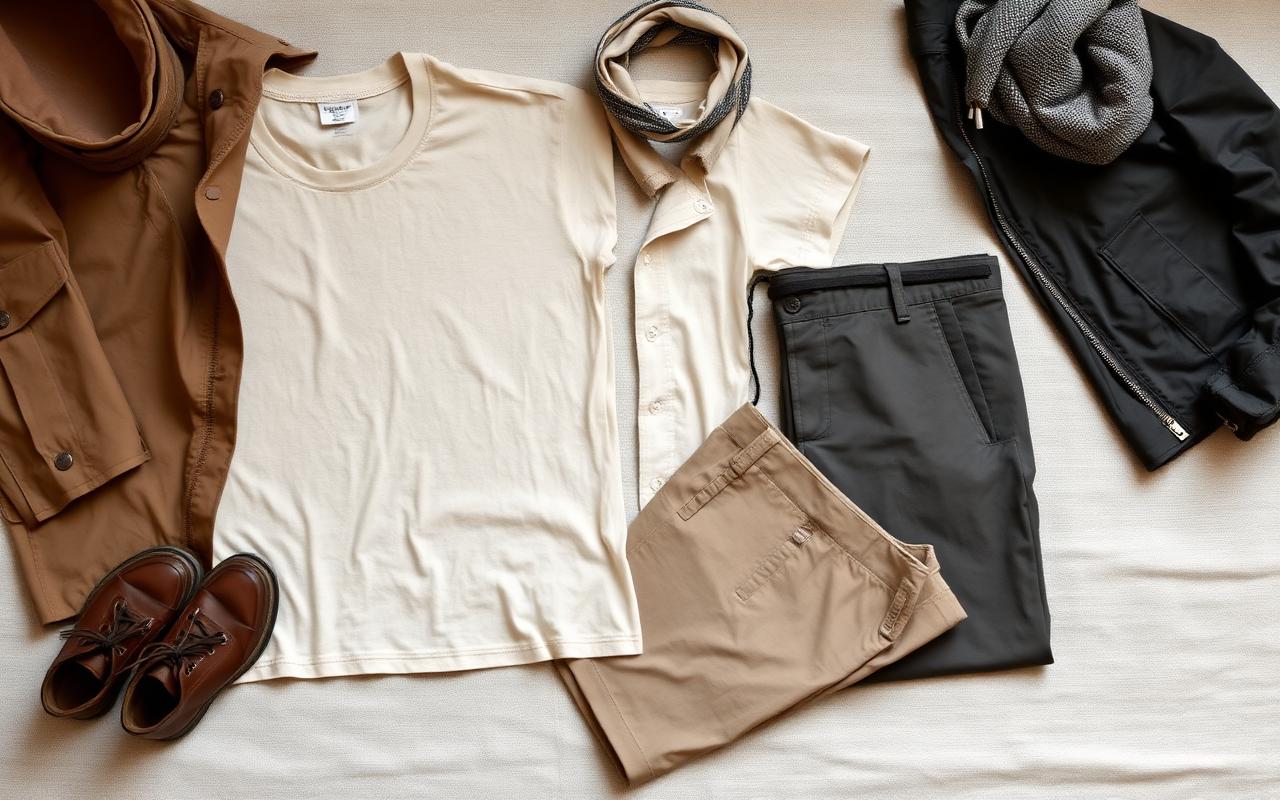
A versatile approach: two or three pairs of shorts, two pairs of lightweight trousers (one works for dinner, one for travel days), five to seven t-shirts, one or two button-down shirts for evenings out, and one layer that works as both a light jacket and something you don't mind wearing to a casual dinner.
Laundry is your friend. Most apartments with a washing machine and most laundromats charge very little. Plan on doing laundry once a week and pack accordingly. You don't need to bring enough clothes for the whole trip.
Tech and Connectivity
This is where most nomad-travelers know what they need, but the World Cup adds a few specific wrinkles.
Data: You're moving between Mexico, the US, and Canada. These are different telecom environments. A few options work well:
- eSIM providers like Airalo offer regional plans that cover North America across all three countries. This is the cleanest solution — no physical SIM swaps, no roaming surprises.
- Your existing carrier may have a North America roaming plan. Check before you go, because some are reasonably priced and others are not.
Whatever you use, having reliable data at a stadium matters. WhatsApp is how most groups coordinate during match days, and maps are essential for post-match navigation when 70,000 people are all trying to get out at the same time.
Power: The US, Canada, and Mexico all use Type A/B plugs (the flat two or three-pin American standard), so if you're coming from Europe or elsewhere, bring adapters. A compact multi-port USB charger is worth the weight. In stadiums, outlets are rare; a small power bank keeps your phone alive through a long match day.
Camera: Your phone is probably enough. Dedicated cameras are bulky and add weight that you'll feel by day three. If you do bring a camera, check the stadium's camera policy — some venues prohibit professional equipment (defined by lens length) without media credentials.
Stadium Day Kit
This is the specific packing list for the bag you carry to each game:
- Sunscreen. Non-negotiable for outdoor stadiums. A small bottle that passes the liquid limit rules is enough; buy more at a local pharmacy when you land.
- Refillable water bottle. Most stadiums allow empty bottles through security. This saves you a significant amount of money over the course of the tournament.
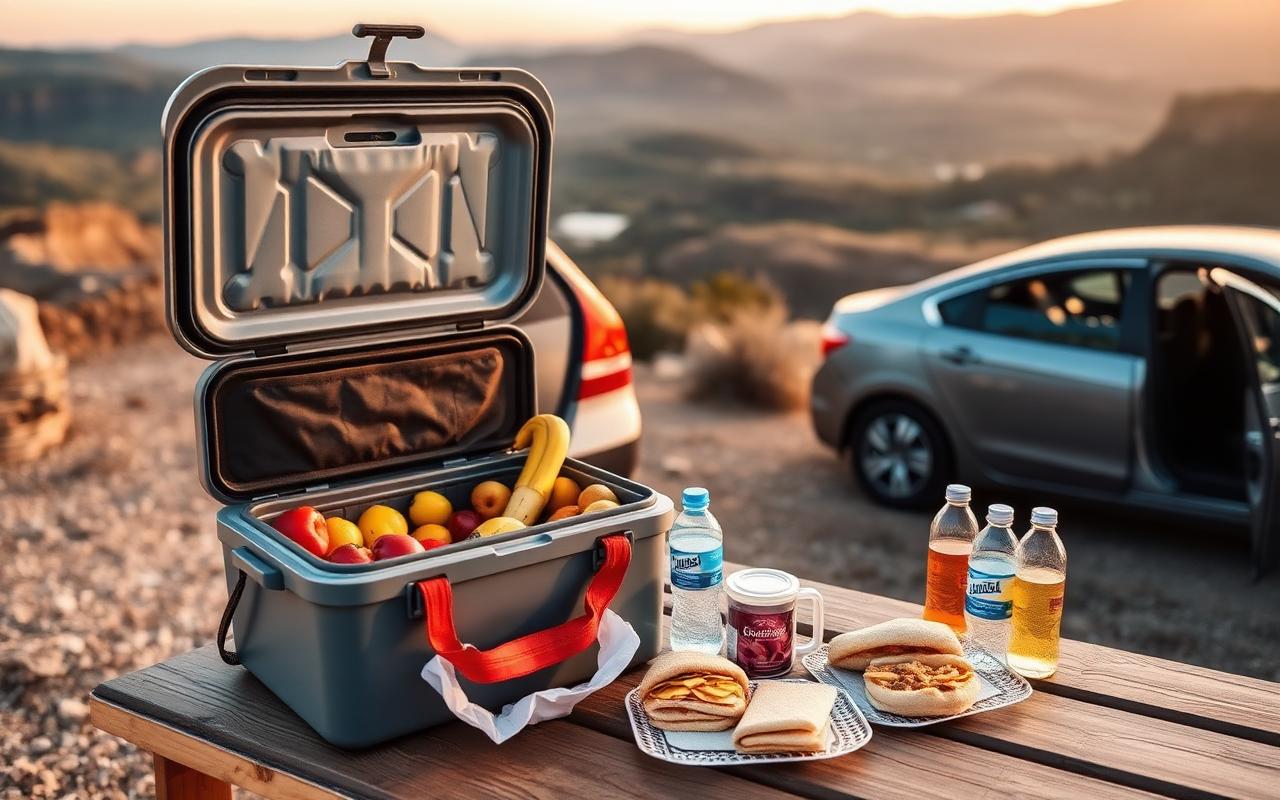
- Small snacks. Depending on the stadium, concession lines can be very long. A few bars or trail mix keep you going if you'd rather watch warmup than queue for a hot dog.
- Portable phone charger. Ideally one that charges fast. You'll use it.
- A light layer for evening games. Even in Miami and Dallas, air conditioning in covered stadiums can be aggressive. For night games that go late, a light long-sleeve is useful.
- Cash. Some vendors around stadium areas don't take cards. Not a lot, but some. A small amount of local currency is always useful.
- Your ticket. Screenshot it, save it offline, and have the app downloaded before you arrive at the stadium. The last thing you want is to be searching for WiFi at security.
Health and Comfort
A trip this long, with this much walking, crowds, and irregular sleep, takes a physical toll. A few things that make a real difference:
Electrolytes. The small powder sachets are light and worth packing. Hot weather plus alcohol plus long days is a recipe for feeling bad by day five if you're not intentional about hydration.
Blister prevention. If your shoes are even slightly questionable, bring moleskin or anti-blister balm. Stadium days are long, and a foot issue on day one becomes a problem for the whole trip.
A small first aid kit. Paracetamol/ibuprofen, antihistamines, a few plasters, and whatever prescription medication you take regularly. Pharmacies are available everywhere in these cities, but having the basics on you saves time and stress.
Travel insurance. Not a packing item, but worth mentioning because it's often forgotten. Events of this scale come with crowds, heat, and the occasional logistical failure. A policy that covers medical, trip interruption, and lost luggage is worth the cost.
What to Leave Behind
The most common packing mistake for longer trips is bringing things you think you'll want but won't use. Here's the short list of things that don't need to come:
Multiple pairs of formal shoes. One pair of clean sneakers handles almost every social situation you'll encounter on a World Cup trip. The only exception is if you're specifically planning fine-dining reservations that require dress code compliance.
A full laptop setup. If you're working remotely, a laptop is obviously necessary. If you're not, a tablet or even just your phone handles most things you actually need. A separate keyboard, monitor, and accessories are serious weight that you'll resent.
Physical books. An e-reader is lighter than one book and holds hundreds of them. The downside of physical books becomes obvious on the third flight.
Too many "what if" items. The umbrella you'll use once, the formal jacket for the dinner you're not sure is happening, the extra pair of shoes because of a hypothetical scenario. These have a cost in space and weight that compounds across every move you make.
The Simple Version
If you're overwhelmed by this, the simple version is: pack for a two-week warm-weather trip, add one jersey, bring an eSIM and a power bank, and make sure your daypack fits under a stadium seat.
Everything else can be bought or adjusted when you get there. The cities you're visiting are all well-supplied. Whatever you forget is probably available at a nearby pharmacy or supermarket.
The suitcase is just the beginning. The trip is what matters.
Keep exploring
Pair this with the World Cup 2026 host city guide, where to stay, and what it actually feels like to be there.
Pack light. Arrive ready.
Tools & links from this story
Some links are affiliate. They cost you nothing and keep this site running.
- Airalo — North America eSIM →One eSIM that covers US, Canada and Mexico.
- EKTA — travel insurance with medical cover →Crowds, heat and long days — worth the small premium.
- Kiwi.com — flights between host cities →Carry-on only setups save real money on internal hops.
Written by
Meric Erdinc · Founder, 1-Minute Nomad
Meric has spent the last six years moving around Southeast Asia and beyond, with a laptop, a rotating set of Wi-Fi passwords, and an opinion on every co-working space he’s ever stepped into. Rooted in Istanbul, currently working out of Bangkok — though the next flight is usually already booked. He started 1-Minute Nomad for people like him: nomads who don’t have time to read forty Reddit threads to figure out a city. Every guide here comes from a place he’s actually lived, worked or months of on-the-ground research.
Subscribe
Get the next dispatch
One email when a new city guide drops. No spam, no daily noise.