The Stay
Why Boutique Hotels Are Worth It — and How to Find Them
Last updated · 7 min read
There's a version of travel where every hotel looks like every other hotel. Same carpet pattern, same minibar layout, same laminated breakfast menu. And there's nothing deeply wrong with that — chains deliver consistency, and consistency has its own value when you're tired and just need to sleep somewhere predictable.
But then there's the version where the hotel is part of the trip. Where you check in and it feels like someone actually thought about the space. Where the staff knows the neighborhood better than any app. Where you wake up and feel like you're actually somewhere, not just parked in a room between activities.
That second version is usually a boutique hotel. Here's how to find the good ones.
What "boutique" actually means (and what it doesn't)
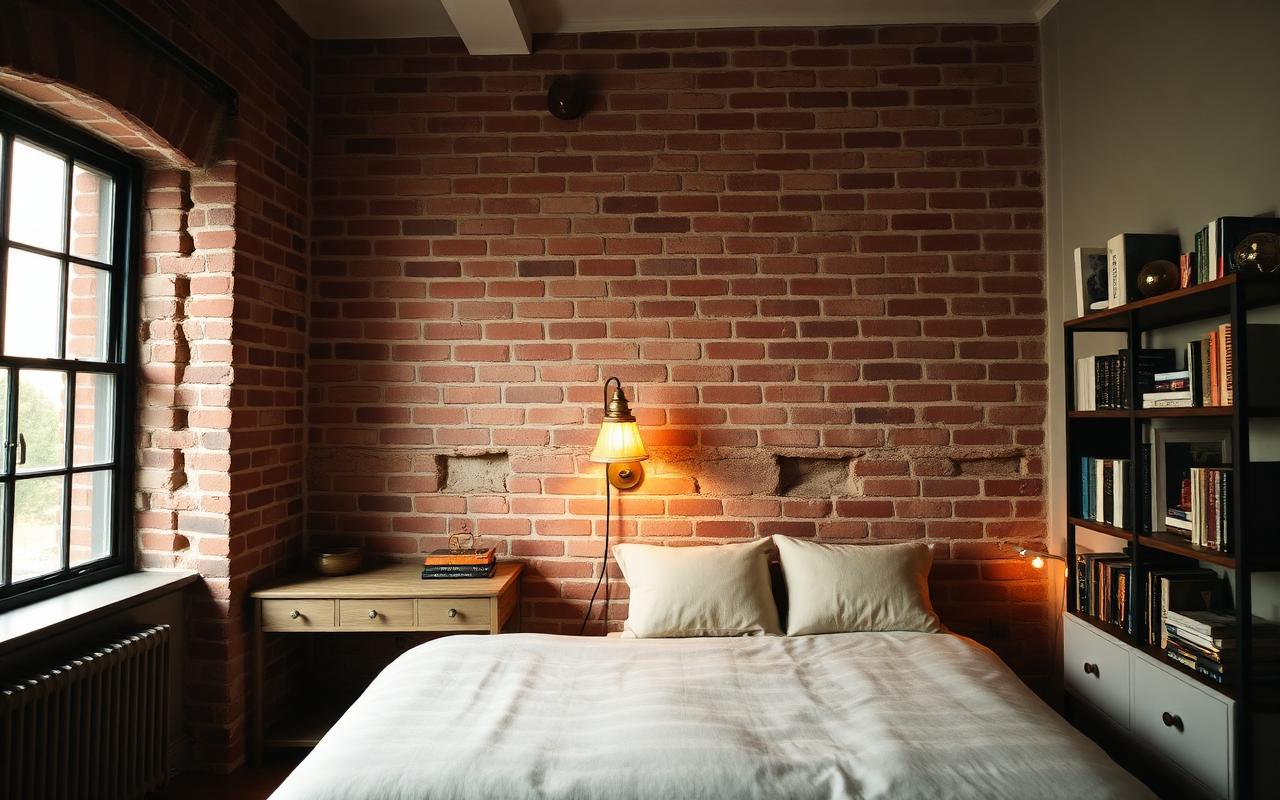
The term has been stretched in recent years. Major chains now have "boutique" sub-brands that are really just their standard properties with softer lighting and exposed brick. True boutique hotels tend to share a few characteristics: independently owned or part of a small group, usually under 100 rooms, with a distinct design identity and a staff-to-guest ratio that allows for more attentive service.
They're not always cheaper than chains. Sometimes they're more expensive. The question is what you're getting for the price, and whether that matches what you actually want from a stay.
Where to look for them
Specialty booking platforms are the starting point. Sites like Design Hotels, Mr & Mrs Smith, or The Beyond curate independent properties with a focus on design, authenticity, or experience. You won't find these places the same way you'd find a Marriott.
Neighborhood-first searching also works. If you know where in a city you want to stay, Google Maps combined with a targeted search for "boutique hotel [neighborhood name]" often surfaces places that don't rank high on the major aggregators simply because they don't invest in paid placement.
Instagram and Pinterest, surprisingly, remain useful here. A well-photographed hotel interior will find its audience, and following travel photographers or design-focused accounts in your destination city can surface options you'd never find algorithmically.
Questions to ask before booking
Before committing to a boutique property, it helps to ask a few things that the listing might not answer clearly:
What's the noise situation? Boutique hotels are often in older buildings in central neighborhoods. That can mean character, but it can also mean street noise, plumbing sounds, or thin walls. Read reviews specifically for mentions of noise.
Is the Wi-Fi actually workable? Smaller properties don't always have enterprise-grade internet infrastructure. If you're working remotely, this matters. Check reviews from people who mention working from the hotel, not just leisure guests.
What's the check-in process like? Some boutique properties are unstaffed at certain hours, or run a key-handoff model through a lockbox or app. If you're arriving late or your schedule is unpredictable, confirm how check-in actually works.
Getting there without the taxi roulette
One thing boutique hotels often don't have is a dedicated concierge who handles transfers. You arrive, you figure it out. In an unfamiliar city, that often means whatever taxi you can flag down at the airport, which is fine until it isn't.
Welcome Pickups is worth knowing about here. It offers pre-booked airport transfers in over 70 countries, with a fixed price agreed before you travel. The driver meets you in arrivals, already knows where you're going, and the whole interaction is in English. For boutique stays in cities where you don't speak the language or don't know the taxi landscape, having the transfer sorted in advance is one fewer thing to manage when you've just landed.
Similarly, Kiwitaxi covers a wide range of intercity and airport-to-hotel transfers if you're moving between cities and want the same kind of reliability.
The size trade-off is real — plan for it
Boutique hotels often have smaller rooms than chain properties at the same price point. That's usually fine for one or two nights. For longer stays, it's worth scrutinizing the square footage and layout more carefully than you might for a larger chain room.
On the upside, common spaces in boutique hotels tend to be far better. The lobby might double as a coffee bar. The rooftop might actually be worth sitting on. The restaurant, if there is one, is more likely to be genuinely good rather than a hotel-ized version of local food. When the room is smaller, the rest of the property often more than compensates.
When boutique makes sense and when it doesn't
Boutique hotels are the right call when:
- You're somewhere for more than two or three nights and want to feel like you're in a place, not passing through it
- The city itself rewards neighborhood immersion (which most interesting cities do)
- You're traveling for a specific experience and want the accommodation to match the register
- You're willing to do a little more pre-research in exchange for something that feels considered
They're less ideal when:
- You have an early flight and need guaranteed efficient service at an inconvenient hour
- You're in a city primarily for work and just need a comfortable room with no friction
- You're traveling with children who need predictable infrastructure and will not appreciate artisanal soap
A final note on value
Boutique hotels are often perceived as luxury, but that framing misses the point. The value isn't in high-thread-count sheets or elaborate amenity kits. It's in the feeling that someone made choices about the space you're in. That a local person thought hard about what the neighborhood deserves and built something that fits it.
That's not a premium you're always going to want to pay for. But when you do, and when you find the right place, it's the kind of thing that changes how you think about where you stay.
Keep exploring
Pair this with 10 hotel booking tips that actually save money and our co-living vs serviced apartments breakdown.
Tools & links from this story
Some links are affiliate. They cost you nothing and keep this site running.
- Kiwi.com — fly into the right neighborhood →Compare secondary airports near boutique districts.
- Klook — local airport transfers →Pre-book a transfer when the hotel has no shuttle.
- EKTA — trip insurance for boutique stays →Useful when bookings are non-refundable.
- Airalo — local eSIM for arrival day →Stay reachable when there's no 24/7 front desk.
Written by
Meric Erdinc · Founder, 1-Minute Nomad
Meric has spent the last six years moving around Southeast Asia and beyond, with a laptop, a rotating set of Wi-Fi passwords, and an opinion on every co-working space he’s ever stepped into. Rooted in Istanbul, currently working out of Bangkok — though the next flight is usually already booked. He started 1-Minute Nomad for people like him: nomads who don’t have time to read forty Reddit threads to figure out a city. Every guide here comes from a place he’s actually lived, worked or months of on-the-ground research.
Subscribe
Get the next dispatch
One email when a new city guide drops. No spam, no daily noise.