Destinations
Destinations: Chicago Travel Guide: The Best Things to Do in the Windy City
Last updated · 9 min read
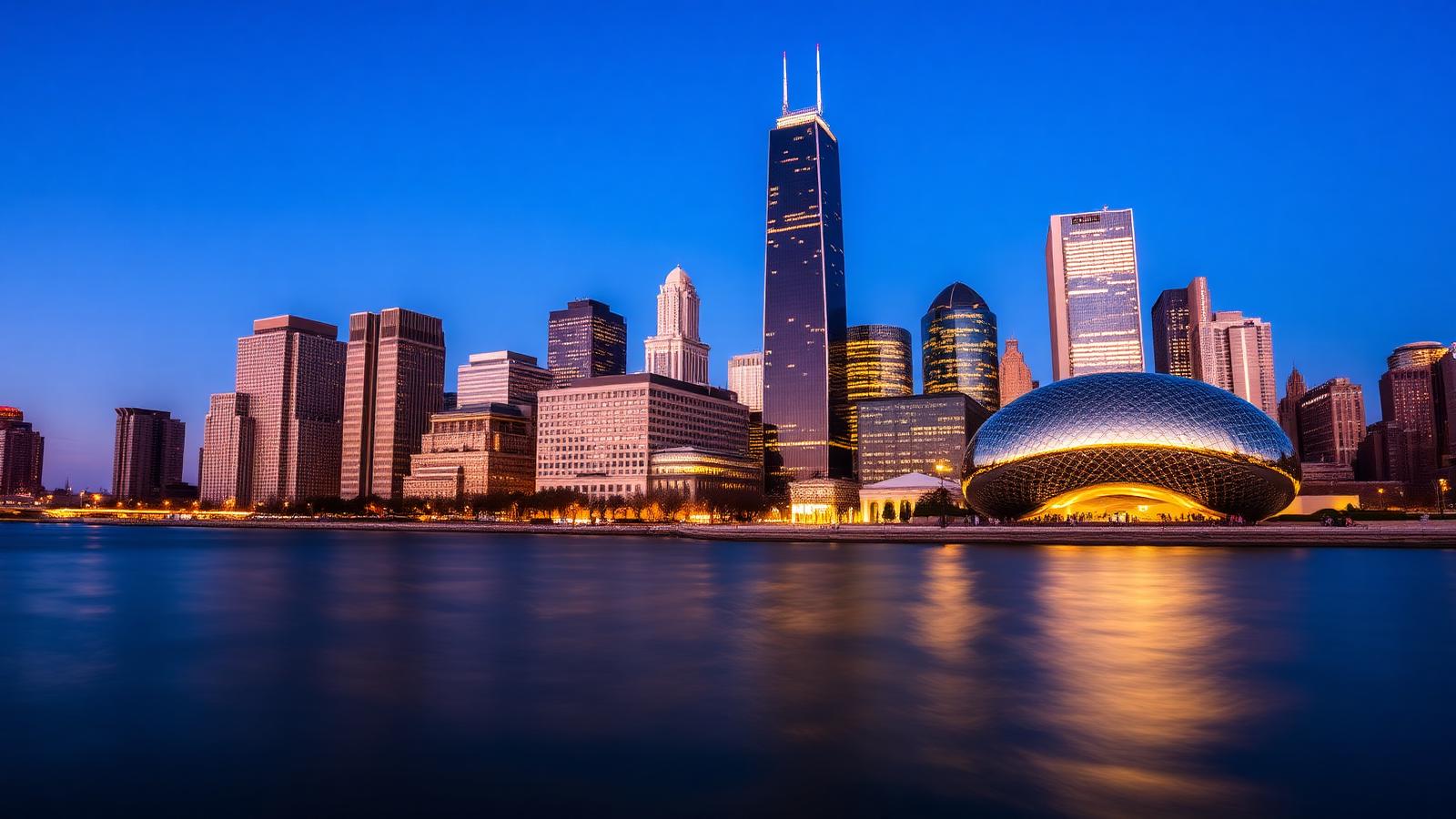
Chicago doesn't get the international attention that New York or Los Angeles does, and Chicago seems genuinely fine with that. There's an interesting civic confidence here — a city that knows its food is among the best in America, its architecture is arguably the best in America, its music (blues, jazz, house music — the genre was literally invented here) is historically unmatched, and its lakefront is one of the great urban waterfronts in the world. Chicago doesn't need to compete because it's not really in competition.
For first-time visitors, the city consistently surprises. Here's what's actually worth your time.
Architecture: Chicago's Greatest Achievement
Chicago invented the modern skyscraper. After the Great Fire of 1871 burned most of the city to the ground, architects from around the world came to rebuild it — and in the process created the architectural vocabulary that defined the 20th century's urban landscape. Louis Sullivan, Daniel Burnham, Ludwig Mies van der Rohe, Frank Lloyd Wright: these architects all have major work here, and the results are visible on a walk downtown.
The Chicago Architecture Center offers one of the best experiences in the city: architectural boat tours on the Chicago River that cover the city's built history over 90 minutes with expert commentary. GetYourGuide has booking for both the river tours and walking architecture tours of the Loop. This is not a thing you can skip.
The Tribune Tower, Willis Tower (the former Sears Tower — the Skydeck on the 103rd floor has glass-floored viewing boxes that extend over the edge), the Aqua Tower by Jeanne Gang, and the Richard J. Daley Center courtyard (home to an untitled Picasso sculpture that the artist gifted to the city in 1967, free to the public) are among the highlights worth walking past.
Millennium Park and the Lakefront
Millennium Park is Chicago's civic living room — a 99-acre public space in the heart of downtown with free programming, world-class public art, and direct access to Lake Michigan. The Cloud Gate sculpture (universally known as "the Bean") is one of the most successful pieces of public art in American urban history: interactive, photographically endless, and genuinely delightful in a way that public art rarely manages.
The lakefront itself extends for miles in both directions — 26 miles of publicly accessible waterfront, with bike paths, beach access, and views back at the skyline that are better than any observation deck. Rent a bicycle or join a cycling tour for the most efficient way to experience the lake's length. WeGoTrip has a good self-guided cycling audio tour of the lakefront.
The Museums
Chicago's museum campus — three world-class institutions on the southern lakefront — is one of the densest concentrations of scientific and cultural collections in the world.
The Art Institute of Chicago houses one of the best collections of Impressionist painting outside France (Sunday on La Grande Jatte, Nighthawks, American Gothic) along with an extraordinary range of Asian and Islamic art. Two to three hours minimum; a full day for serious museum-goers. Tiqets has timed entry tickets that bypass the queue.
The Field Museum of Natural History contains one of the most complete T. rex skeletons ever discovered (Sue, now displayed at a new location with the museum — the largest and best-preserved T. rex skeleton in the world) and an Egypt exhibition that rivals most major European collections.
The Shedd Aquarium and the Adler Planetarium complete the campus. The planetarium's shows are worth attending even for adults — the view of the city from the planetarium's east-facing terrace is one of Chicago's best kept scenic secrets.
Chicago Food: The Real Reason to Come
Chicago has a serious claim to being America's best food city — not necessarily for fine dining (though Alinea and its contemporaries are among the world's best restaurants), but for the density and quality of its restaurant scene across every price point and every cuisine.
The non-negotiable local experiences: Chicago deep-dish pizza (Giordano's, Lou Malnati's, or Pequod's — the pan-crust variety — are the consensus best), the Chicago-style hot dog (Vienna Beef, yellow mustard, relish, onion, tomato, sport peppers, pickle, and celery salt — no ketchup, a genuine rule), and an Italian beef sandwich dipped (fully submerged in the beef cooking juices) from Al's Beef or Portillo's.
Beyond the classics: Chicago has some of the best Korean food outside Korea, extraordinary Thai food particularly in the Argyle Street corridor, a Mexican food scene in Pilsen that rivals any in the US, and a West African restaurant scene in South Shore that most food writers are still discovering. Chicago's neighborhoods are the food story; the tourist corridor is the headline.
Music in Chicago
Chicago invented house music in the early 1980s — DJ Frankie Knuckles and the Warehouse nightclub in the South Loop created a genre that defined global club culture for the next forty years. The blues tradition is equally significant: Muddy Waters, Howlin' Wolf, and Buddy Guy all made Chicago blues what it is, and Buddy Guy's Legends on South Wabash still hosts live blues most nights.
The Chicago Jazz Festival (Labor Day weekend, free, in Millennium Park) and the Chicago Blues Festival (June, also free, Grant Park) are two of the best music events in the country. Ticketmaster handles tickets for major Chicago venues including the Chicago Theatre, United Center, and Symphony Center.
The Neighborhoods Beyond Downtown
Wicker Park and Bucktown: the creative neighborhood, full of independent record stores, vintage shops, excellent restaurants, and the kind of lived-in character that downtown neighborhoods can't fake. Logan Square: where the chefs go to open their second projects and the coffee shops compete in a way that consistently benefits the customer. Hyde Park: the South Side neighborhood where the University of Chicago dominates the architecture and the Obama Presidential Center is under construction.
Practical Chicago Travel Tips
Getting there: Chicago O'Hare (ORD) is one of the world's busiest airports with exceptional international connections. Midway (MDW) is the Southwest Airlines hub and closer to downtown. The El (elevated train) connects both airports to the city center reliably and cheaply — CTA trains are the best option for most travelers. intui.travel and Welcome Pickups handle private transfers if you're arriving late or with significant luggage.
Getting around: the El (Red, Blue, and Green lines especially) covers the major tourist corridors. Bikes through Divvy (Chicago's bike share) are excellent for lakefront and neighborhood exploration. Uber/Lyft are affordable by major city standards. A car is not necessary and actually counterproductive in the city center.
Luggage storage: Radical Storage has locations throughout downtown, including near the Art Institute and Millennium Park. Essential for days when you're checking out but exploring until an evening flight.
Weather: Chicago's reputation for extreme weather is entirely earned. Winters are genuinely brutal (temperatures regularly drop to -15°C or colder with wind chill). Summers are magnificent (25-30°C, sunny, lakefront breezes). Spring and fall are variable but often beautiful. Pack for the actual forecast, not what you expect.
Frequently asked questions
- How many days do you need in Chicago?
- Three days covers the highlights without rushing: architecture, museum campus, the lakefront, and the food. Four or five days adds neighborhoods and a deeper dive into the cultural scene. Chicago is genuinely worth a week.
- What is Chicago most famous for?
- Architecture, deep-dish pizza, the blues, and being the birthplace of house music are the cultural pillars. Externally, it's often associated with Al Capone and Prohibition-era history — which is real but represents a narrow slice of an extraordinary city.
- Is Chicago safe to visit?
- Chicago's violence statistics relate primarily to specific South and West Side neighborhoods and do not meaningfully affect tourist areas. The downtown, Lakefront, Wicker Park, Lincoln Park, River North, and the Museum Campus are all safe by any major city standard. Standard urban travel awareness applies.
- What is the best time to visit Chicago?
- June through September for the outdoor experience — festivals, lakefront beaches, rooftop bars, and the city at its most social. But Chicago's January architecture and food scene is its own kind of great if you're properly dressed for the cold.
Tools & links from this story
Some links are affiliate. They cost you nothing and keep this site running.
- Klook — Chicago architecture and lake tours →The river architecture tour is the city's best experience.
- Tiqets — Art Institute and museum tickets →Timed entry that bypasses the queue.
- WeGoTrip — self-guided audio tours →Lakefront cycling and Loop architecture at your pace.
- Radical Storage — luggage drop downtown →Drop bags near Millennium Park for late-flight days.
Written by
Meric Erdinc · Founder, 1-Minute Nomad
Meric has spent the last six years moving around Southeast Asia and beyond, with a laptop, a rotating set of Wi-Fi passwords, and an opinion on every co-working space he’s ever stepped into. Rooted in Istanbul, currently working out of Bangkok — though the next flight is usually already booked. He started 1-Minute Nomad for people like him: nomads who don’t have time to read forty Reddit threads to figure out a city. Every guide here comes from a place he’s actually lived, worked or months of on-the-ground research.
Subscribe
Get the next dispatch
One email when a new city guide drops. No spam, no daily noise.