Destinations
Destinations: Cozy Cabin Trip Ideas: How to Plan the Perfect Mountain Escape
Last updated · 10 min read
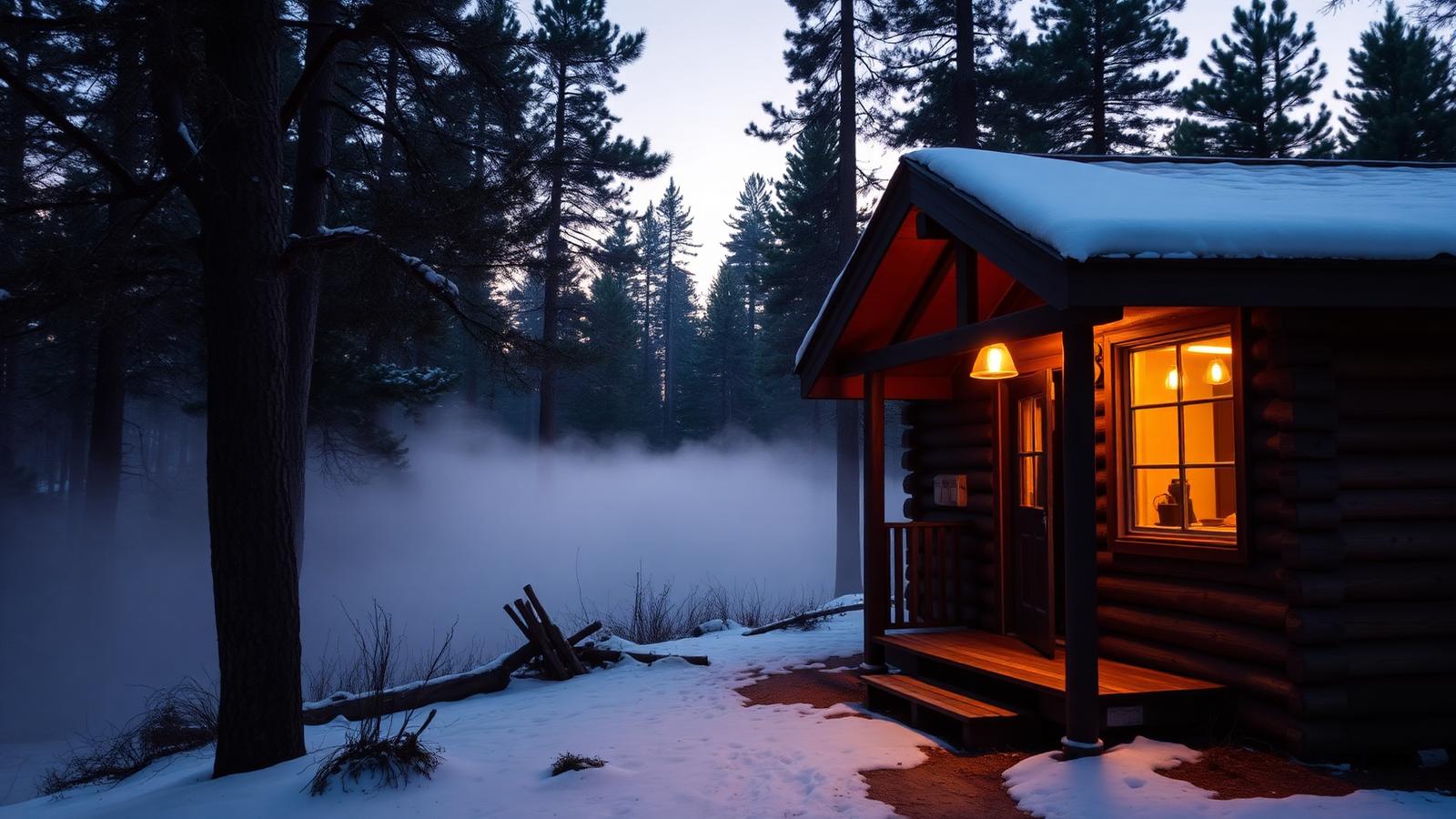
There's a specific kind of tired that only a cabin trip fixes. Not physical exhaustion — the kind that builds from too many notifications, too much connectivity, too many decisions that don't actually matter. A cabin in the mountains or the woods offers the counter-prescription: fire, silence, forest, slow mornings, and the kind of reset that doesn't happen in a city hotel no matter how nice the room.
But a cabin trip can be exactly as cozy as it sounds or as chaotic as any other trip if you plan it wrong. Here's how to plan it right.
Choosing the Right Cabin Destination
The most important decision isn't the cabin itself — it's the surrounding landscape and what you want to do in it. A few distinctions that actually matter:
Mountain vs. forest vs. lakeside: Mountain cabins offer dramatic views, altitude, and the best hiking access. Forest cabins offer privacy, wildlife, and the particular magic of being surrounded by trees. Lakeside cabins add water activities — swimming, kayaking, fishing — and typically more social energy. Decide which experience you're actually after before searching for cabins.
Winter vs. summer: The same cabin in January and July is two entirely different trips. Winter means snow, wood fires, skiing or snowshoeing nearby, early dark evenings perfect for reading. Summer means long days, wildflowers, hiking in warmth, afternoon thunderstorms that feel dramatic from a covered porch. Both are legitimate cozy cabin experiences with different packing lists and different rhythms.
How remote is remote enough? There's a spectrum from "slightly outside a mountain town" to "40 minutes on a dirt road with no cell signal." Know which you want before booking. The former gives you access to restaurants and town life if the cabin vibe becomes overwhelming; the latter gives you genuine wilderness immersion but requires more self-sufficiency.
The Classic Cozy Cabin Trip Activities
Hiking
A mountain cabin is most valuable as a base for trail access. Research the trailheads within 20-30 minutes of your cabin in advance — knowing your morning hike options when you wake up with coffee is much more pleasant than deciding from scratch. AllTrails has comprehensive coverage of most North American and European mountain regions with difficulty ratings, distance, and user reviews. GetYourGuide offers guided hiking options in most mountain destinations for the days you want expertise and local knowledge rather than self-navigation.
Mountain Biking
If your cabin destination has bike trails — and most mountain regions do — this is one of the best activity additions to a cabin trip. BikesBooking.com has rental options in many mountain regions, which means you don't have to transport your own bike. A half-day ride followed by an afternoon on the cabin porch is close to the ideal cabin trip day.
Stargazing
Mountain and forest cabins away from urban light pollution produce some of the best stargazing available. The Milky Way is visible to the naked eye in areas with minimal light pollution — something people who grew up in cities have genuinely never seen. Pack a star chart app (Stellarium is excellent and free) and plan at least one clear-night hour outside. A reclining camp chair, a blanket, and patience are all the equipment you need.
The Morning Routine, Elevated
The cabin morning ritual is the beating heart of this type of trip: wake without an alarm, make coffee with genuine leisure, drink it outside while the forest wakes up. Birds, wind in trees, whatever weather the morning brought. No agenda until you've finished the coffee. This sounds simple because it is — and it's precisely what most people's daily life doesn't allow.
Cooking at the Cabin
The best cabin trips involve a combination of serious cabin cooking and one or two meals at a local restaurant or mountain hut. Cooking together in a cabin kitchen — a proper meal with good wine, eaten at the table without phones — is one of the most social and satisfying things you can do in a group travel context.
Stock the cabin with a few proper meals and the ingredients for breakfast. Then allow one dinner in town at whatever the local recommendation is. The contrast makes both experiences better.
Board Games, Books, and the Deliberate Slow
Bring physical books. Bring a board game or two. Leave space in the itinerary for hours of sitting — reading, talking, watching the fire, doing nothing in particular. The cabin trip that's over-scheduled with activities loses the quality that makes it different from any other trip. The most common post-trip reflection: "I wish we'd done less and just been at the cabin more."
The Cozy Cabin Packing List
Clothing: layers, layers, layers. Mountain temperatures shift dramatically between morning, afternoon, and evening regardless of season. Pack for cold mornings and evenings even in summer. Flannel, merino wool, fleece, rain jacket. Comfortable indoor/outdoor shoes (a clean pair for inside the cabin is a courtesy to fellow guests and keeps floors cleaner).
For the cabin kitchen: a good knife (many cabin kitchens have poor knives), a corkscrew, your preferred coffee method if you're a coffee snob (cabins rarely have the grinder you want), and a few specific food items that are important to you. A cutting board is worth including on longer trips.
Evening ambiance: candles or a quality lantern, a speaker for ambient music, your playlist ready offline. A deck of cards. The physical version of the book you've been meaning to read for six months.
Outdoor gear: headlamp (essential for evening trails and the parking area in the dark), day hiking pack, trekking poles if you use them, high-quality sunscreen, insect repellent.
Connectivity and safety: make sure you know the cabin's WiFi situation before you arrive. Some remote cabins have limited or no connection — which is often the point, but coordinate with any work or family commitments beforehand. A local eSIM through Saily or Airalo keeps you connected on the road and for any essential communications, even when the cabin's WiFi is questionable.
Travel insurance specifically covering outdoor activities is worth having on any cabin trip that includes hiking or mountain sports. VisitorsCoverage has plans that cover this.
Cozy Cabin Trip Ideas by Season
Winter Cabin Weekend
Arrive in the late afternoon as the light goes golden. Make dinner together. Light the fire. Wake to snow or frost on the pines. Morning coffee outside in the cold with blankets. A snowshoe hike in the morning. Hot chocolate back at the cabin. The kind of weekend that costs very little and produces memories completely disproportionate to that cost.
Autumn Foliage Cabin Trip
September and October produce the most visually dramatic mountain landscapes in most Northern Hemisphere destinations. The combination of foliage colors, cooler air, and lower tourist volume than summer makes this arguably the best time for a mountain cabin escape. Book in advance — the foliage weeks are peak cabin season in regions like New England, the Alps, and the Appalachians.
Summer Mountain Cabin
Long days, wildflowers, warm afternoons for outdoor dining, and evenings cool enough to light a fire anyway. Summer cabins work best with early starts — hike before 10am to beat the afternoon heat and afternoon storms common in mountain regions. Leave afternoons for slower activities: reading, swimming in a nearby lake, or the porch.
Spring Cabin Escape
The least visited cabin season in most mountain regions — and, honestly, one of the most beautiful. Snow melt feeds the waterfalls to their peak, wildlife is active and visible, and wildflowers come in waves across the hillsides. The trade-off: trails can be muddy and river crossings may be running high. Go prepared for variable conditions and you'll likely have the trails largely to yourself.
How to Find the Right Cabin
Look beyond the obvious platforms. Local tourism boards often list smaller, independently-owned cabins not listed on major rental platforms. Forest service cabins in national parks and wilderness areas offer extraordinary settings at low cost — in the US, the Forest Service Cabin Rental Program has historic ranger stations and fire lookouts bookable through Recreation.gov for under $75 per night. In Europe, alpine club huts and mountain refuges offer genuine mountain immersion at prices that luxury cabin platforms don't approach.
Frequently asked questions
- What should I do on a cabin trip?
- Hike in the mornings, cook together, stargaze at night, read during the slow hours, and spend at least some time simply sitting outside with no agenda. The goal is the pace change, not a checklist of activities.
- What do you need for a cabin vacation?
- Layers of clothing, good footwear, a headlamp, quality food for cooking, entertainment that works without WiFi (books, board games), and a lower expectation of connectivity than your daily life. The rest the cabin provides.
- How do I find a cozy cabin to rent?
- Airbnb and VRBO have the largest inventory. Hipcamp specializes in nature-based accommodations including cabins, yurts, and glamping. Local tourism board sites often list smaller properties. For the most distinctive options, search for historic forest service cabins through national park systems — they book out fast but deliver the most memorable settings.
- Are cabin trips good for groups?
- Very good, as long as the group has compatible ideas of what the trip is. A cabin trip built around hiking and quiet evenings is incompatible with a group that wants nightlife. Align on the core vision before booking.
Tools & links from this story
Some links are affiliate. They cost you nothing and keep this site running.
- Klook — mountain experiences and guided hikes →Local guides for the days you want expertise, not a map.
- GetRentacar — car hire for the drive in →Most cabins need a car from the nearest town.
- Airalo — eSIM for off-grid weekends →Coverage for the drive even when the cabin Wi-Fi quits.
- EKTA — outdoor-activity travel insurance →Add hiking and mountain biking cover before you go.
Written by
Meric Erdinc · Founder, 1-Minute Nomad
Meric has spent the last six years moving around Southeast Asia and beyond, with a laptop, a rotating set of Wi-Fi passwords, and an opinion on every co-working space he’s ever stepped into. Rooted in Istanbul, currently working out of Bangkok — though the next flight is usually already booked. He started 1-Minute Nomad for people like him: nomads who don’t have time to read forty Reddit threads to figure out a city. Every guide here comes from a place he’s actually lived, worked or months of on-the-ground research.
Subscribe
Get the next dispatch
One email when a new city guide drops. No spam, no daily noise.