Destinations
Cost of Living in Ho Chi Minh City for Digital Nomads in 2026
Last updated · 7 min read
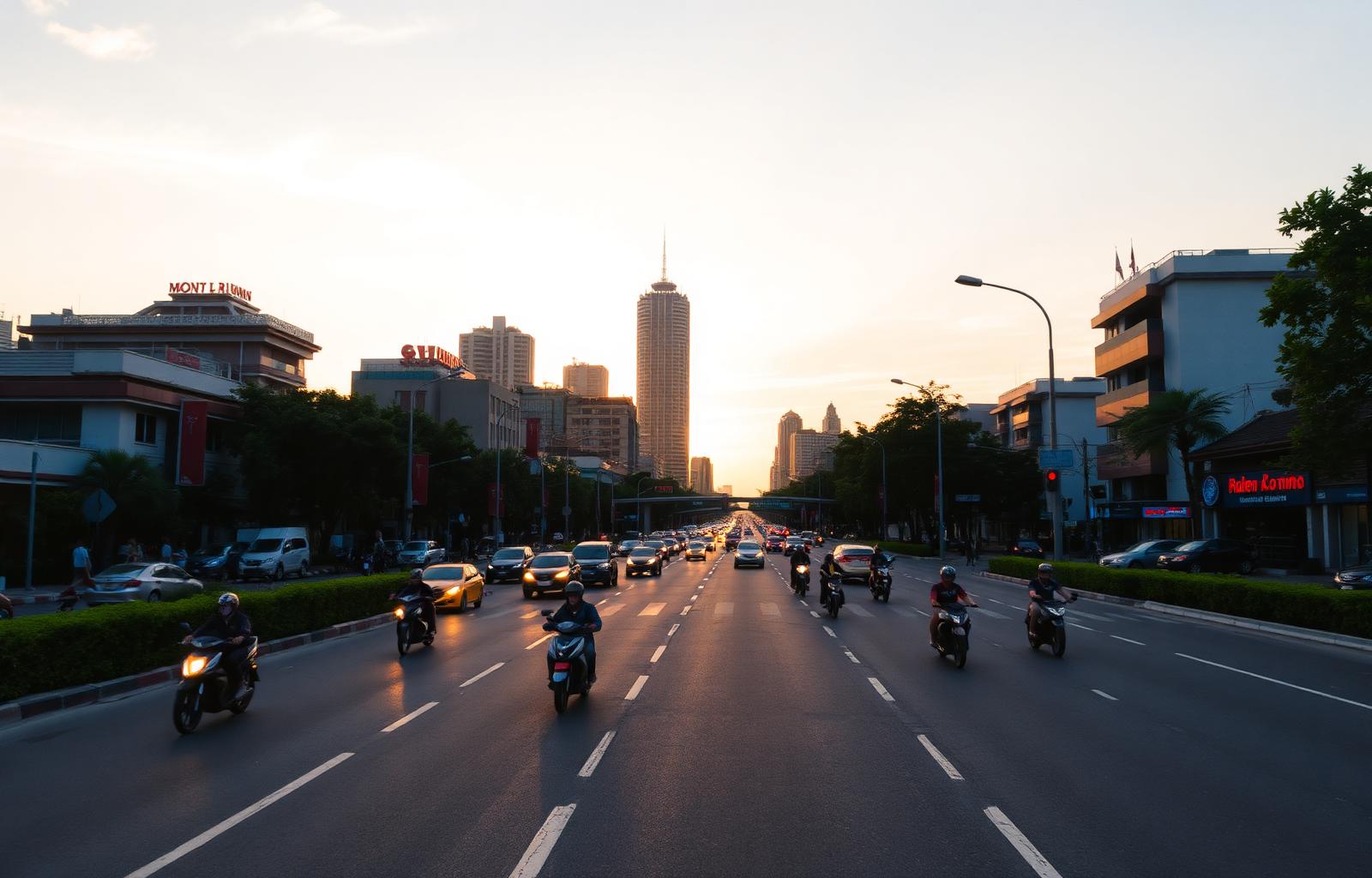
Ho Chi Minh City — still called Saigon by almost everyone who lives or spends time there — is the most affordable major city in Southeast Asia for a nomad stay with decent infrastructure. The cost numbers are genuinely low, the food is extraordinary, and the city has the density and energy of a megacity without the megacity price tag. It's the cheapest city in our best cities ranking.
If the dates aren't locked in yet, comparing flights with a flexible search tends to surface the better fare and the better arrival time at the same time.
The adjustment period is real. HCMC is loud, dense, and moves at a pace that can feel overwhelming in the first week. The scooter traffic alone requires recalibration. By week three, most people are entirely accustomed to the rhythm, and some of them start wondering why they ever thought about leaving.
Monthly total
A comfortable nomad month in Ho Chi Minh City runs $600–1,300 USD. At the lower end, you're renting a room or small apartment in a residential area outside the expat-heavy districts. At the mid-range ($800–1,100), you have a private one-bedroom in a good location, eat well daily, and have an active social life. At the upper end, you're in a serviced apartment in District 1 or a high-rise studio in Bình Thạnh.
Accommodation
Ho Chi Minh City's districts are the primary variable for accommodation. The main nomad areas are:
District 1 (the central tourist and expat district): The most expensive in the city but still affordable. A furnished studio runs $400–700 per month. One-bedrooms are $500–900. Airbnb monthly rates are similar or slightly higher. The advantage: everything is walkable, coworking is dense, and the beer and food scene is right outside your door.
District 3 (quieter, more residential, adjacent to District 1): Very practical for nomads who want the District 1 proximity without the full tourist atmosphere. Similar price range to District 1 or marginally cheaper.
Bình Thạnh (north of District 1, along the river): Has become a popular area for longer-stay nomads and expats, with better value for money than District 1 and improving café and coworking infrastructure. A one-bedroom runs $350–600.
Thảo Điền (District 2/Thủ Đức): An expat-heavy, quieter area on the other side of the river, popular with families and longer-term residents. More expensive for equivalent quality ($600–1,000 for a one-bedroom) but feels significantly different from the city centre — calmer, more suburban in character.
Direct rental from local landlords consistently beats platform prices. Facebook Groups ("Saigon Expats", "Ho Chi Minh City Housing") are the primary resource.
Food
This is where HCMC earns its reputation. Vietnamese food is remarkable — complex, fresh, cheap, and omnipresent. Phở bò (beef noodle soup) at 7am from a street vendor is $1.50–2 and is one of the best breakfasts available anywhere in the world at any price. Bánh mì (Vietnamese sandwich) is $0.80–1.50. A full meal at a local restaurant is $2–4.
For nomads who want café options: HCMC has an excellent specialty coffee scene, driven partly by Vietnam's position as one of the world's largest coffee producers. A specialty coffee at a good Saigon café is $2–3. Brunch at a Western-facing café is $5–10.
Monthly food spending on a mix of local food for most meals and café/restaurant splurges: $120–250. Eating exclusively local food can bring this to $80–120. It is almost impossible to spend a lot on food in HCMC without actively trying.
Coworking
The coworking scene in HCMC has grown substantially. Districts 1, 3, and Bình Thạnh have the highest density of options. Toong (multiple locations), Dreamplex, and Base Coworking are among the more established names. Many cafés also function as coworking spaces — Vietnamese café culture is highly compatible with laptop work.
Day passes run $5–10. Monthly memberships are $80–160.
Internet: Vietnam has improved its broadband infrastructure significantly over the last decade. Most coworking spaces and modern apartment buildings offer 100–300 Mbps. The national infrastructure is VNPT- and Viettel-provided; quality in newer buildings is generally good. In older buildings and some guesthouses, speeds are variable.
Transport
HCMC is a scooter city. Renting a scooter for a month costs $30–60. The traffic is intense and chaotic by most international standards, and learning the local flow (slower than it looks, with a constant stream requiring you to move predictably rather than defensively) takes a few days.
Grab is the primary ride-hailing app and works well for people who don't want to ride. A short Grab journey is $1–3. Grab GrabBike (motorbike taxi) is faster through traffic and cheaper than a Grab car.
The HCMC Metro Line 1 (Ben Thanh to Suoi Tien) finally opened and covers a useful city corridor — a genuine infrastructure improvement that makes some commutes more predictable.
Visa considerations
Vietnam's e-visa is available for most nationalities and grants 90 days with a single-entry or multiple-entry option. The fee is $25. The application is online through the official Vietnam government portal.
Extensions and border runs: a day trip to Cambodia or a flight to Bangkok is the standard border-run solution for nomads staying beyond 90 days. The regularity of enforcement on repeated entries has varied; the e-visa's 90-day grant is generous for most nomad stays.
The honest adjustment
Beyond the first-week adjustment to the traffic and sensory density, a few practical notes:
The heat is constant and significant. HCMC is in a tropical climate — hot and humid year-round, with a dry season (November through April) and a rainy season (May through October). Air conditioning is universal in accommodation and workspaces; the transition in and out of AC-cooled interiors is the main adaptation required.
English is less prevalent in everyday life than in Bangkok or Bali. In Districts 1 and 3 and in the nomad-facing cafés and coworking spaces, English works fine. For daily transactions with local vendors, delivery apps, and neighbourhood life, some Vietnamese (or a reliable translation app) helps.
The summary
HCMC at $700–1,000 per month is the most affordable genuinely functional nomad city in Southeast Asia. The food alone justifies the trip. The coworking infrastructure has matured enough to be practical. The adjustment period is real but short. For nomads who want to keep costs genuinely low without sacrificing quality of daily life, it is difficult to beat.
Pick up an Airalo eSIM before you land and you'll be online from the airport taxi. For long-stay coverage, EKTA's multi-month plans cover Vietnam and meet most insurance requirements.
Keep exploring
Pair this with our bangkok for digital nomads and chiang mai cost of living 2026 for the wider regional picture.
Tools & links from this story
Some links are affiliate. They cost you nothing and keep this site running.
- Kiwi.com — flights →SGN is the obvious entry — flexible dates help.
- Airalo — local eSIM →Vietnam eSIM works around the e-visa SIM hassle.
- EKTA — long-stay insurance →Long-stay plans that cover Vietnam and the region.
- Klook — day trips and tickets →Mekong Delta and Cu Chi Tunnels day trips.
Written by
Meric Erdinc · Founder, 1-Minute Nomad
Meric has spent the last six years moving around Southeast Asia and beyond, with a laptop, a rotating set of Wi-Fi passwords, and an opinion on every co-working space he’s ever stepped into. Rooted in Istanbul, currently working out of Bangkok — though the next flight is usually already booked. He started 1-Minute Nomad for people like him: nomads who don’t have time to read forty Reddit threads to figure out a city. Every guide here comes from a place he’s actually lived, worked or months of on-the-ground research.
Subscribe
Get the next dispatch
One email when a new city guide drops. No spam, no daily noise.