Destinations
Destinations: Italy Travel Guide: Everything You Need to Know Before You Go
Last updated · 11 min read
Italy is simultaneously one of the most visited countries in the world and one of the most consistently capable of surprising even repeat visitors. The combination of food, history, landscape, and what Italians call dolce vita — the sweetness of life — creates a travel experience that has no genuine rival in Europe, and possibly the world.
However, Italy rewards preparation. The popular sites book out months in advance. The train system is excellent but confusing to first-timers. The regional differences are dramatic enough that what works in Rome is useless advice for Sicily. This Italy travel guide breaks down everything you actually need to know.
Where to Go in Italy
Rome
Italy's capital and the most concentrated collection of ancient history anywhere in Europe. The Colosseum, the Roman Forum, the Vatican Museums and Sistine Chapel, the Pantheon, the Trevi Fountain — all within a walkable city that also has extraordinary food and nightlife. Rome requires at least four days to do the major sites without feeling rushed, and five or six for any depth beyond the highlights.
Book the Vatican Museums, the Colosseum, and the Borghese Gallery months in advance in peak season. These are not optional bookings — without reservations, you may not get in at all during July and August. Tiqets has a good inventory of timed entry tickets.
Florence
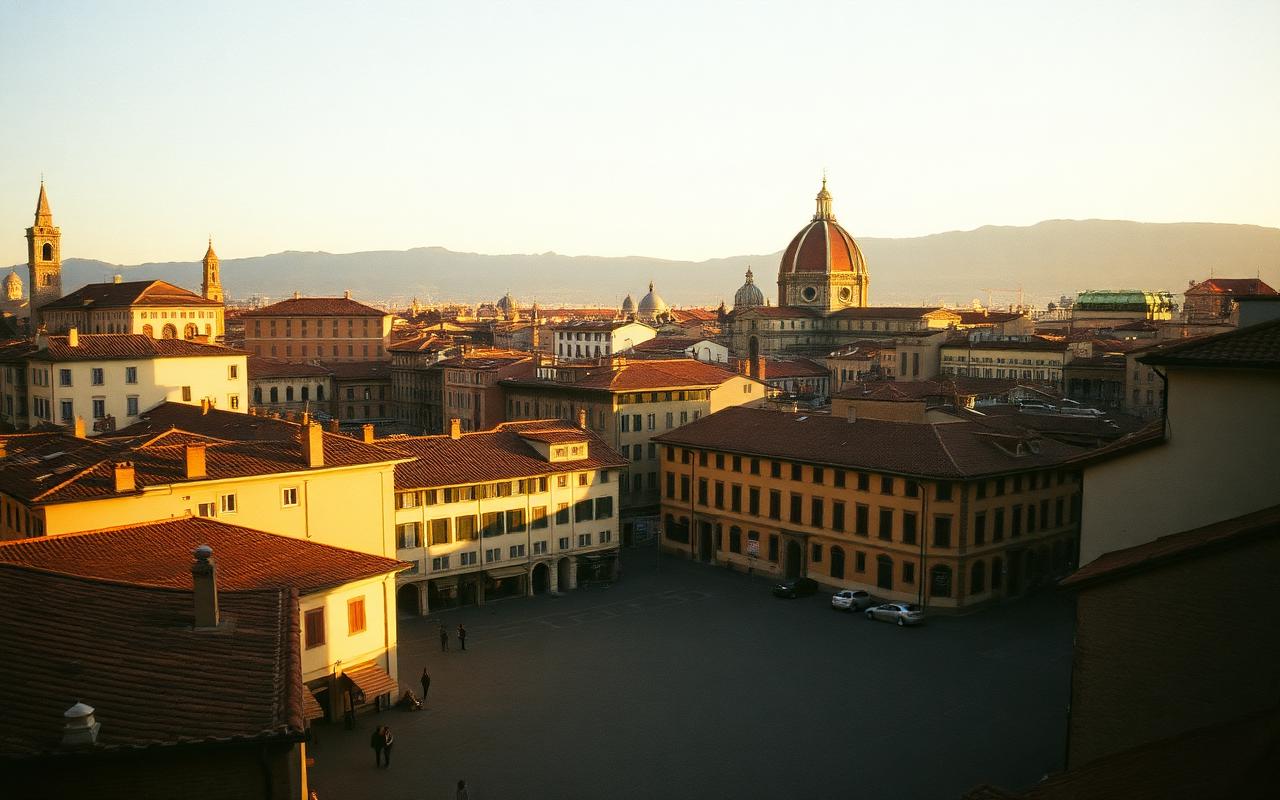
Already covered in the dedicated Florence Landmarks guide, but the summary: this is the Renaissance capital of the world, with the Uffizi, the Duomo, Michelangelo's David, and a food scene (bistecca alla Fiorentina, ribollita, lampredotto) that's more regionally specific and interesting than Rome's. Three to four days minimum.
Venice
There is nowhere else on earth quite like Venice, which makes it essential and overwhelming in equal measure. The best version of Venice: arrive by early evening train, check into your accommodation, walk in any direction, get deliberately lost, find a bacaro (wine bar), eat cicchetti (Venetian tapas), wake up at 6am before the crowds and cruise ship tourists arrive, and experience the canals and squares in their quiet early-morning version. Two to three days is the sweet spot — enough to feel it, not so long that the tourist saturation becomes frustrating.
The Amalfi Coast
Some of the most dramatic coastal scenery in Europe: cliff-hanging villages above turquoise water, lemon groves, and the famous coastal road that terrifies drivers and delights passengers. Positano, Ravello, and Amalfi town are the most visited. Stay in Sorrento for better logistics and day-trip the coast — accommodation in the villages themselves is beautiful but expensive and often logistically difficult.
Tuscany
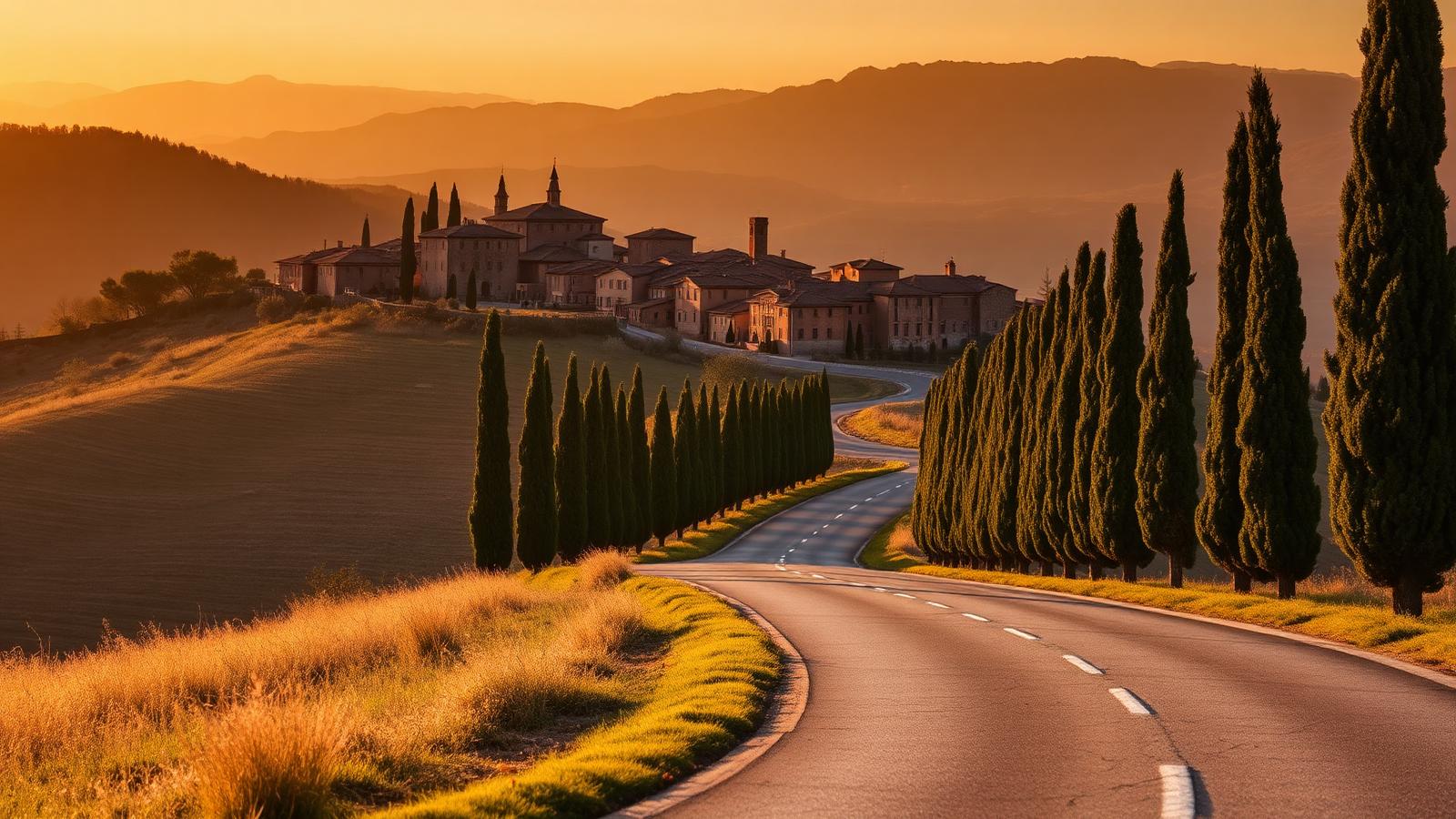
The countryside between Florence and Siena — the Val d'Orcia, the Chianti wine country, the hill towns of San Gimignano and Montepulciano — is one of the great landscape drives in the world. A rental car is essential here. Rail Europe handles the train south from Florence to Siena; Localrent.com or QEEQ for the car if you're exploring the countryside.
Sicily
Italy's largest island is a country unto itself in terms of culture, cuisine, history, and character. Greek ruins older than Rome, Baroque hilltop towns rebuilt after the 1693 earthquake, Mount Etna's lunar landscape, some of the best street food in Europe (arancini, granita, panelle), and beaches that rival the Greek islands. A week minimum. Two is better.
Naples and the South
Naples is chaotic, loud, beautiful, and home to the original pizza. The Campania region contains Pompeii and Herculaneum (both extraordinary), the Amalfi Coast, and the islands of Capri and Ischia. Don't skip Pompeii — it's one of the most extraordinary historical sites in the world and consistently more impressive in person than in photographs.
When to Visit Italy
April to June and September to October are the ideal windows: warm, not scorching, manageable crowds at major sites, and the countryside and coastal areas at their most photogenic. July and August are the most visited months — hot (Rome and the south can hit 38-40°C), crowded, and expensive. However, the beaches and islands are at their best in this period for swimming. December to March is quieter and cold, but with lower prices and the museums without crowds.
Getting Around Italy
Italy's train network is excellent and should be your primary transport tool for moving between major cities. The high-speed Frecciarossa trains connect Rome-Florence in 1.5 hours, Rome-Milan in 3 hours, and Florence-Venice in 2 hours. Rail Europe is the most reliable booking platform for international travelers — book in advance for the best prices, especially on peak travel days.
For Tuscany, Sicily, and anywhere off the main rail lines, rent a car. Omio is useful for comparing bus vs. train options on regional routes where trains aren't direct.
City transport: Rome, Milan, and Naples have efficient metro systems. Trams serve Florence. Venice has no road transport — the vaporetto (water bus) or your feet are your only options.
What to Eat in Italy
The most important Italy food advice: eat regionally. Italian cuisine is local in a way that visitors often don't realize — a dish that's perfect in Naples may not exist in Venice. Research what the specific region you're in is known for and eat that.
Universal truths: have a proper espresso at a counter bar (standing, like Italians do, not sitting — the seated price is genuinely higher). Have pasta that's actually al dente, not the soft-cooked version exported to the rest of the world. Have the local wine, which is always cheaper and often better than anything on the wine list's import section. Eat at lunch — the same restaurant at the same quality level is typically much cheaper at lunch than dinner.
Eatwith connects travelers with local hosts for home cooking experiences — exceptional for getting beyond restaurant food and into genuinely regional home cooking.
Practical Italy Travel Tips
The ZTL (Zona Traffico Limitato): restricted traffic zones exist in the historic centers of most Italian cities and are heavily camera-monitored. Rental cars must not enter these zones without a permit — many tourists receive fines weeks after returning home. Understand the ZTL rules for your rental car before driving anywhere near a city center.
Cash: carry some. Many smaller restaurants, cafés, and market vendors are cash-only. ATMs are plentiful. Decline dynamic currency conversion (DCC) at ATMs — always choose to be charged in local currency.
Luggage: if you're doing a multi-city Italy itinerary, Radical Storage has locations in every major city and many train stations. Checking bags in while you explore a city on a travel day is a much better use of time than lugging them through cobblestone streets.
Connectivity: an Italian or EU eSIM through Airalo or Saily activates the moment you land and keeps you connected throughout the country. Welcome Pickups handles airport transfers reliably in Rome, Milan, Florence, and Naples if you prefer a private transfer over navigating public transport on arrival.
Travel insurance: VisitorsCoverage covers Italy with standard travel medical and cancellation plans — worth having for any international trip but particularly for one where museums, tours, and activities often require advance booking and non-refundable payment.
Italy on a Budget vs. Splurge
Italy at budget level is very achievable: lunch at a trattoria (€10-15), regional wines by the carafe (€6-10), aperitivo hour where many bars put out food with drinks included (€8-12 per drink with a free food spread). The budget gap with high-end Italy is almost entirely accommodation and dinner restaurants. Save money on food, stay slightly outside the historic center, and spend the budget on experiences.
Where to splurge: the one great dinner (find the local special, order the full menu), a night in an agriturismo in Tuscany, or a boat trip along the Amalfi Coast. These justify themselves in memory.
Frequently asked questions
- How many days do you need in Italy?
- Rome-Florence-Venice is the classic first trip and works in 10-12 days at a manageable pace. Add the Amalfi Coast or Tuscany for 14 days. A first Italy trip of fewer than 7 days almost always produces the feeling that you didn't get to see enough.
- Is Italy safe for tourists?
- Italy is very safe for tourists by any objective measure. The primary concerns are pickpocketing in crowded tourist areas (particularly on public transport and at major sites), fake restaurants with menus designed to confuse tourists, and the ZTL driving issues. None of these are serious threats with basic awareness.
- Do you need to speak Italian to travel in Italy?
- Not in tourist areas. English is widely spoken in hotels, restaurants, and at tourist sites. However, basic Italian phrases — per favore (please), grazie (thank you), un caffè, per favore — are welcomed enthusiastically and make interactions warmer.
- What should I not do in Italy?
- Don't put Parmesan on seafood pasta (a genuine faux pas in Italian culinary culture), don't have a cappuccino after noon (it marks you as tourist to any Italian), and don't enter a church with bare shoulders or uncovered legs. All three are easily avoided and make your experience better.
Tools & links from this story
Some links are affiliate. They cost you nothing and keep this site running.
- Kiwi.com — flights and trains into Italy →Compare Rome, Milan and Venice gateways in one search.
- Klook — Italy tours, day trips and skip-the-line →Colosseum, Vatican, Pompeii and Tuscany wine country.
- Tiqets — museum and monument tickets →Timed entry for the Uffizi, Vatican Museums and Borghese.
- Radical Storage — luggage drops nationwide →Every major Italian station has a drop point.
Written by
Meric Erdinc · Founder, 1-Minute Nomad
Meric has spent the last six years moving around Southeast Asia and beyond, with a laptop, a rotating set of Wi-Fi passwords, and an opinion on every co-working space he’s ever stepped into. Rooted in Istanbul, currently working out of Bangkok — though the next flight is usually already booked. He started 1-Minute Nomad for people like him: nomads who don’t have time to read forty Reddit threads to figure out a city. Every guide here comes from a place he’s actually lived, worked or months of on-the-ground research.
Subscribe
Get the next dispatch
One email when a new city guide drops. No spam, no daily noise.