The Suitcase
The Suitcase: Mountain Trip Outfits: What to Wear for Every Adventure
Last updated · 9 min read
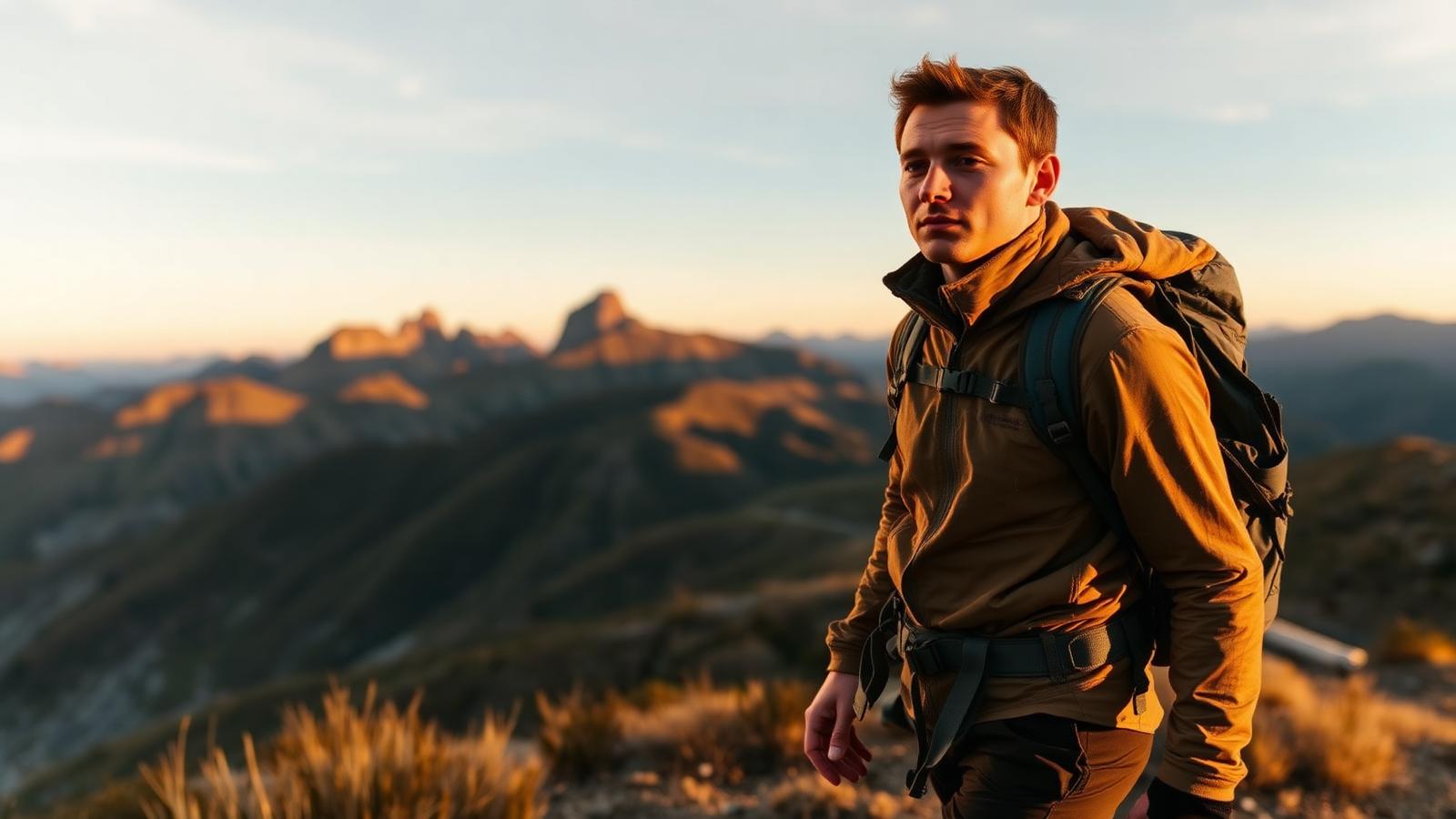
Here's the thing about dressing for a mountain trip: it looks simple until you're shivering in a cotton t-shirt at altitude, or sweating through a fleece on a warm afternoon, and you realize that getting the outfit wrong doesn't just mean discomfort — it can genuinely affect your safety. The mountains have a way of making fashion choices feel more consequential.
That said, mountain trip outfits have come a long way. You don't have to choose between looking good and being prepared anymore. With the right layers and the right fabrics, you can go from a morning hike to a mountain town lunch to a sunset viewpoint without changing outfits entirely. Here's the breakdown.
The Core Principle: Layering
Before we talk specific outfits, let's talk about the system everything is built around. Mountain weather changes fast — temperature can drop 10-15°C (20-25°F) as you gain altitude, and afternoon thunderstorms are common in many mountain regions regardless of what the morning looked like. The layering system is how you handle all of that without hauling a suitcase up a trail.
The three-layer system: base layer (moisture management), mid layer (insulation), outer layer (weather protection). Each layer has a job. When you understand the job, choosing the right piece becomes straightforward.
Base Layer: The Foundation of Every Mountain Outfit
Your base layer sits directly against your skin and its only job is to move sweat away from your body. Cotton fails at this — it absorbs moisture, stays wet, and in cold conditions actively pulls heat away from you. Never wear cotton as a base layer in the mountains. This is not a soft suggestion.
What works: merino wool or synthetic fabrics (polyester blends, nylon). Merino is the gold standard — it regulates temperature, resists odor naturally, and feels genuinely comfortable against skin. A merino long-sleeve shirt is one of the most versatile travel investments you can make. It works as a base layer under a fleece and looks sharp enough to wear alone in a mountain village restaurant.
For bottoms: merino or synthetic leggings as a base, or convertible hiking pants that zip off at the knee and double as shorts. The zip-off option is practical in ways that feel almost magical when the afternoon heats up.
Mid Layer: Your Warmth Engine
The mid layer is where you generate and retain heat. Classic options include fleece jackets, down vests, or synthetic puffer jackets. Each has a use case.
Fleece jackets are versatile and dry quickly — great for active hiking where you're generating body heat and need something you can stuff in your pack when you warm up. A midweight fleece (200g) works across a wide temperature range.
Down vests hit a sweet spot for mountain town exploring — warm torso, free arms, and genuinely stylish enough that you won't feel underdressed at a nicer restaurant. A vest over a merino henley is one of the cleanest mountain trip outfits that actually works on an aesthetic level too.
Synthetic puffer jackets beat down when there's any chance of rain or wet conditions — down insulation loses effectiveness when wet, while synthetic maintains warmth even damp. If you're in a region with unpredictable weather, synthetic is the safer call.
Outer Layer: Weather Protection
Your shell layer keeps wind and rain out. You want something packable — a hardshell or softshell that compresses into its own pocket and adds minimal weight to your pack on clear days. Gore-Tex and similar membranes are the benchmark for waterproofing; softshells offer better breathability and are fine for mild weather but won't hold up in a serious downpour.
The outer layer is where budget constraints often lead people astray. A thin, non-waterproof "windbreaker" from a fast fashion brand is not the same as a proper shell. For day hikes in alpine regions, don't compromise here.
Mountain Trip Outfit Ideas by Activity
The Day Hike Outfit
Base: merino wool t-shirt or long-sleeve depending on temperature. Bottoms: convertible hiking pants or hiking shorts with compression liner. Footwear: mid-cut hiking boots with ankle support and waterproof membrane (non-negotiable if there's any chance of wet trails or river crossings). Layer: fleece in the pack, shell clipped to the outside.
The Mountain Town Exploring Outfit
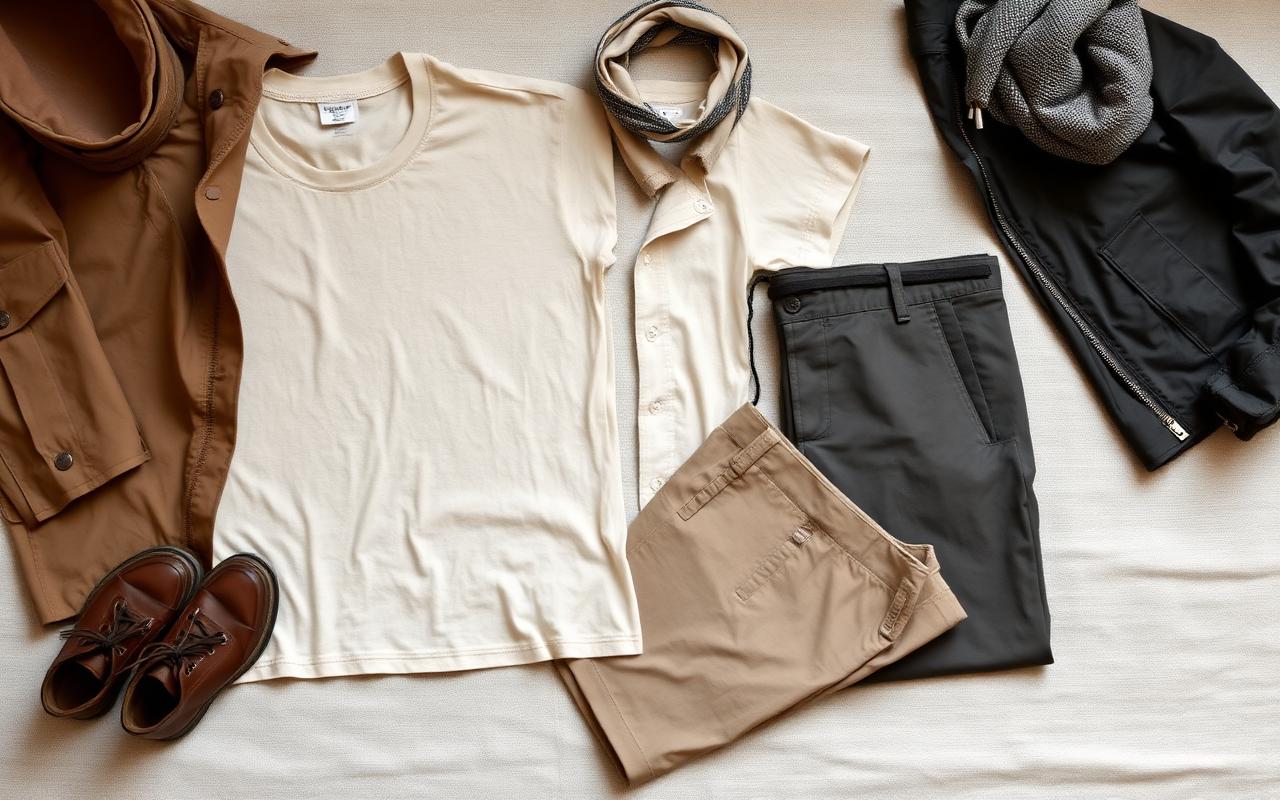
This is the outfit that needs to work for a morning coffee, an afternoon of wandering, and an evening at a local restaurant. Go with merino chinos or dark hiking pants (the ones that don't look like hiking pants), a merino crewneck or henley, a down vest, and clean trail runners or leather boots depending on weather. This outfit photographs well, stays comfortable all day, and doesn't scream "tourist" in the way a full hiking kit does.
The Summit Push Outfit
Full layering system deployed. Base layer, mid layer, hardshell on top. Thin merino gloves and a beanie in the pack even in summer — summit temperatures surprise people. Hiking poles if the terrain warrants it. High-SPF sun protection — UV exposure increases significantly at altitude, and mountain sunburn is no joke.
The Cozy Après-Hike Outfit
You've done the miles. Now you want to be comfortable without looking like you've given up entirely. Merino joggers or relaxed hiking pants, a warm hoodie or chunky knit, and a good pair of trail runners or casual boots. This is the outfit for the mountain lodge, the fire pit conversation, the early dinner.
Footwear for Mountain Trips
Footwear makes or breaks a mountain trip more than any other single item. The hierarchy: hiking boots for trails with any technical terrain, trail runners for well-maintained trails, and a pair of casual shoes or sandals for mountain towns and rest days. Don't try to compress this to one pair — bring at least two options.
Break in new hiking boots before your trip. Blisters on day one of a five-day mountain trip will ruin the experience. Wear your boots for at least several walks before relying on them.
Accessories That Matter
Sun hat or baseball cap: essential at altitude, UV exposure is 10-12% higher for every 1,000 meters gained. Sunglasses with UV400 protection: the alpine sun reflected off snow or pale rock is genuinely damaging. Lightweight merino beanie: fits in any pocket and saves you on cold mornings or surprise summit weather. Gaiters: useful in muddy or snowy conditions, overkill for summer trail hiking.
Packing Smart for Mountain Trips
Capsule wardrobe thinking applies here: a few versatile, high-quality pieces beat a suitcase of cheap options. Seven days in the mountains can be covered comfortably with two base layers, one fleece, one down vest, one shell, two pairs of hiking pants (one convertible), one pair of trail runners, one pair of hiking boots, and merino underlayers. That's it.
If you're mountain biking as part of your trip, BikesBooking.com lets you rent quality bikes at many mountain destinations, which means you don't have to pack or transport your own gear — a significant logistical win.
Before heading out, make sure you have a local eSIM activated — offline maps work, but having live data for weather updates and emergency contacts is a genuine safety consideration. Saily and Airalo both offer affordable plans across most mountain destinations worldwide.
And travel insurance specifically covering outdoor activities is worth the small additional cost. VisitorsCoverage has plans that include hiking, mountain biking, and other adventure sports — standard travel insurance often excludes these.
Frequently asked questions
- Can I wear jeans hiking in the mountains?
- Jeans are not suitable for serious hiking — they restrict movement, take forever to dry when wet, and provide no insulation when damp. For mountain town exploring on flat ground, they're fine. For anything involving a trail, swap them for proper hiking pants.
- What should women wear on a mountain trip?
- The layering principles are identical regardless of gender. Look for women-specific fits in merino base layers, fleece, and hiking pants — the articulated cuts make a real difference in comfort and movement on trail.
- How do I look stylish on a mountain trip?
- Focus on fit and neutral colors. Well-fitting merino layers in earth tones (olive, navy, grey, rust) look pulled-together without trying too hard. A good down vest is one of the most flattering mountain travel pieces across all body types.
- Do I need to bring special clothes for altitude?
- Above 3,000 meters (roughly 10,000 feet), temperatures can drop significantly even in summer. The same layering system applies, but weight all your layers slightly warmer than you think you'll need. Acclimatization also affects your body's ability to regulate temperature, so you may feel colder than usual even at moderate altitudes.
Tools & links from this story
Some links are affiliate. They cost you nothing and keep this site running.
- Klook — guided mountain hikes and adventures →Local guides for summit pushes and via ferrata routes.
- Airalo — eSIM for mountain navigation →Live weather and offline-trail backup data.
- EKTA — travel insurance with outdoor cover →Adds hiking, climbing and mountain biking riders.
- Klook Hotels — mountain town stays →Find a base near the trailhead with parking.
Written by
Meric Erdinc · Founder, 1-Minute Nomad
Meric has spent the last six years moving around Southeast Asia and beyond, with a laptop, a rotating set of Wi-Fi passwords, and an opinion on every co-working space he’s ever stepped into. Rooted in Istanbul, currently working out of Bangkok — though the next flight is usually already booked. He started 1-Minute Nomad for people like him: nomads who don’t have time to read forty Reddit threads to figure out a city. Every guide here comes from a place he’s actually lived, worked or months of on-the-ground research.
Subscribe
Get the next dispatch
One email when a new city guide drops. No spam, no daily noise.