The Suitcase
The Suitcase: Outdoor Travel Needs: Everything to Pack for Your Next Adventure
Last updated · 11 min read
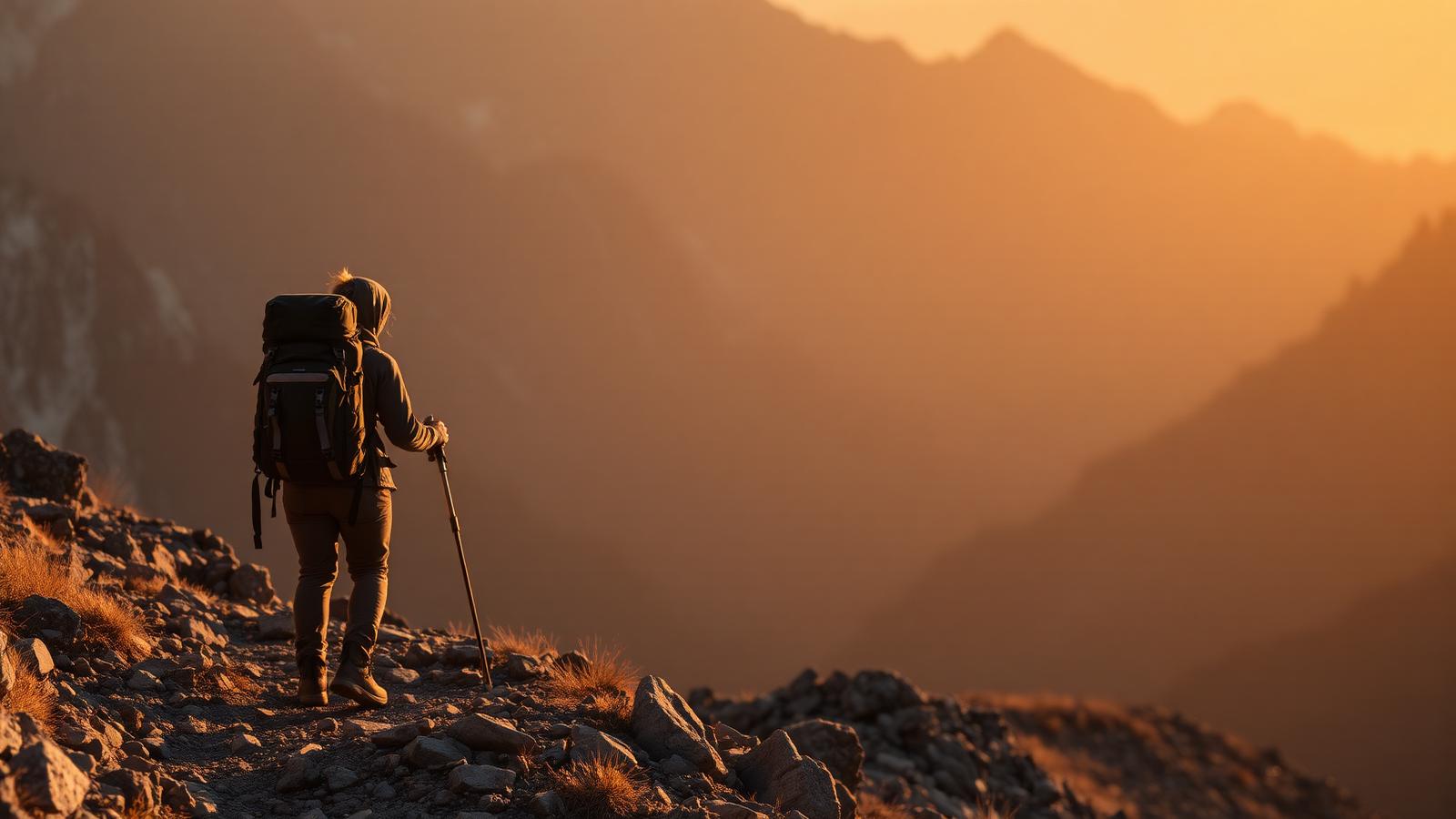
The gap between a good outdoor trip and a great one usually comes down to preparation --- specifically, having the right things at the right moments and not carrying a pound of stuff that never gets used. Experienced outdoor travelers pack lighter over time, not heavier, because they've learned what actually matters when you're 10 kilometers from the trailhead or two days into a camping trip.
This guide covers outdoor travel needs by category, with honest notes on what's essential, what's nice-to-have, and what most beginners overpack.
Navigation
This is the category where cutting corners has real consequences. The outdoor traveler's navigation toolkit for 2025:
Phone with offline maps: download the area maps in AllTrails, Maps.me, or Google Maps before you go. Offline maps don't require signal and work on battery. This is the baseline. A physical map of the area is the backup for areas with complex terrain or where phone battery is a genuine concern.
A reliable eSIM: before dismissing "connectivity" as a non-wilderness concern, consider that emergency services, weather updates, and trail condition reports are all data-dependent. In areas with any cell coverage, Saily and Airalo eSIMs provide the cheapest and most reliable access. In truly remote areas, a satellite communicator (Garmin inReach) is worth considering for multi-day backcountry trips.
Compass: the ability to take a bearing with a compass and map is a skill that matters exactly once in a serious navigation emergency. Worth having, worth knowing how to use.
The Ten Essentials: The Non-Negotiable Core
The "Ten Essentials" is a backcountry framework developed by The Mountaineers in 1930s and refined since. It's structured around systems rather than items:
Navigation (covered above). Sun protection: SPF 50 sunscreen, lip balm with SPF, sunglasses with UV400 protection, sun hat. UV exposure increases 10-12% per 1,000 meters of altitude gain --- this isn't optional at elevation. Insulation: extra layers beyond what you expect to need, including emergency warmth (a space blanket weighs 50g and can be life-saving). Illumination: headlamp with fresh batteries, plus spare batteries. Hands-free is non-negotiable. First-aid supplies: blister treatment is the most-used item by far. Include wound closure strips, antiseptic wipes, pain relief, any personal medications. Fire: a lighter and fire starter (even if you're not planning fires) for emergency situations in cold environments. Repair tools and knife: a multi-tool or folding knife handles most field repairs. Include duct tape wrapped around a water bottle. Nutrition: food beyond one day's minimum, calorie-dense, no cooking required as a backup. Hydration: water plus a purification method (filter or tabs) for any trip where water resupply is uncertain. Emergency shelter: at minimum a emergency bivvy or space blanket. For multi-day trips, your shelter system is your primary gear investment.
Footwear: The Highest ROI Gear Decision
Your feet are your transport. The footwear decision affects everything downstream from it --- comfort, safety, pace, and energy levels at the end of the day.
Trail runners vs. hiking boots: trail runners are lighter, dry faster, and are generally preferred for well-maintained trails and distances under 20km. Hiking boots provide ankle support, better waterproofing, and durability that matters for rough terrain, heavy packs, and multi-day trips. The right answer depends on your specific terrain and load.
Whatever you choose: break them in before the trip. This cannot be repeated enough. Blisters on day one of a five-day hike are a genuinely miserable experience that ruins the trip.
Merino wool hiking socks: the most cost-effective single gear upgrade for most outdoor travelers. They regulate temperature, resist odor far better than synthetic, and reduce blister incidence on long days.
Hydration System
A 1.5-2 liter insulated water bottle (Nalgene, Hydro Flask) for most day hikes. A hydration reservoir (CamelBak or similar) for longer distances and off-trail terrain where you want hands-free drinking access. A backup water filter (Sawyer Squeeze or LifeStraw) for any multi-day trip in wilderness areas --- water availability is rarely the problem; safe water is.
The Daypack Setup
For day hikes: a 20-25 liter daypack fits everything you need without excess weight. Features that matter: hip belt (transfers weight to hips, dramatically reduces shoulder fatigue on long days), hydration reservoir sleeve, and a rain cover or waterproof material. For multi-day: 40-60 liters depending on how long and how camp-intensive the trip is.
Pack heavier items close to your back and near the top of the pack. Put frequently accessed items (snacks, rain jacket, navigation) in easily reachable pockets. This sounds obvious and is consistently forgotten on first packs.
Gear for Specific Outdoor Activities
Mountain Biking
If you're traveling to a destination specifically for mountain biking, renting high-quality local equipment is often more practical than traveling with a bike. BikesBooking.com has rental options at many outdoor destinations worldwide, covering everything from trail hardtails to full-suspension enduro bikes. Gear to bring yourself regardless: helmet (never rent a used helmet), gloves, appropriate eyewear, and your own hydration setup.
Kayaking and Water-Based Activities
Most equipment can be rented locally. Personal gear worth bringing: quick-dry technical clothing, water shoes or sandals, sunscreen (reef-safe for any marine environment), and a dry bag for your electronics. SEARADAR is useful for finding rentals at coastal and lake destinations for those who want to paddle independently.
Winter and Alpine Activities
Layering system (covered in the mountain trip outfits guide) becomes more critical. Add: insulated gloves, waterproof over-mittens for extreme cold, balaclava or face protection for wind exposure, and crampons or microspikes for icy terrain. Avalanche safety equipment (beacon, probe, shovel) for any off-piste snow travel --- these are items that require training to use effectively, not just ownership.
Connectivity and Safety Communications
Even in the outdoors, connectivity matters for safety. A local eSIM through Airalo or Saily provides cell data where coverage exists. For trips into areas without cell service, a personal locator beacon (PLB) or satellite communicator (Garmin inReach) provides the ability to call for help anywhere on the planet --- a significant safety net for serious wilderness travel.
Tell someone your itinerary and expected return time before any serious outdoor trip. Leave a trip plan with someone who will call for help if you don't return on schedule. This costs nothing and saves lives.
Travel Insurance for Outdoor Activities
Standard travel insurance typically excludes "adventure activities" --- meaning that a rescue helicopter after a hiking injury, or a diving medical evacuation, may not be covered. VisitorsCoverage offers plans with adventure activity riders that explicitly cover hiking, mountain biking, kayaking, and other active pursuits. This is worth the additional cost for any trip centered on outdoor activity.
The Gear Minimalism Principle
Experience consistently teaches outdoor travelers the same lesson: carry less. The first-timer packs for every possibility; the experienced traveler packs for probability. Ask of each item: when specifically will I use this, and what is the consequence if I don't have it? High probability of use + high consequence of absence = essential. Low probability + low consequence = leave it.
A lighter pack is more comfortable, allows greater speed and endurance, and reduces the physical stress that leads to injury on long days. The best gear isn't always the most impressive gear --- it's the gear that disappears into your trip and lets you focus on the experience.
Frequently asked questions
- What are the most important things to pack for outdoor travel?
- Navigation capability, water and purification, appropriate clothing layers, first aid, sun protection, and a charged communication device with offline maps. Everything else is contextual and dependent on your specific activity and environment.
- What should I wear for outdoor travel?
- Merino wool or technical synthetic base layer, mid-layer insulation, waterproof shell. Cotton in any capacity is the material to avoid in any environment where getting wet is possible.
- Do I need special insurance for adventure travel?
- Yes. Standard travel insurance usually excludes activities above a certain risk level. VisitorsCoverage offers adventure-specific coverage that protects against the medical and evacuation costs specific to outdoor travel.
- How do I stay connected in remote areas?
- A local eSIM (Airalo or Saily) covers anywhere with cell coverage. For true backcountry: a satellite communicator (Garmin inReach) provides global messaging and emergency SOS independent of cell networks.
Tools & links from this story
Some links are affiliate. They cost you nothing and keep this site running.
- Airalo — eSIM for remote connectivity →Stay reachable even far from city Wi-Fi.
- EKTA — adventure travel insurance →Covers hiking, biking and water sports trips.
- Klook — guided adventures and rentals →Local outfitters when you don't want to haul your own gear.
- GetRentacar — 4WD for trailheads →The car that actually makes it to the trail.
Written by
Meric Erdinc · Founder, 1-Minute Nomad
Meric has spent the last six years moving around Southeast Asia and beyond, with a laptop, a rotating set of Wi-Fi passwords, and an opinion on every co-working space he’s ever stepped into. Rooted in Istanbul, currently working out of Bangkok — though the next flight is usually already booked. He started 1-Minute Nomad for people like him: nomads who don’t have time to read forty Reddit threads to figure out a city. Every guide here comes from a place he’s actually lived, worked or months of on-the-ground research.
Subscribe
Get the next dispatch
One email when a new city guide drops. No spam, no daily noise.