Destinations
Destinations: Paris Travel Guide — How to Experience the City Like a Local
Last updated · 12 min read
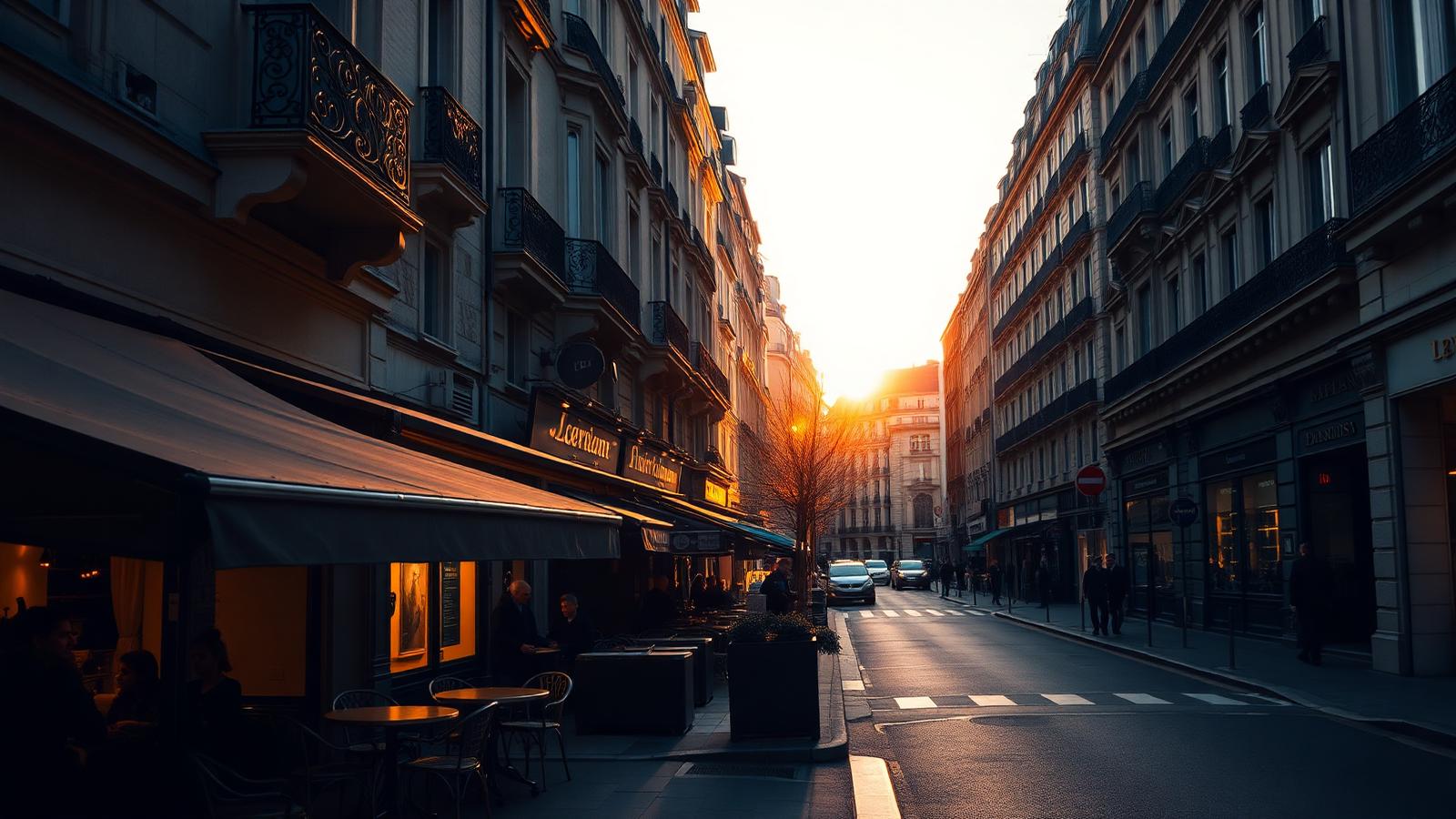
Here is the truth about Paris: it almost certainly won't disappoint you. But it will be different from what you expected --- bigger, louder, more lived-in, more human than the photographs suggest. The clichés (the lights, the food, the architecture) are real. What photographs don't show is that Paris is also a functioning city of 2.1 million people with morning commutes, neighborhood disputes, and an unshakeable confidence in its own way of doing things. Getting close to that version of the city --- not just the monument version --- is what separates a good Paris trip from a great one.
The Iconic Landmarks (Worth Every Tourist's Time)
Start here, because skipping the major Paris sites in an attempt to seem non-touristy is its own form of pretension. The Eiffel Tower, the Louvre, Notre-Dame, the Arc de Triomphe, Sacré-Cœur --- these are iconic for reasons that survive repeated photography and overcrowding. See them. Just do it strategically.
The Eiffel Tower: visit at night when it's illuminated and sparkling on the hour. The queue at the summit is long in peak season; booking tickets months in advance is genuinely necessary from May through September. The view from the Trocadéro across the Seine is the classic angle and works both day and night.
The Louvre: this museum contains 380,000 objects across 72,500 square meters. You cannot see it in a day. Pick two or three sections (Mona Lisa and Italian Renaissance, Greek and Roman antiquities, French painting) and give those your full attention. Tiqets and GetYourGuide both have timed-entry reservations that let you skip the entrance queue. WeGoTrip has excellent self-guided audio tours that add narrative to what you're looking at.
Notre-Dame: reopened in December 2024 following the 2019 fire, rebuilt with extraordinary speed and craftsmanship. Worth visiting specifically to see the restored interior --- it's more luminous than it was before, and seeing it now carries the particular emotion of witnessing something come back to life.
The Neighborhoods: This Is Where Paris Actually Lives
The monuments are the reason you come to Paris. The neighborhoods are the reason you want to stay.
Le Marais (3rd and 4th arrondissements): the most historically layered neighborhood in Paris --- medieval Jewish quarter, aristocratic mansions (hôtels particuliers), contemporary art galleries, excellent falafel on Rue des Rosiers, and more boutique shopping per square meter than almost anywhere in the city. The Place des Vosges --- a perfectly symmetrical 17th-century arcaded square --- is the most beautiful public space in Paris that most visitors don't slow down enough to appreciate.
Saint-Germain-des-Prés (6th): the literary quarter, home to the cafés where Sartre and de Beauvoir worked, the Flore and the Deux Magots (touristy now but historically significant). Also the home of some of Paris's best pastry shops and the Musée d'Orsay --- the impressionist collection that many visitors prefer over the Louvre's scale.
Canal Saint-Martin (10th): the young, creative, genuinely local Paris. Coffee shops, natural wine bars, independent bookstores, and weekend picnics along the canal. This is the neighborhood Parisians themselves visit on days off.
Montmartre (18th): yes, crowded, yes touristy around Sacré-Cœur. But the streets just below the main hill --- Rue Lepic, Place du Tertre before 9am, the vineyard on the hillside --- retain a character that makes the climb worthwhile. Go early morning for the version most people never see.
Where to Eat in Paris
Paris has three things that no city does better: the boulangerie (bakery), the bistro, and the fine dining restaurant. Focus on the first two and you'll eat extraordinarily well at a fraction of tourist restaurant prices.
The bakery morning ritual: walk to the nearest boulangerie displaying an "Artisan Boulanger" sign. Order a croissant and a pain au chocolat. Stand at the counter with a coffee. This costs €3-5 and is one of the best eating experiences Paris has to offer --- superior, genuinely, to any café in the tourist circuit.
Bistro lunch: a €15-18 formule (set menu) at a proper Paris bistro --- entrée, plat, dessert --- is one of the best value meals in any European capital. Seek out blackboard menus, restaurants where French is the primary language at surrounding tables, and places where the wine is poured without ceremony in a carafe.
Eatwith has dining experiences hosted by Parisians in their homes or in local settings --- genuinely excellent for getting beyond the restaurant experience and into French home cooking, which is a different (often better) thing than restaurant food.
Getting Around Paris
The Paris metro is one of the best urban transport systems in the world: cheap, frequent, and comprehensive. The new Navigo Easy card (loaded with single tickets or day passes) is the best option for most visitors. Line 1 covers the main tourist corridor (Louvre, Champs-Élysées, Eiffel Tower area). Line 14 is automated and fast.
Walking: Paris's arrondissements spiral outward from the city center, and the central ones (1st-6th) are highly walkable. Many of the best Paris experiences happen on streets between destinations rather than at destinations themselves.
Arriving by train: Rail Europe handles Eurostar from London (2.5 hours), TGV from Amsterdam (3.5 hours), and high-speed connections from Brussels, Lyon, and Bordeaux. Arriving into Gare du Nord or Gare de Lyon puts you directly into the city with metro connections immediately available. Omio is useful for comparing train options from other French and European cities.
The Paris Museums: What's Actually Worth It
The Musée d'Orsay has the impressionist collection --- Monet, Renoir, Degas, Cézanne, Van Gogh --- in a converted railway station with extraordinary architecture. It's smaller and more focused than the Louvre and often produces stronger emotional responses. Book in advance; it's one of the most visited museums in Europe.
The Musée de l'Orangerie in the Tuileries Garden: Monet's Water Lilies in two oval rooms specifically designed by the artist. One of the most peaceful museum experiences in the world. Much shorter queues than the Orsay or Louvre.
The Palais Royal: not a museum, but a garden and arcade complex that's free, beautiful, and consistently undervisited. Perfectly Parisian in its combination of beauty and total lack of fuss.
Practical Paris Tips
Language: unlike the reputation, most Parisians in tourist contexts speak serviceable English. Starting any interaction with "Bonjour" (not "Excuse me" or "Hey") makes an immediate positive difference. Parisians respond to basic courtesy with consistent warmth. The reputation for coldness is largely a product of visitors skipping the greeting.
Luggage: if you're changing accommodation or doing a day in Paris before an evening train south, Radical Storage has locations throughout the city. Depositing bags and moving freely through the city is the correct decision every time.
Connectivity: an EU eSIM through Airalo or Saily covers France on high-quality networks. Useful for metro navigation, Google Translate (extremely helpful for menus), and instant upload of the photos you're definitely taking.
Safety: Paris's tourist areas have pickpocket activity, particularly on the metro and at major tourist sites. Use a front-facing crossbody bag, keep phones in inner pockets, and stay aware in crowded areas. Beyond that, Paris is a very safe city by any international standard.
When to Visit Paris
April-June and September-October. Spring Paris --- cherry blossoms in the parks, café terraces reopening, long evenings --- is the version most people are picturing when they say they want to visit Paris. September-October brings autumn light that makes the city look like an Impressionist painting and significantly thinner crowds than summer. July-August is peak tourist season: hot, crowded, but with the city's summer events including Bastille Day (July 14) and Paris Plages (artificial beaches along the Seine).
Frequently asked questions
- How many days do you need in Paris?
- Four days is the comfortable minimum for the main highlights without feeling rushed. Five to seven days allows the neighborhoods, day trips (Versailles, Giverny, Champagne region), and the slower pace that makes Paris reveal itself properly.
- Is Paris expensive?
- Paris is expensive for accommodation and high-end dining, but the mid-range options --- bakeries, bistros, wine bars, and market food --- are very reasonable by Western European capital standards. Budget €100-150 per day for comfortable mid-range travel including accommodation.
- What is the best area to stay in Paris?
- Le Marais for culture and accessibility, Saint-Germain for the literary romance of it, Bastille or République for a more local feel, and anywhere near a major metro line for practical purposes. Avoid accommodation advertised as "near Disneyland" unless that's actually your destination.
- Is Paris worth visiting?
- Yes. Every time. Repeatedly. Even visitors who've been many times find that Paris offers something different at each stage of life --- the city is large enough and layered enough that it reads differently at 22, 35, and 55. It's one of those rare places that genuinely improves the more you know about it.
Tools & links from this story
Some links are affiliate. They cost you nothing and keep this site running.
- Tiqets — skip-the-line museum tickets →Louvre, Orsay and Orangerie timed entry.
- Klook — Paris tours and experiences →Day trips to Versailles, Champagne and Giverny.
- Airalo — France eSIM →Metro maps and translation from the moment you land.
- Radical Storage — luggage drop in Paris →Free your day between hotel checkout and the evening train.
Written by
Meric Erdinc · Founder, 1-Minute Nomad
Meric has spent the last six years moving around Southeast Asia and beyond, with a laptop, a rotating set of Wi-Fi passwords, and an opinion on every co-working space he’s ever stepped into. Rooted in Istanbul, currently working out of Bangkok — though the next flight is usually already booked. He started 1-Minute Nomad for people like him: nomads who don’t have time to read forty Reddit threads to figure out a city. Every guide here comes from a place he’s actually lived, worked or months of on-the-ground research.
Subscribe
Get the next dispatch
One email when a new city guide drops. No spam, no daily noise.