The Suitcase
The Suitcase: The Ultimate Summer Camp Packing List (So You Don't Forget Anything)
Last updated · 10 min read
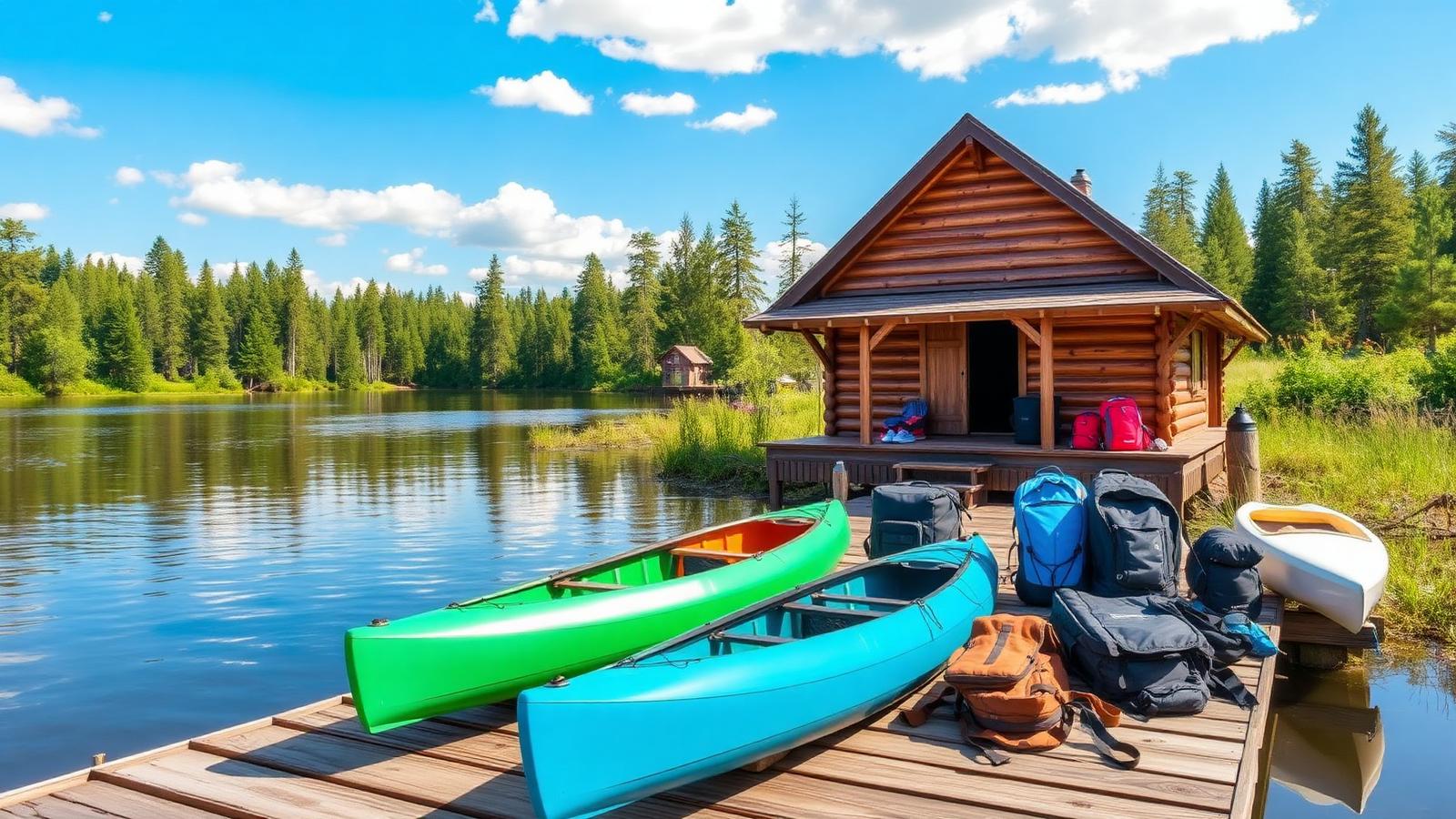
The week before summer camp has a specific energy: excitement that tips over into mild panic when you realize your packing list has twelve items and you probably need sixty. Whether you're preparing a child for their first overnight camp, packing a teenager for a multi-week program, or heading to an adult camp or retreat yourself, the principle is the same --- arrive prepared and you'll have a great time; arrive unprepared and you'll spend the first three days problem-solving.
This summer camp packing list covers everything, organized by category, with notes on what actually matters versus what takes up space and comes home unused.
Clothing: The Real Numbers
Camp clothing math is different from vacation clothing math. Things get dirty faster, worn harder, and occasionally lost. The standard guidance: bring enough to go 7-10 days without laundry. For most camps, that means:
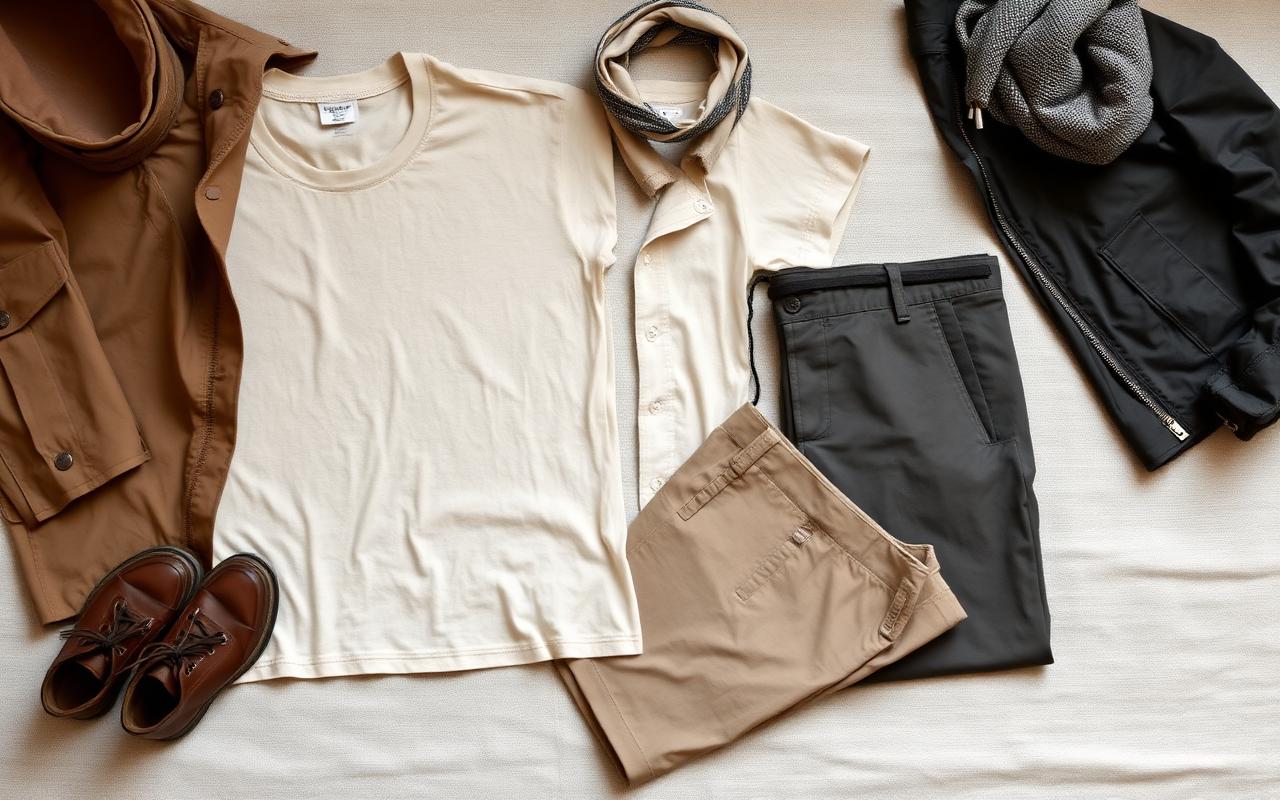
T-shirts or activity shirts: 8-10. Pack more than you think. Camp is active, days are warm, and shirts get worn through fast. Shorts: 5-6. Jeans are not camp wear --- they take forever to dry, restrict movement, and get uncomfortable when you're active all day. Leggings or comfortable pants: 2-3. Good for cooler mornings and evenings. Long-sleeved shirts or lightweight hoodies: 3-4. Evenings around a campfire get cold even in summer. Socks: 10-12 pairs. Camp chews through socks. Underwear: 10-12. Same logic. Swimwear: 2-3. So there's always a dry option after the waterfront. Pajamas: 2 sets. Rain jacket or windbreaker: 1, waterproof preferred. Fleece or warmer jacket: 1 for cold nights. Closed-toe shoes: 2 pairs. Sneakers for activities, trail runners or hiking shoes for hikes. Water sandals: 1 pair. Dress clothes: check if your specific camp has a dressy dinner or event --- most have at least one. Hat: 1-2, one with a brim for sun protection.
Sleeping and Bunk Essentials
Sleeping bag: check the camp's temperature range --- summer camps in mountain regions can get genuinely cold at night even in July and August. A bag rated to 10°C (50°F) is a safe minimum. Pillow: a travel-sized one is easier to transport. Twin bed sheets or a sleeping bag liner: some camps have beds rather than bunks with sleeping bags --- check in advance. Small fan: if bunks don't have AC, a battery-powered or USB fan is genuinely appreciated by bunkmates and cabin counselors alike. Earplugs: optional but recommended, especially for light sleepers sharing a bunk with 10 people. Headlamp or small flashlight: essential for midnight bathroom trips. Extra batteries or a charging cable for rechargeable models.
Toiletries and Health
Sunscreen: multiple bottles, SPF 50, reef-safe if there's lake or ocean swimming. Insect repellent: DEET-based for genuine bug protection in wooded areas. Aftersun lotion. Lip balm with SPF. Shampoo, conditioner, body wash, toothbrush, toothpaste. Deodorant (this becomes critically important by week two). Feminine hygiene products if relevant --- bring more than you expect to need. Personal medications, clearly labeled with dosage instructions. First aid basics: bandaids, blister treatment pads, antiseptic wipes. The camp nurse will have supplies, but having your own for minor issues is convenient. Towels: 2-4 depending on camp length. They take long to dry in humid environments.
Gear and Activity Equipment
Backpack or daypack: for hikes and day trips. Reusable water bottle: a 1-liter insulated bottle is the standard. Some camps provide these. Padlock: if lockers or storage trunks are provided. Laundry bag: keeps dirty clothes separated and makes laundry day much easier. Waterproof bag or dry sack: for swimming sessions and waterfront activities. Binoculars: optional but genuinely wonderful for bird-watching, stargazing, and any camp with nature programming. Journal and pens: the best camps produce experiences worth writing down. Books: bring fewer than you think; camps are busy.
Electronics and Communication
This varies enormously by camp policy --- many ban phones entirely for younger campers, which is honestly part of the value of the camp experience. Check the policy first.
If electronics are allowed: phone and charger, portable power bank (a lifesaver when outlets aren't available during activities), camera if photography is a camp interest or activity. If the camp has WiFi and you're a counselor, leader, or older camper: NordVPN is worth having for secure browsing on shared camp networks. For international camps or programs abroad, a local eSIM through Saily or Airalo keeps you connected without roaming charges.
For Younger Campers: The Extras
Stuffed animal or comfort item if relevant --- most camps accept these for younger campers and they matter more than adults typically acknowledge. Pre-stamped addressed envelopes if the camp has a letter-writing tradition. Family photo to put on the bunk. A small amount of spending money for camp stores if applicable.
What NOT to Pack for Summer Camp
Expensive jewelry, valuable electronics, or anything you'd be devastated to lose. Candy and food in bunks (it attracts animals and causes cabin conflict). Too many books or activities --- camps provide programming, and over-packed entertainment goes unused. Excessive clothing choices --- camp simplifies life by design, and 30 outfit options work against that. Aerosol sprays in some camps' fire-restricted areas --- check restrictions.
The Labeling System That Actually Works
Every single item should be labeled with the camper's name. Not just the expensive things --- socks, underwear, water bottles, sunscreen. Items migrate between bunks, laundry gets mixed up, and camps lose more labeled items than unlabeled ones each summer. Iron-on labels or a laundry marker on fabric tags is the minimum. Waterproof labels on hard items.
A packing master list --- kept on your phone and brought to the collection day --- makes return packing at the end of camp significantly easier and reduces the number of orphaned single socks that come home confused.
The Week-Before Checklist
Wash all new clothing before packing --- new fabric is stiffer and less comfortable. Break in any new footwear before arriving. Charge all electronics and power banks. Fill all toiletry bottles and check quantities. Confirm camp-specific requirements --- some programs have specific gear requirements (ropes course, specific water sport equipment, instruments for music camps) that need to be arranged in advance.
Travel Insurance for Camp
For families sending children to camp programs abroad or domestic wilderness programs, activity-specific travel insurance is worth considering. VisitorsCoverage offers plans that cover outdoor activity medical costs, including the kind of minor injuries that camps regularly see.
Frequently asked questions
- How many days in advance should I start packing for summer camp?
- Start the packing list at least two weeks before departure. Begin collecting and purchasing items one to two weeks out. Final packing should happen two or three days before so nothing critical gets used or forgotten at the last minute.
- What should a first-time camper bring?
- All the practical items above, plus a flexible mindset. The social adjustment --- sleeping in a group, shared schedules, no parental buffer --- is the bigger transition than any physical item. Practical comfort items (familiar pillow, family photo, a favorite book) ease that transition meaningfully.
- Can I bring snacks to summer camp?
- Depends entirely on camp policy. Many camps prohibit food in bunks due to animals and fairness concerns. Check the handbook. When in doubt, leave the snacks home.
- What clothes are best for summer camp?
- Quick-dry fabrics, comfortable fits, and nothing you'd be upset to see stained, torn, or lost. Camp is hard on clothing. The goal is functional and replaceable, not stylish.
Tools & links from this story
Some links are affiliate. They cost you nothing and keep this site running.
- Airalo — eSIM for camp counselors and older campers →Coverage without a roaming bill.
- EKTA — activity-friendly travel insurance →Camp programs and outdoor activity riders.
- Klook — outdoor experiences near camp →Add-on activities for parents during drop-off week.
Written by
Meric Erdinc · Founder, 1-Minute Nomad
Meric has spent the last six years moving around Southeast Asia and beyond, with a laptop, a rotating set of Wi-Fi passwords, and an opinion on every co-working space he’s ever stepped into. Rooted in Istanbul, currently working out of Bangkok — though the next flight is usually already booked. He started 1-Minute Nomad for people like him: nomads who don’t have time to read forty Reddit threads to figure out a city. Every guide here comes from a place he’s actually lived, worked or months of on-the-ground research.
Subscribe
Get the next dispatch
One email when a new city guide drops. No spam, no daily noise.