Munich · Germany
Munich in 1 Minute: Bavaria's Business-Grade Nomad Base
Last updated · 1 min read
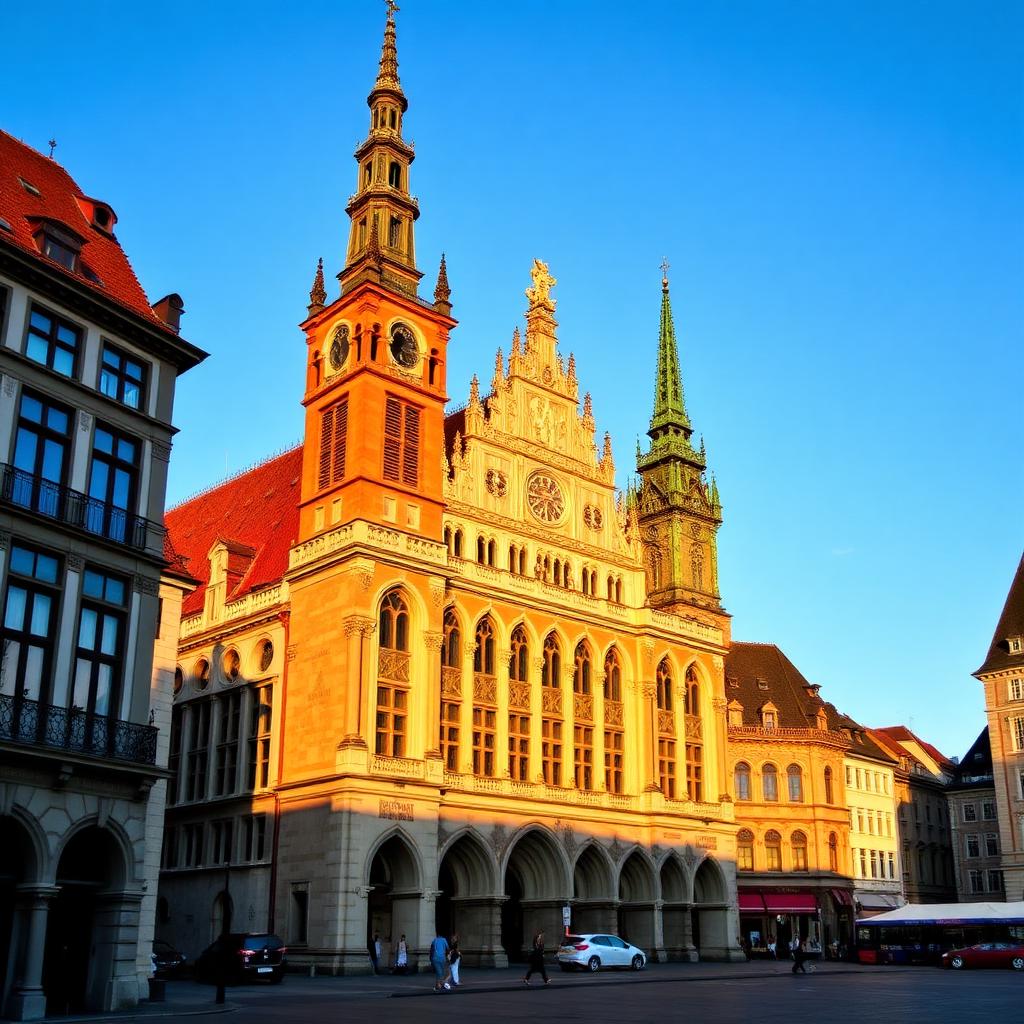
Munich is Germany's most polished big city — clean, efficient, and packed with green space. It is priced closer to Zurich than Berlin, but delivers a quality of life to match.
Where to base yourself
Glockenbachviertel is the most nomad-friendly — cafés, coworking and walking distance to Marienplatz.
Schwabing near the university is livelier and slightly cheaper for month-plus stays.
Safety, visas, cost
Munich is consistently ranked the safest major city in Germany — public transit at 2 a.m. is normal.
Fiber is standard at 250 Mbps–1 Gbps. Coworking spaces like Mindspace and WeWork are business-grade.
EU passports settle freely. Non-EU nomads use Germany's Freiberufler visa or Blue Card; there is no dedicated nomad visa but the Freiberufler path is well-established.
A comfortable nomad month runs €2,400–3,400 including a central one-bedroom, groceries and eating out a few times a week.
One thing nobody tells you
Sundays are genuinely closed — supermarkets, most shops, everything. Locals plan Saturday shopping around it. Miss the rhythm and you will eat cold cuts on Sunday night.
Plan this trip
If Munich made the shortlist, the rest is logistics. Most nomads we hear from start by comparing flights into the closest hub, then lock in a base — a serviced apartment or hotel for the first week buys time to scout neighborhoods without overcommitting. Land with data already working by setting up an eSIM before boarding, and book an airport transfer so the first hour in town is calm instead of chaotic.
Once you're in, the city opens up faster with a little planning. We use Klook for guided tours and day trips, Tiqets for skip-the-line museum and attraction tickets, and KKday for the more local experiences the big platforms miss. A self-paced audio walking tour is the cheapest way to learn a neighborhood on day one. Travelling carry-on only? Drop your bags at a verified luggage locker between check-out and your evening flight. And because long stays mean real risk, we don't leave home without proper travel insurance — and we keep AirHelp bookmarked for the day a flight gets delayed or cancelled.
Related city guides
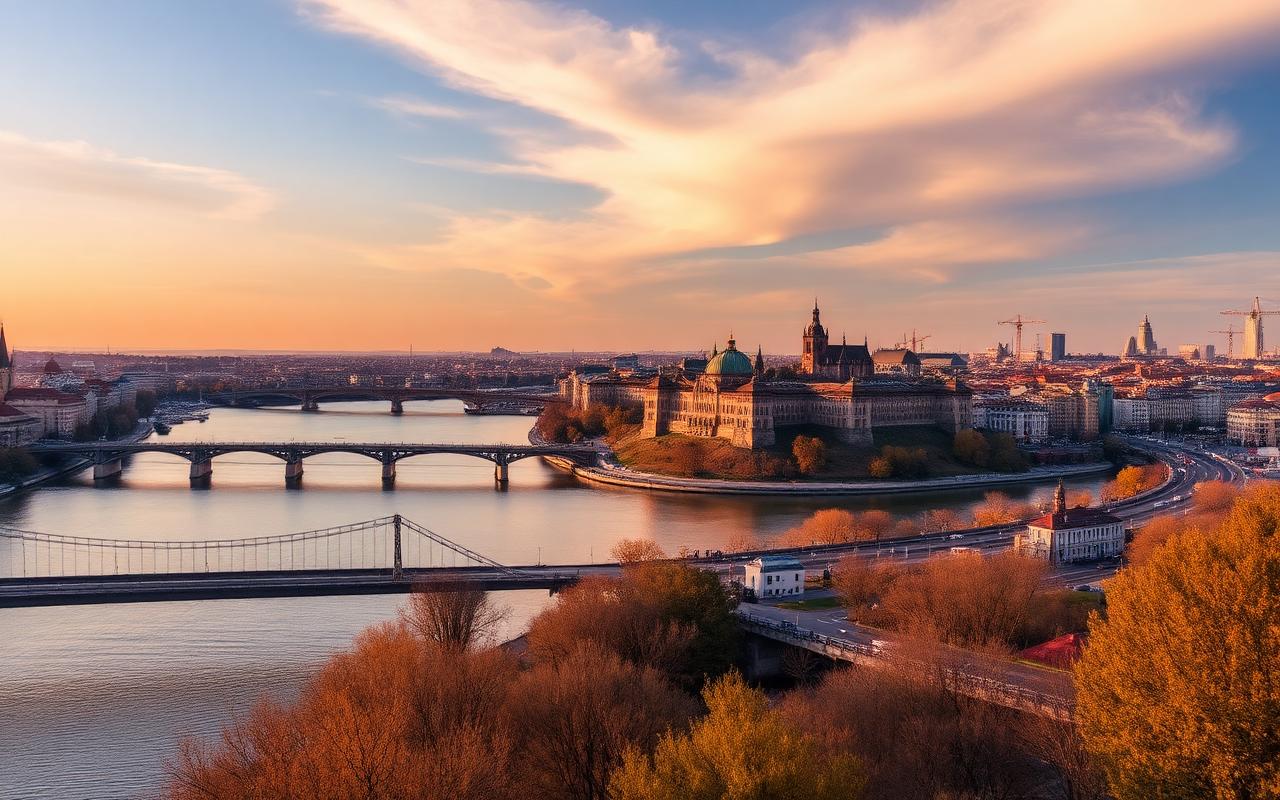
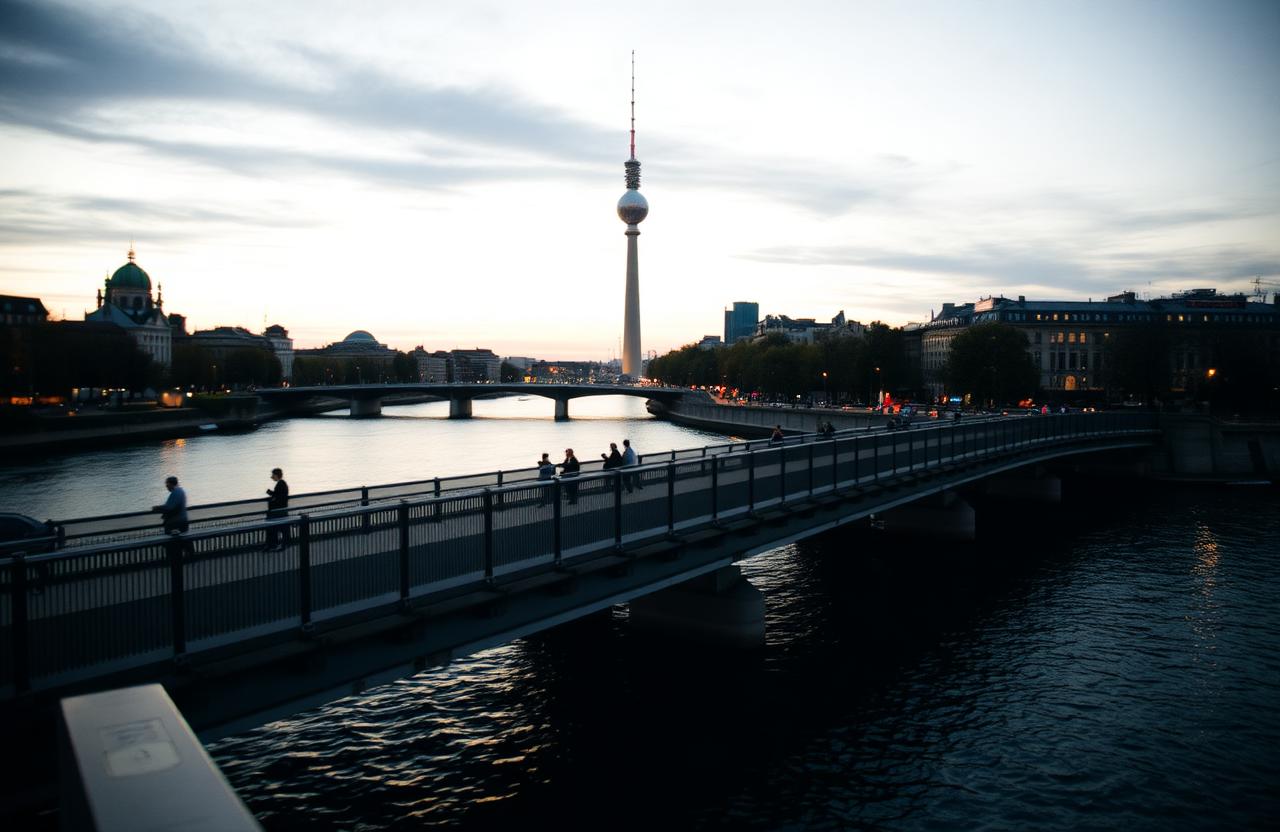
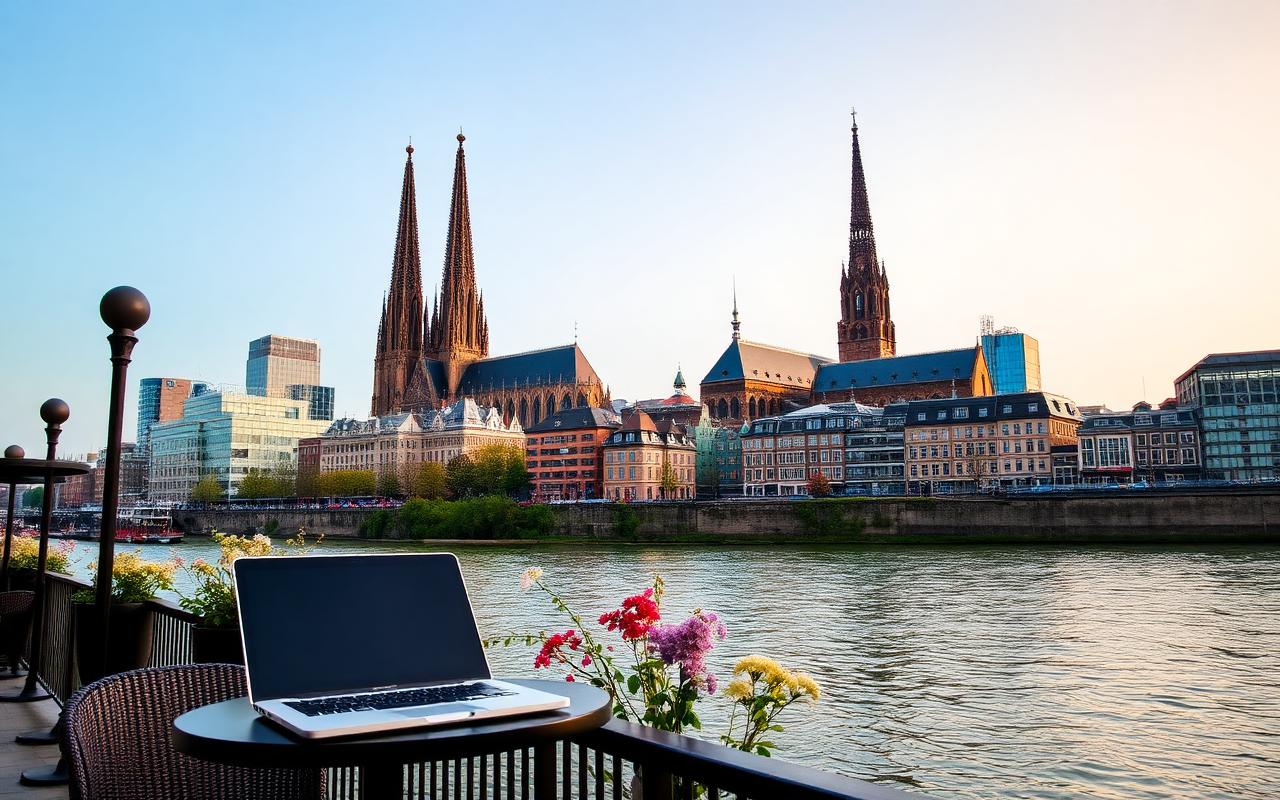
If Munich fits your vibe, you’ll probably also like Belgrade for digital nomads, Berlin for digital nomads, Cologne for digital nomads, and Kraków for digital nomads. Or zoom out to every nomad city in Germany and across Europe. If you’re planning around the calendar, Munich also shows up in our summer in europe picks. Browse every guide on the full city library or head back to the blog index for the latest nomad essays.
How Munich compares
Safety · Visa · Monthly cost
| City | Safety | Visa | Monthly cost |
|---|---|---|---|
| MunichGermany | Very high · Safest big city in DE | EU free · Freiberufler / Blue Card | €2,400–3,400 |
| BelgradeSerbia | High · Very safe city center | 90/180 visa-free (most passports) | €800–1,300 |
| BerlinGermany | High · Generally very safe | Freiberufler — up to 3 years | €1,800–2,500 |
| CologneGermany | Very high · Standard city awareness | Schengen 90/180 | €1,800–2,600 |
| BangkokThailand | High · Solo-female friendly | DTV — up to 180 days | $1,400–2,000 |
Written by
Meric Erdinc · Founder, 1-Minute Nomad
Meric has spent the last six years moving around Southeast Asia and beyond, with a laptop, a rotating set of Wi-Fi passwords, and an opinion on every co-working space he’s ever stepped into. Rooted in Istanbul, currently working out of Bangkok — though the next flight is usually already booked. He started 1-Minute Nomad for people like him: nomads who don’t have time to read forty Reddit threads to figure out a city. Every guide here comes from a place he’s actually lived, worked or months of on-the-ground research.