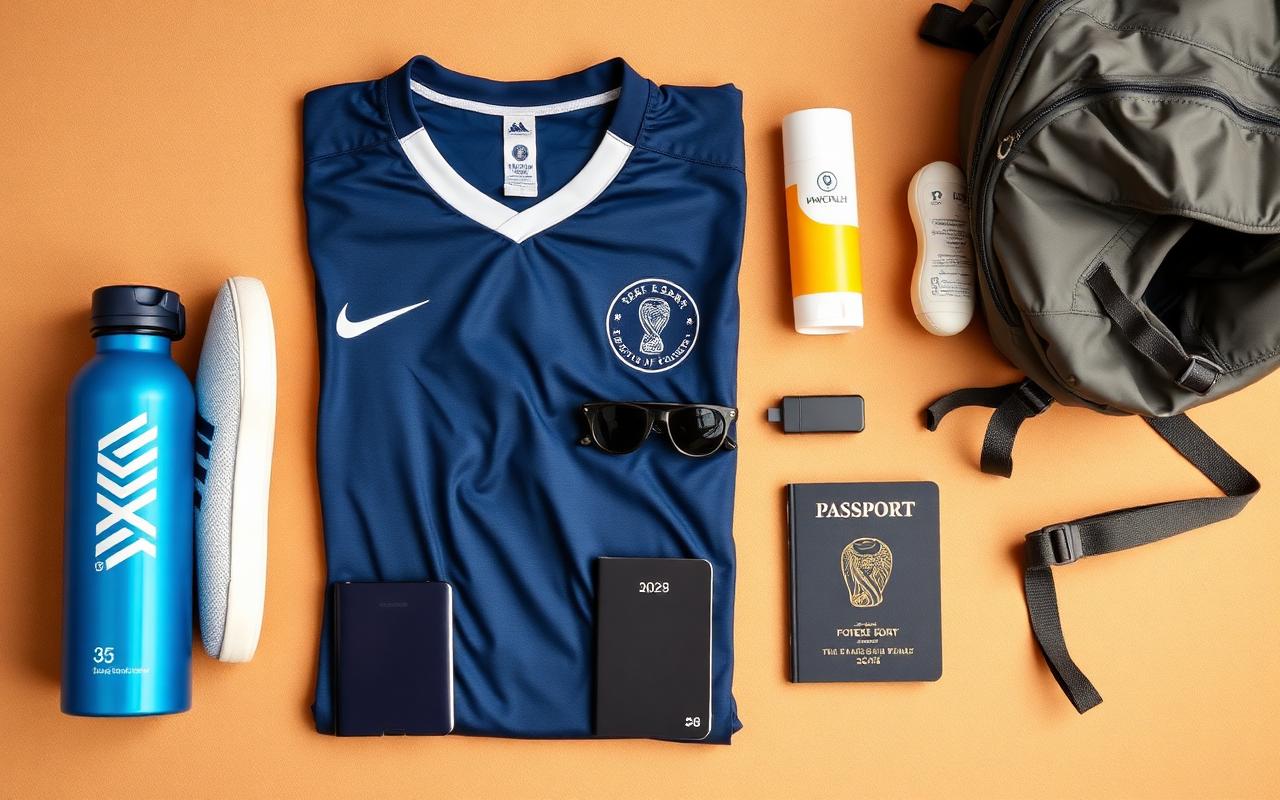
The Suitcase
The Ultimate Carry-On Packing List for Long-Term Travelers
Last updated · 9 min read
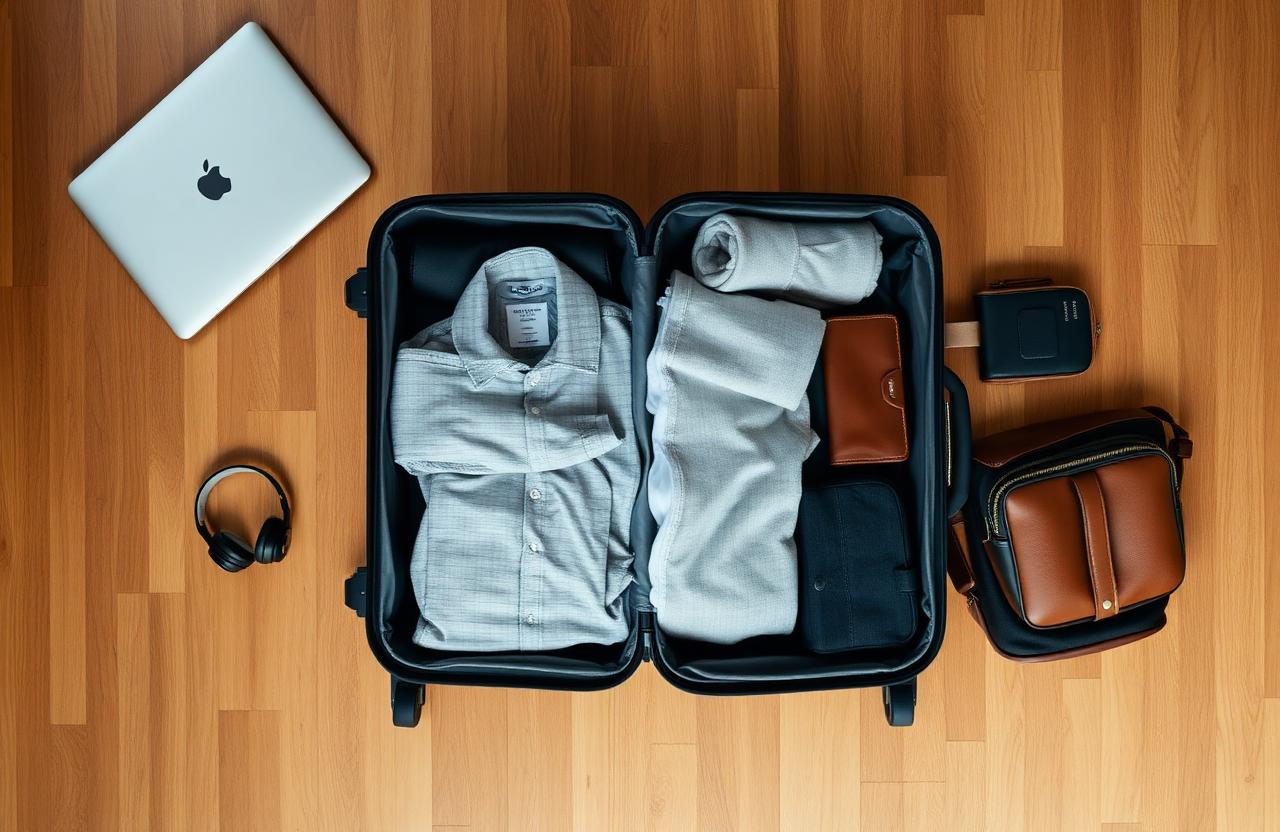
There's a packing philosophy that sounds extreme until you've done it once: everything in a carry-on, no checked bags, regardless of how long the trip is. After that first trip where you walk off the plane and out of the airport while everyone else waits at baggage claim, you become a convert.
This isn't about minimalism as a lifestyle statement. It's about efficiency. Carry-on travel removes an entire category of things that can go wrong, reduces your daily physical overhead, and makes spontaneous changes to your itinerary actually possible. Here's how to make it work for trips lasting weeks or months.
The bag itself
The right bag makes everything else easier. You want something that fits in overhead bins across the widest range of airlines (the stricter European low-cost carrier dimensions are the limiting constraint: usually 55x40x20cm or similar). Within those constraints, you want maximum volume, comfortable carry, and preferably one you can also use as a daypack once you arrive.
Hard cases work for short trips but are less practical for long-term travel. A structured soft-sided bag with a dedicated laptop section and some external pockets is the most versatile option. Pack it before you buy it — different layouts suit different packing styles, and it's hard to know from looking at photos whether the internal organization actually works for how you pack.
Clothing: the math
The formula that works for most long-term travelers is a rough 3-2-1 base:
- 3 tops (one warmer layer that can double as outerwear)
- 2 bottoms (one that works for both casual and slightly more formal settings)
- 1 dress or multi-purpose piece if relevant
- 3-4 pairs of underwear
- 3 pairs of socks
- 1 pair of shoes on your feet + 1 pair of lighter footwear in the bag (sandals or packable sneakers)
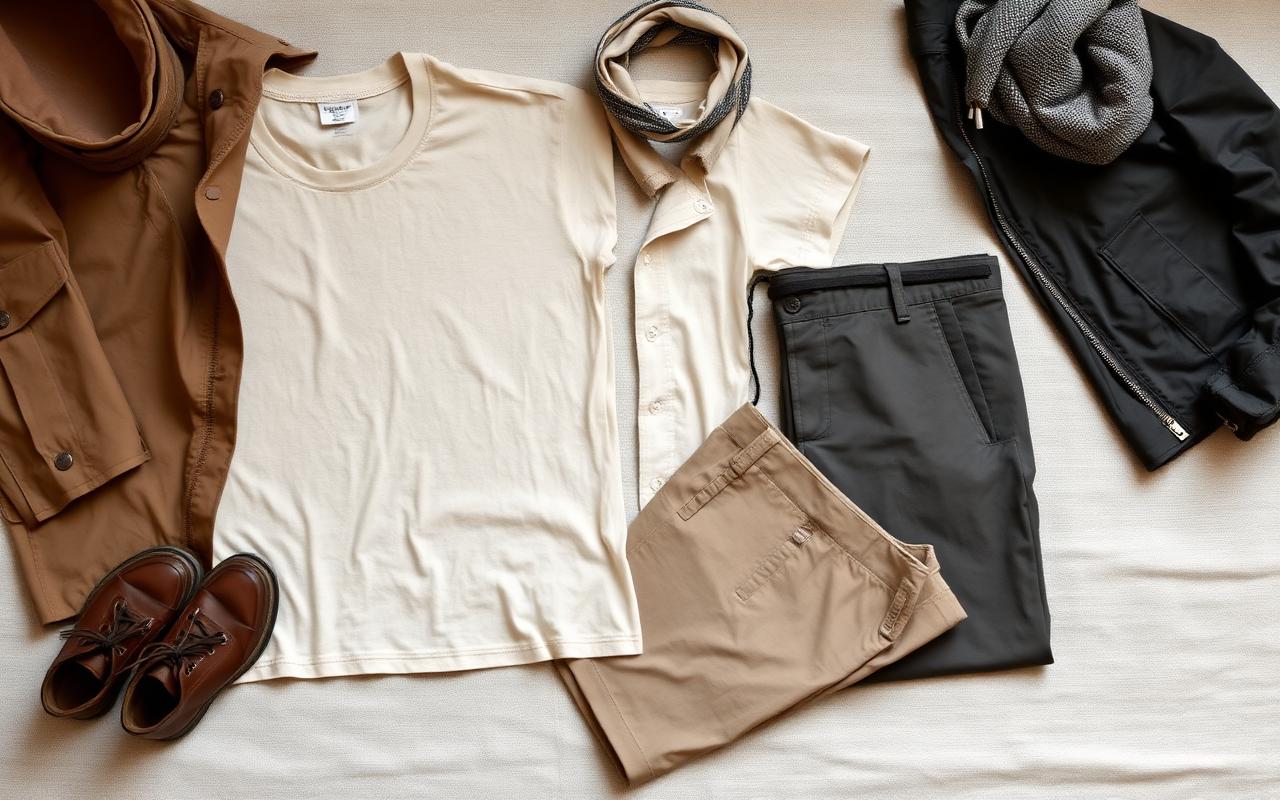
This sounds sparse. With access to laundry every 3-4 days, it's not. The key is choosing pieces that work in multiple contexts (a linen shirt that works for dinner, a lightweight merino layer that works as a base or a mid-layer), and that dry quickly if you're handwashing.
Merino wool, specifically, earns its reputation for long-term travel. Expensive upfront, genuinely different in practice — it's odor-resistant, temperature-regulating, and durable enough to survive regular wear across months without looking worn.
Toiletries and health
The principle here is small and replaceable. Anything that can be bought at a pharmacy in most countries doesn't need to come from home. Shampoo, conditioner, sunscreen, basic medications — purchase them locally and don't carry larger quantities than you'll use in transit.
What's worth carrying from home:
- Prescription medications (plus a copy of the prescription)
- Contact lenses if you use them
- A small first aid kit (plasters, antiseptic wipes, rehydration sachets, ibuprofen)
- Any specific skincare products you rely on that aren't universally available
The limit: all liquids in a one-liter bag, all under 100ml individually. If you're traveling long enough that you'll run out, buy the replacement locally.
Health-wise, the other thing to sort before the flight is travel insurance built for longer trips rather than a single-weekend policy. Pharmacies abroad are fine; international hospital bills are not.
Tech and connectivity
This is where the real weight and volume risks live. It helps to be ruthless.
What almost every long-term traveler genuinely needs: laptop, phone, chargers for both, a lightweight power bank, headphones (one pair, ideally noise-cancelling for transport), a universal travel adapter.
What many people pack but rarely use: tablets (your phone and laptop are almost always sufficient), multiple cameras (one good phone camera plus one dedicated camera if photography is central to the trip), excessive cable quantities.
For connectivity, an Airalo eSIM is the cleanest solution currently available. It's an eSIM marketplace that covers over 190 countries — you buy and activate a data plan before you leave, without swapping physical SIMs or hunting for a local carrier at the airport. Plans are available per country or by region, and the interface is simple enough that setup takes about five minutes. For carry-on travelers especially, one fewer piece of physical infrastructure to manage is meaningful.
Yesim is a similar eSIM option with its own network advantages in certain regions, and is worth comparing depending on your destination. Both offer the same core convenience: data working before you land. Pair either with a VPN on the laptop and phone so you can actually work from café and hotel networks without paranoia.
Documents and money
Physical copies of important documents, stored separately from the originals, remain worth having despite everything being digital. Passport photo page, visa confirmations, insurance documents, accommodation bookings. A small folder or document wallet in a secondary compartment.
Two cards from different networks, ideally one with no foreign transaction fees. Cash in the local currency of your first destination. Most other currency needs can be handled via ATM on arrival.
The "maybe" pile discipline
Every packing attempt produces a pile of items you can theoretically justify. This is fine. The discipline is in what you do with that pile.
The test: have I used this on a previous trip of similar type and length? If yes, it goes in. If it's hypothetical or "just in case" (and the case involves a scenario more specific than a universal emergency kit), it usually doesn't.
The trap is packing for the worst case. The worst case is that you need to buy something locally. That is not a catastrophe. In most countries, you can find most things. The certainty of carrying something heavy and unnecessary every day is a worse outcome than the small chance of needing to buy something upon arrival.
What you actually save
The concrete benefits of carry-on only travel, enumerated:
- No baggage fees on low-cost carriers (often €30-60+ per flight)
- No waiting at baggage claim (15-45 minutes, consistently)
- No risk of lost or delayed luggage
- The ability to take the fastest route from any transit point (stairs, run if needed)
- Flexibility to change flights same-day without bag logistics
- Moving around a new city on day one without needing to find your hotel first
None of these are hypothetical. They're things carry-on travelers experience on every trip, and they compound meaningfully across a long trip or a nomadic year. The fee savings alone usually pay for the trip's eSIM and insurance, especially if you're stringing together multiple cheap flights.
The investment is in learning to pack with more intention upfront. The return is a simpler, lighter, more flexible experience of travel. That's a trade most people would take if they tried it once.
Keep exploring
Pair this with how to pack for any climate in one bag and 7 packing mistakes that ruin trips.
Tools & links from this story
Some links are affiliate. They cost you nothing and keep this site running.
- Airalo — eSIM, one less thing in the bag →190+ countries; no physical SIM, no carrier shop.
- EKTA — long-stay travel insurance →Built around extended trips, not single weekends.
- NordVPN — secure on every café network →Standard kit if you're working from your laptop.
- Kiwi.com — cheap flights for carry-on travelers →Skip the checked-bag surcharge entirely.
Written by
Meric Erdinc · Founder, 1-Minute Nomad
Meric has spent the last six years moving around Southeast Asia and beyond, with a laptop, a rotating set of Wi-Fi passwords, and an opinion on every co-working space he’s ever stepped into. Rooted in Istanbul, currently working out of Bangkok — though the next flight is usually already booked. He started 1-Minute Nomad for people like him: nomads who don’t have time to read forty Reddit threads to figure out a city. Every guide here comes from a place he’s actually lived, worked or months of on-the-ground research.
Subscribe
Get the next dispatch
One email when a new city guide drops. No spam, no daily noise.