The Stay
The Stay: How to Find Boutique Hotels That Still Feel Like a Local Secret
Last updated · 10 min read
Boutique hotels are having a long moment. The word has been stretched to mean almost anything — every chain now has a "lifestyle" sub-brand pretending to be one — and so finding the actual thing, a small property run by people who care, has gotten harder, not easier.
The good news is that there are clear signals once you know what you're looking at. After a few hundred stays on the road, here's how we now go about finding boutique hotels that still feel like a local secret rather than a soft-launched chain.
What "boutique" actually means
Forget the marketing. The working definition we use:
- Small. Usually 40 rooms or fewer. Often a lot fewer.
- Independent or part of a tiny group. Three or four properties, max.
- A point of view. The design, the food, and the music all share a single editorial voice.
- Run by humans you can see. There's a person at the desk who can change your room, fix your booking, and recommend the right restaurant — all without needing approval.
Any one of those alone isn't enough. A 12-room property owned by a giant chain isn't boutique. A 70-room independent isn't boutique either, usually — it's just a small hotel. You're looking for all four together.
Step 1: Start on the wrong site on purpose
Most people start their search on Booking.com or Google Hotels. Those are great for comparison and for the actual booking — but they're not great for discovery, because the ranking algorithm rewards size, review volume, and ad spend. The most interesting boutique hotels often sit on page four.
Start instead on three places:
- Design / travel magazines. Condé Nast Traveler's hot lists, Mr & Mrs Smith, Tablet Hotels, Design Hotels, Boutique Hotel Awards. Their editorial filters are tighter than any algorithm.
- Instagram, by neighborhood. Search the neighborhood name with the word "hotel" or "boutique." You'll surface tagged places that no booking engine highlights.
- A local you trust. A barista you spoke to last trip, a friend who lived there, a city-specific Substack. One named recommendation beats ten reviews.
Build a shortlist of 5–10 properties this way. Then go to a booking site to check availability and price.
Step 2: Read the photo grid, not the headline
Booking sites teach you to scan stars and review scores. For boutique, those metrics are misleading — a real boutique often has fewer reviews than a chain because it's smaller, and a 8.7 can mask a much better property than a 9.3 down the street.
Read the photos instead. A few signals that consistently track with a genuine boutique experience:
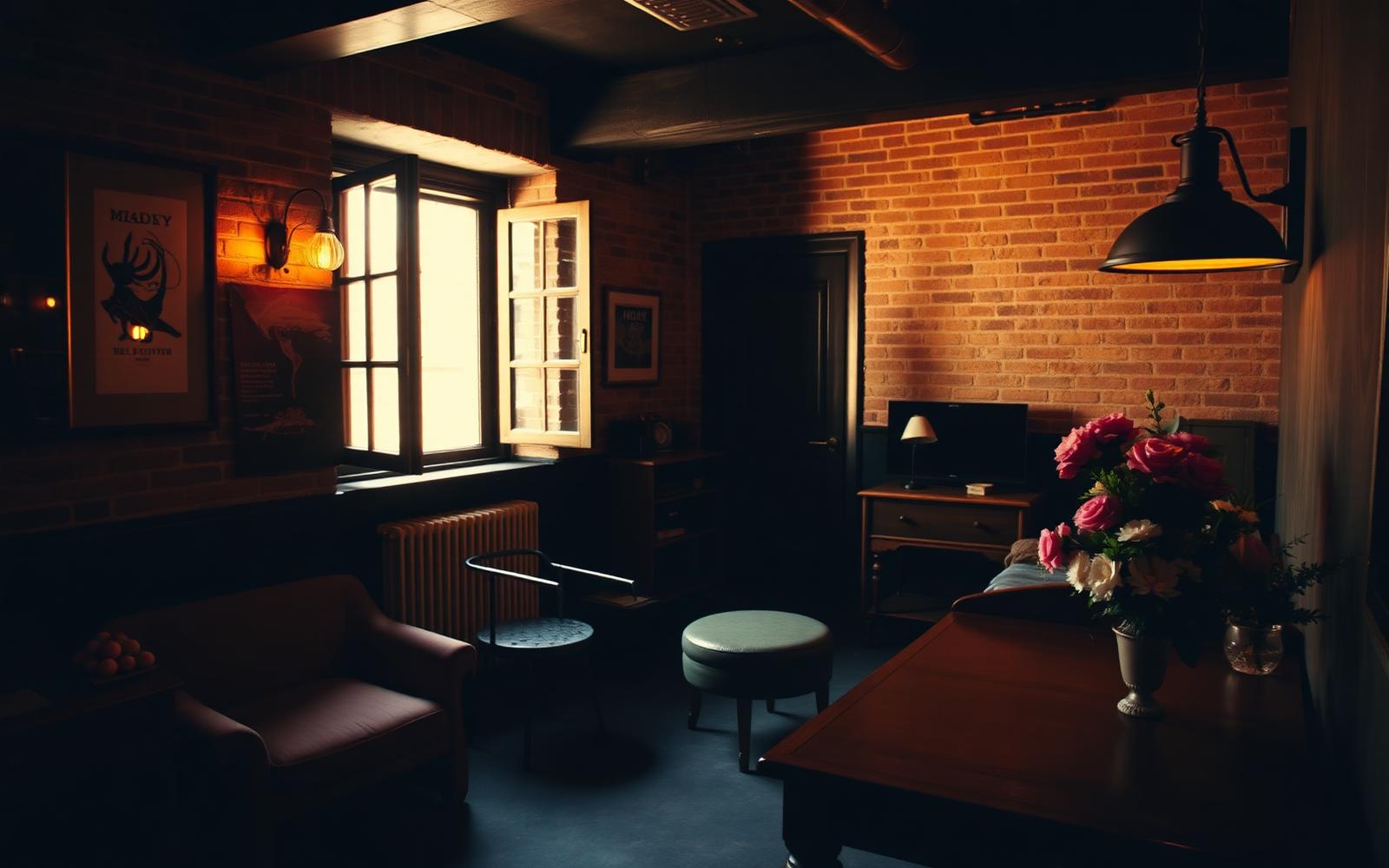
- A single coherent design language across rooms, lobby, and breakfast space. Boutique hotels look like one person made the decisions. Bad hotels look like a procurement committee did.
- Real art on the walls. Not generic prints. Local artists, vintage posters, things you'd actually want.
- One small bar or café, run as a real space — not a back-of-house breakfast room. If the lobby has good lighting and a record player, that's not an accident.
- Books. Stacks of them, in the rooms or the lobby. Cheap to do, telling when missing.
If a property's photo grid feels like a Pinterest board you'd save from, you're probably in the right place.
Step 3: Cross-check on a non-booking source
Once you have 3–4 candidates, search the hotel name outside the booking ecosystem. You're looking for:
- The hotel's own website (does it exist? does it have a tone of voice?).
- Press in design or travel magazines.
- The owner's name. Real boutique hotels usually have one or two people whose names come up — chefs, designers, hoteliers with a story.
- A real "about" page.
If the only results are aggregator listings and chain press releases, it's probably not what you think it is. If the search turns up a profile of the owner and a long interview about why they bought the building, you're warm.
Step 4: Pick the dates the hotel wants
Boutique hotels run on much tighter margins than chains and they reward flexibility. A simple move: check rates for your week, then check the same dates ±2 days. The price gap on a small property between a Tuesday arrival and a Friday arrival can be 30–40%.
Better still, if you're hopping anyway, letting the flight search do the heavy lifting on flexible dates often lines up a cheaper flight and a cheaper hotel at the same time. Many people optimize one and pay for the other.
Step 5: Book direct when it's close
A common debate: book on the aggregator or direct on the hotel's site?
Quick rule: if the price is within 5%, book direct.
- The hotel keeps more margin, which they'll quietly remember.
- You get more flexibility on room assignment.
- A polite note in the booking ("celebrating an anniversary," "first time in the city," "happy to take any quiet room with a view") gets read by a human, not a system.
If the aggregator is meaningfully cheaper or you need free cancellation that direct won't offer, book through the aggregator. Then also email the hotel a friendly message a few days before arrival. You'll be a name, not a confirmation number, at check-in.
Step 6: Use the right insurance for non-chain stays
One underrated reason people stick with chains is the implicit safety net — if something goes wrong, there's a corporate desk to escalate to. Boutique hotels can be more fragile in that sense; if there's a fire upstairs or a sudden closure, you're sometimes on your own to rebook.
A travel insurance policy that covers accommodation disruption takes most of that risk off the table. It's not a glamorous thing to think about while you're picking out a room with a clawfoot tub, but it's the reason you can keep picking the more interesting places.
A short list of recurring red flags
A boutique hotel is probably not a real boutique hotel if:
- The photos show the same lobby on three other properties (chain template).
- The description leans hard on the words "lifestyle," "experiential," and "curated" without telling you who curated.
- Reviews repeat the same generic compliments ("clean and modern") and never mention staff by name.
- The neighborhood is a purpose-built tourist zone with no street life after 10pm.
- There's no restaurant or café — just a "concept space."
None of these are dealbreakers on their own. Two or three together, and you're booking a chain in disguise.
What you're really booking
The reason any of this matters is that a great boutique hotel becomes part of the trip, not just the place you sleep. You remember the breakfast room. You remember the small bar where the manager poured you a digestif because you said something nice about the music. You remember the corner suite you got because you booked direct and were honest about the occasion.
Chain stays are interchangeable on purpose. Boutique stays are the opposite — and once you know how to find them, you stop going back to anything else.
Keep exploring
Pair this with the boutique hotels guide, hotel booking tips, and long-term hotel stays. If you're thinking about luxury specifically, best luxury hotel destinations goes deeper.
Tools & links from this story
Some links are affiliate. They cost you nothing and keep this site running.
- Kiwi.com — flexible dates often unlock better hotels →Moving by ±2 days widens the boutique inventory.
- EKTA — coverage for non-chain stays →Useful when you book outside the big brand networks.
- Airalo — eSIM for last-minute hotel comms →Handy when you're WhatsApp-ing a small property directly.
Written by
Meric Erdinc · Founder, 1-Minute Nomad
Meric has spent the last six years moving around Southeast Asia and beyond, with a laptop, a rotating set of Wi-Fi passwords, and an opinion on every co-working space he’s ever stepped into. Rooted in Istanbul, currently working out of Bangkok — though the next flight is usually already booked. He started 1-Minute Nomad for people like him: nomads who don’t have time to read forty Reddit threads to figure out a city. Every guide here comes from a place he’s actually lived, worked or months of on-the-ground research.
Subscribe
Get the next dispatch
One email when a new city guide drops. No spam, no daily noise.